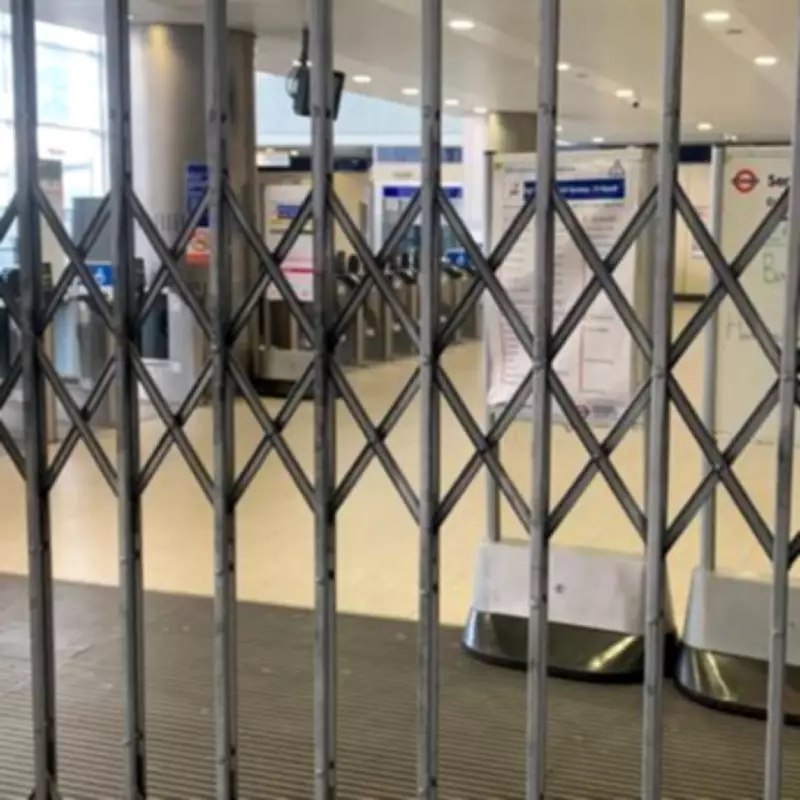
London Underground Paralyzed by 24-Hour Driver Strike
London is facing severe travel disruption today as a 24-hour strike by Underground drivers brings the city's tube network to a near standstill. The Rail, Maritime and Transport union (RMT) confirmed its members walked out at midday on Tuesday, April 21, with another strike planned for Thursday, April 23, creating widespread chaos for commuters and visitors alike.
Complete Network Shutdown and Specific Line Closures
The entire London Underground network is experiencing significant disruption, but several lines have been completely suspended. The Piccadilly line has no service whatsoever due to the high concentration of RMT members who drive that route. Similarly, the Circle line is completely out of operation.
Additional major closures include the Metropolitan line between Baker Street and Aldgate stations, and the Central line between White City and Liverpool Street. While other tube lines are running reduced services, passengers should expect extremely crowded conditions and significant delays throughout the network.

Alternative Transport Options Under Pressure
The Elizabeth line, Docklands Light Railway (DLR), and London Overground are operating normal services but are experiencing exceptionally high passenger volumes as commuters seek alternative routes. London's extensive bus network continues to operate normally, though seven specific routes will face separate strike action beginning Friday, April 24.
Root Causes of the Industrial Action
The strike centers on proposed changes to driver working schedules that would compress the current 36-hour work week spread across five days into 35 hours over four days. Transport for London (TfL) argues this would provide operational efficiency while giving drivers an extra day off each week.
However, RMT General Secretary Eddie Dempsey has strongly criticized TfL's approach, stating: "We have approached negotiations with TfL in good faith throughout this entire process, but despite our best efforts, TfL seem unwilling to make any concessions in a bid to avert strike action."
Union Concerns About Safety and Working Conditions
The RMT has raised serious safety concerns about the proposed changes, arguing that longer shifts could increase driver fatigue and potentially compromise passenger safety. The union is pushing for a 32-hour work week across four days instead of the proposed 35 hours.
Union leaders express additional worries that the changes could allow management to extend maximum driving times, alter shift patterns with minimal notice, and reduce flexibility for drivers transferring between depots.
Detailed Service Impact and Timeline
Normal tube services were expected until mid-morning, but significant disruption began affecting all lines by late morning as services reduced ahead of the midday strike commencement. The disruption pattern is expected to continue throughout the strike period with:
- Tuesday, April 21: Significant disruption from midday onward
- Wednesday, April 22: Continued disruption throughout morning and afternoon
- Thursday, April 23: Another 24-hour strike beginning at midday
- Friday, April 24: Morning disruption expected before normal service resumes
Passengers are advised to check TfL's journey planning tools regularly and consider alternative travel arrangements during this period of unprecedented transport disruption in the capital.