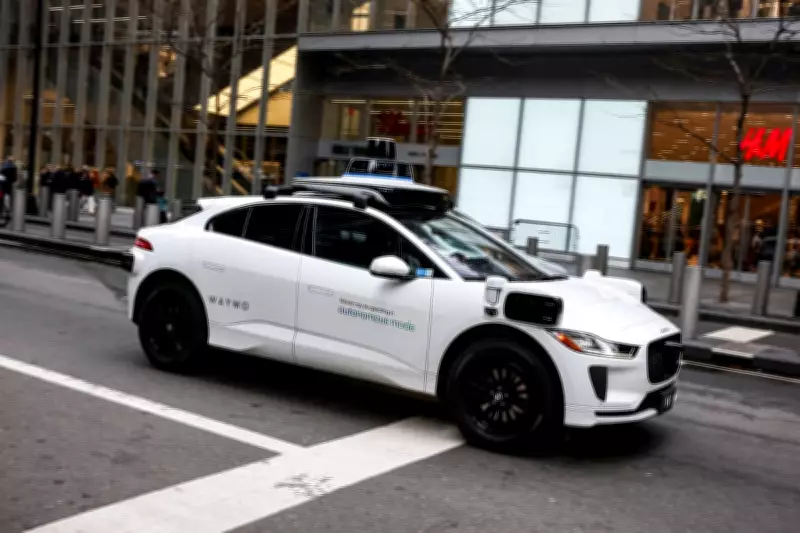
In a significant move to advance urban mobility, New York Governor Kathy Hochul has unveiled a legislative proposal to establish a robotaxi pilot program in New York City. This initiative aims to test and integrate autonomous vehicles into the city's complex transportation network, marking a pivotal step toward modernizing urban transit systems.
Details of the Robotaxi Proposal
The proposal, introduced as part of broader transportation reforms, seeks to create a framework for deploying self-driving taxis in designated areas of New York City. Governor Hochul emphasized that this pilot program is designed to assess the safety, efficiency, and feasibility of autonomous vehicles in dense urban settings. The program would involve partnerships with technology companies and transportation firms to develop and operate the robotaxis.
Objectives and Expected Outcomes
Key objectives of the robotaxi pilot include reducing traffic congestion, lowering carbon emissions, and enhancing accessibility for residents. By leveraging autonomous technology, the program aims to provide a more reliable and cost-effective alternative to traditional taxis and ride-sharing services. Governor Hochul highlighted that this initiative could pave the way for broader adoption of autonomous vehicles across the state, potentially transforming how people commute in urban areas.

Safety and Regulatory Considerations
Safety remains a paramount concern in the proposal, with strict regulations planned to govern the operation of robotaxis. The pilot program will require comprehensive testing and certification processes to ensure that autonomous vehicles meet rigorous safety standards before being deployed on public roads. Additionally, the proposal includes provisions for data collection and analysis to monitor performance and address any issues that arise during the pilot phase.
Potential Impacts on New York City
If approved, the robotaxi pilot program could have far-reaching effects on New York City's transportation landscape. Proponents argue that autonomous vehicles could improve traffic flow by optimizing routes and reducing human error, while critics raise concerns about job displacement for taxi drivers and potential cybersecurity risks. Governor Hochul's administration is working to address these challenges through stakeholder engagement and ongoing policy development.
The proposal is part of a larger effort to position New York as a leader in transportation innovation, aligning with global trends toward smart cities and sustainable mobility. As the legislative process unfolds, further details on implementation timelines and specific pilot locations are expected to emerge, shaping the future of autonomous transportation in one of the world's most iconic cities.