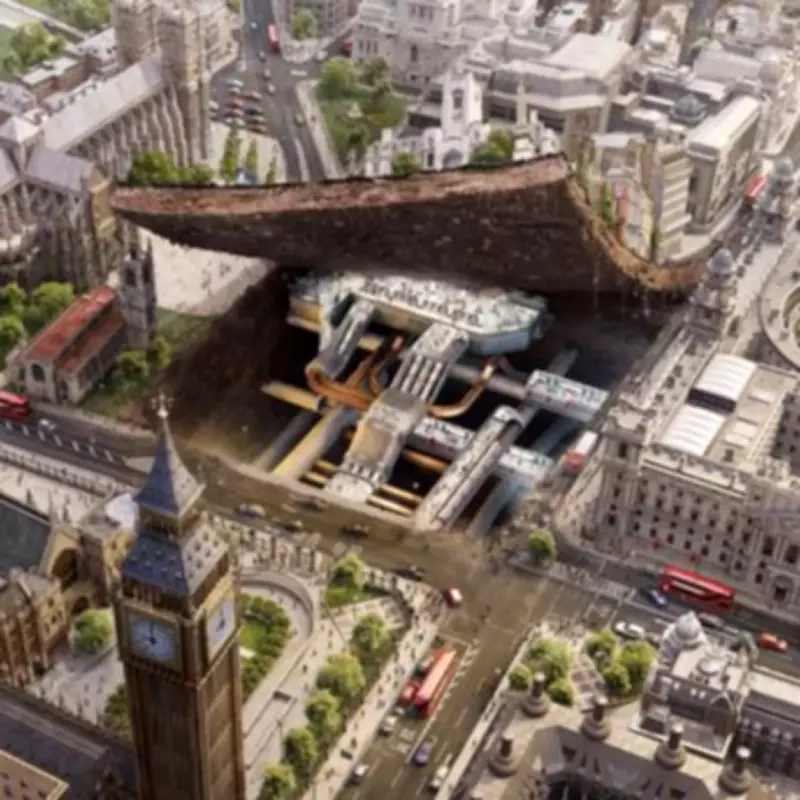
Transport for London (TfL) has released detailed 3D drawings of every London Underground station's public areas, offering a rare glimpse into the hidden infrastructure beneath the city's streets. The illustrations, obtained through a freedom of information request in 2015, depict train tunnels, foot tunnels, staircases, and more, revealing the complex geometry of the network.
Bank / Monument
Bank and Monument stations are interconnected, forming the largest complex in the system. They serve the Central, District, DLR, and Northern lines. The Central Line is located on the Bank side, the District Line on the Monument side, with the other two lines filling the space between.
King's Cross St Pancras
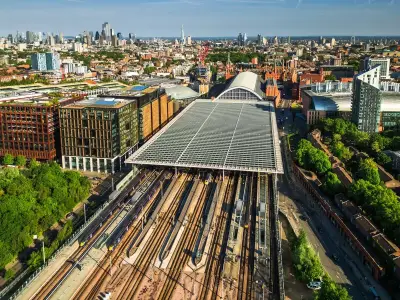
King's Cross is one of London's busiest interchanges, serving six Tube lines: Circle, Hammersmith and City, Metropolitan, Piccadilly, Northern, and Victoria. The 3D map shows four connecting underground tunnels.

Liverpool Street
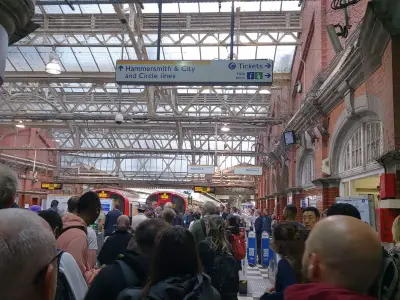
Liverpool Street is the busiest station in the UK since the Elizabeth line opened. It offers Overground, National Rail, and Tube services on the Central, Circle, Hammersmith and City, and Metropolitan lines. Only the Central line operates deep underground, as shown in the diagram.
Victoria
Victoria Station has a relatively straightforward layout but features two perpendicular lines. The deeper Victoria line passes beneath the District and Circle lines.
Waterloo
Waterloo is one of the most intricate stations, requiring three separate axonometric illustrations to explain its arrangement. The Jubilee, Waterloo and City, Northern, and Bakerloo lines all pass through.
Westminster
Westminster Station features deep-level Jubilee line tunnels and surface-level District and Circle line platforms. The illustration adopts a lateral viewpoint, different from others.
These maps provide a fascinating look at the hidden world beneath London. Explore the full set of TfL's drawings to see every station's unique layout.