Stunning archive photographs have emerged, casting London's Bank Underground station in a very different light and highlighting just how much the busy commuter hub has changed over the past three decades.
A Glimpse into a Grimier Past
The recently unearthed images, dating back to the early 1990s, depict a station that appears considerably more worn and tired than its modern counterpart. Photos from February 1992 show walls where tiles and plaster were in clear need of attention, presenting a stark contrast to the refurbished platforms used by millions today.
One particular snapshot captures passengers inside a train carriage at Bank station, showcasing the classic forward and backward-facing seating arrangement that remains a feature on lines like the Bakerloo. The image serves as a potent reminder of the Tube's evolving design.

The Sleeping Commuter and a Deserted Platform
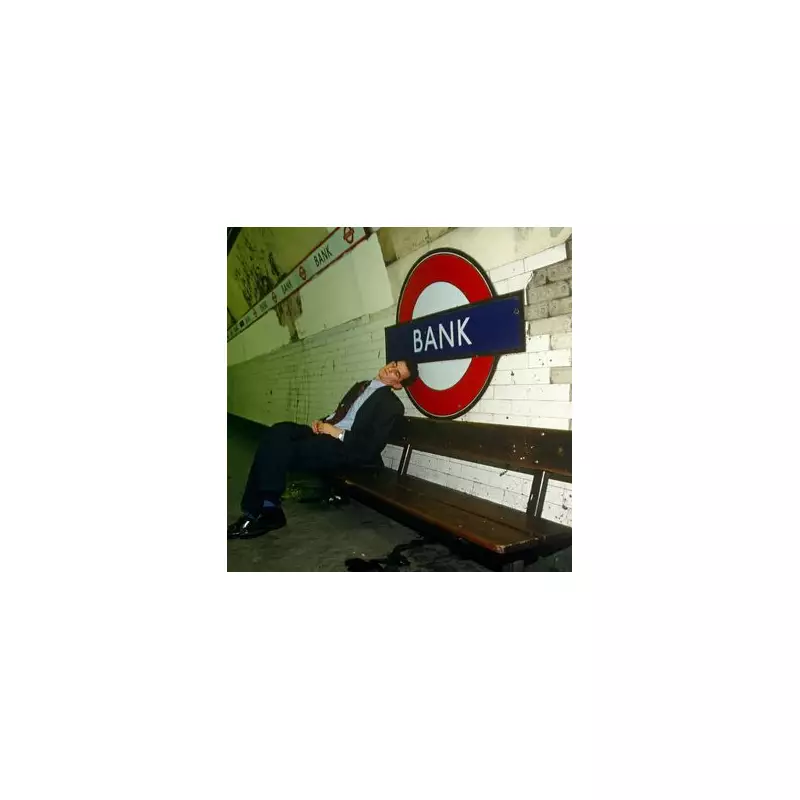
Another poignant photo from the era shows a man in a suit who seems to have fallen asleep on a bench on the platform. The station appears otherwise empty, leading to speculation that he may have missed his last train home after an evening in London's Square Mile financial district.
Analysis of the images suggests they were taken on a Central line platform, identifiable by the distinctive red signage. A glance at the carriage also reveals a period Central line map, anchoring the scene firmly in the early '90s.
A 40% Capacity Boost and Modern Trains
The archival look back comes as Bank station nears the completion of a massive, multi-year upgrade project. Transport for London (TfL) states that the works are set to increase the station's capacity by a significant 40 per cent, a vital improvement for a station that, along with nearby Monument, handles over 120 million passengers in a typical year.
This transformation has been long in the making. Notably, the year after the 1992 carriage photo was taken, the Central line welcomed a new generation of trains: the 1992 Tube Stock, recognised by their large, curved, and slightly tinted windows.
The station itself, a critical interchange for the Northern, Central, DLR, and Waterloo & City lines, has been extensively revamped to manage the ever-growing flow of City workers and visitors. While rush hour crowds remain a constant, the environment they navigate today is a world away from the dilapidated look captured on film thirty years ago.