The Pothole Epidemic: Britain's Roads in Crisis
Across the United Kingdom, a familiar seasonal menace has returned with renewed vigor. As winter tightens its grip with freezing temperatures, thaws, and relentless rainfall, the nation's road network is fracturing under the pressure. What was once an occasional inconvenience has transformed into a widespread crisis, with potholes multiplying in both number and severity.
A Landscape of Damage and Danger
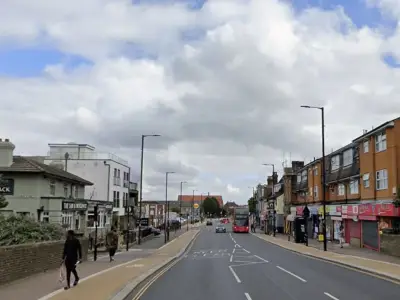
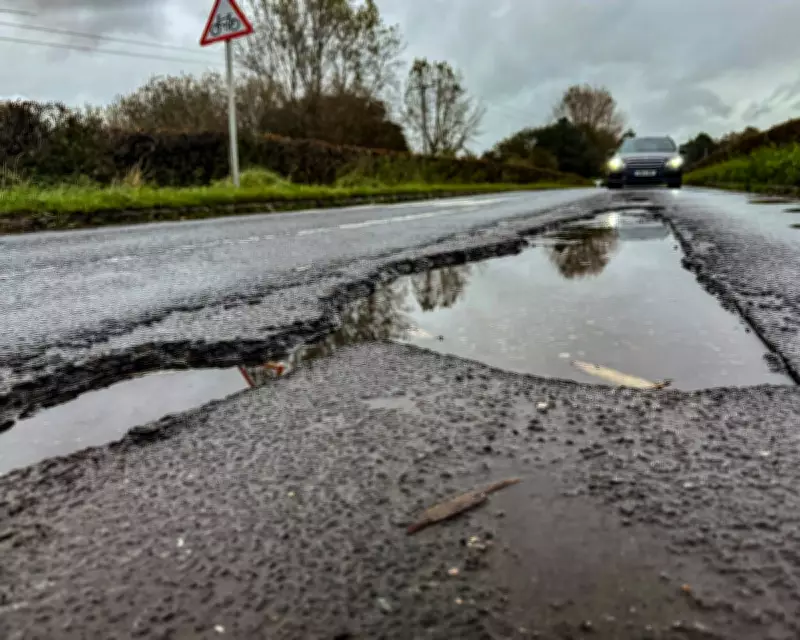
From rural lanes to urban thoroughfares, the evidence of deterioration is unmistakable. Roads that should provide smooth passage now resemble obstacle courses, forcing drivers into dangerous maneuvers as they attempt to navigate around gaping craters. The situation has become so dire that normal driving has been replaced by what feels like a game of dodgems, with vehicles constantly swerving and bobbing to avoid damage.
The consequences of this infrastructure failure are both immediate and costly. Recovery vehicles are experiencing unprecedented demand as stranded motorists require assistance. Tire shops report long queues of customers needing replacements after encounters with particularly vicious potholes. For cyclists, the danger is even more acute, with a single impact potentially leading to serious injury.
Weather and Resource Constraints Compound the Problem
The current peak pothole season results from a perfect storm of environmental and economic factors. The cycle of freezing and thawing, combined with persistent wet conditions, causes road surfaces to crack and crumble. Once small imperfections form, water infiltration and traffic pressure rapidly expand them into substantial hazards.
Compounding the natural deterioration is a chronic shortage of repair resources. Local councils and transportation agencies face budget constraints and staffing limitations that prevent both timely repairs and preventative maintenance. This creates a vicious cycle where temporary fixes fail to address underlying structural issues, leading to recurring problems.
Beyond Inconvenience: A Symbol of Broader Issues
The pothole crisis represents more than just damaged vehicles and bumpy rides. Many observers see these road defects as physical manifestations of broader policy failures and infrastructure neglect. The inability to maintain basic transportation networks suggests deeper systemic issues in resource allocation and maintenance planning.
Frustrated motorists find themselves caught between anger and resignation. After facing repeated repair bills for tire replacements, wheel alignments, and suspension damage, many simply accept the situation as unavoidable. The lack of clear accountability further complicates matters, with responsibility often diffused among multiple agencies and no straightforward mechanism for compensation.
Safety Concerns and Economic Impact
The safety implications extend beyond individual vehicle damage. The constant need to swerve around hazards creates unpredictable traffic patterns that increase collision risks. Sudden impacts with deep potholes can cause loss of vehicle control, particularly dangerous at higher speeds or in poor weather conditions.
Economically, the costs are substantial and widespread. Individual motorists bear the immediate financial burden of repairs, while businesses face increased transportation expenses and potential delivery delays. The cumulative effect on national productivity and quality of life represents a significant but often unquantified economic drain.
As the pothole season continues, the fundamental question remains whether current approaches to road maintenance can adequately address the scale of the problem. Without increased investment, improved repair techniques, and more comprehensive maintenance strategies, the annual cycle of deterioration seems likely to continue, leaving Britain's roads increasingly hazardous and expensive to navigate.