Tottenham Residents Flee Decades of Gridlock and Speeding Violence
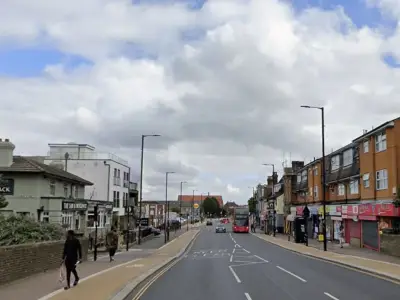
Residents in a tight-knit North London community are contemplating leaving their homes due to unbearable traffic conditions that have persisted for over fifty years. The narrow Victorian streets between Tottenham High Road and Watermead Way have become notorious for gridlock so severe it sparks violent confrontations among drivers, with incidents involving knives and crowbars becoming alarmingly frequent.
A Community Under Siege
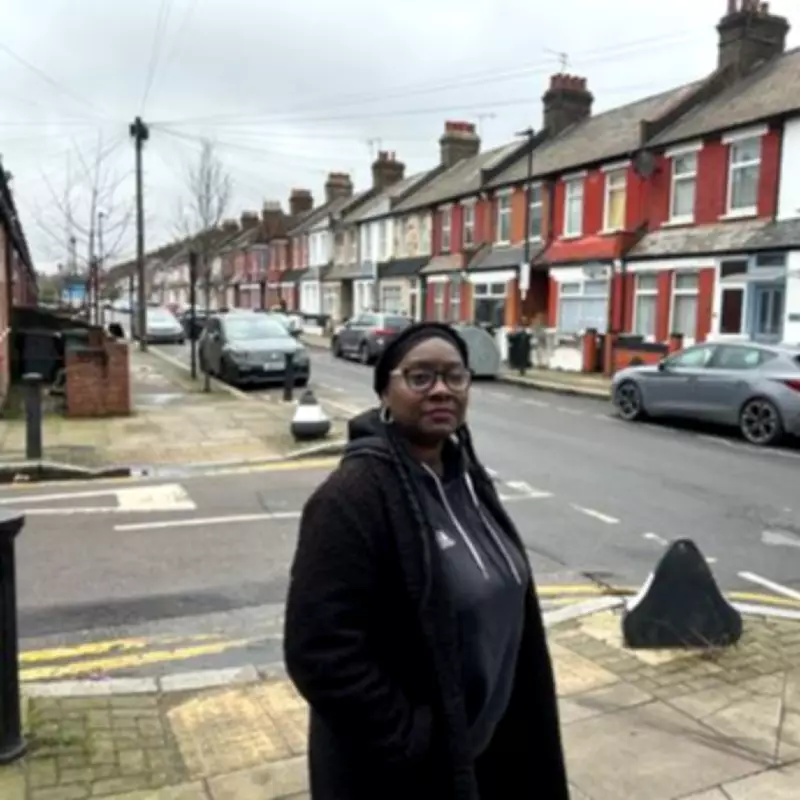
Sharon Green, 57, who has lived on Thackeray Avenue for thirty-five years and raised six children there, expressed her desperation. "It’s got too much, I just want a peaceful life now," she told reporters. "Emotionally, it's not nice because you're down all the time. There's not a day that goes by when there isn't traffic, it's unbearable." Ms. Green no longer allows her children to play in the front garden due to drivers mounting pavements without regard for safety.
During quieter periods, these streets transform into dangerous rat-runs as motorists speed through to avoid congestion on the main roads. Long-term residents have been advocating for traffic control measures since the 1970s but feel consistently ignored by Haringey Council, accusing them of prioritizing more affluent areas like Muswell Hill and Crouch End.
Safety Concerns Escalate
The situation reached a critical point last week when a car smashed through the wall of Vincent O'Connor's home on Hanbury Road. "My nine-year-old daughter says she doesn't want to go outside anymore," said Mr. O'Connor, 47, who is now considering building a concrete barrier to protect his garden. "This is crazy. I should just be able to put up a fence or a wall, but I have to think about building it in concrete."
He highlighted the dual nature of the problem: "It’s either very congested, or if it isn’t there’s insane speeding." This environment has led families with young children to move away after just a few years, citing unsafe conditions and excessive pollution.
Health and Environmental Impacts
Osman Dervis, 67, a resident of Rosebery Avenue for forty-two years, described how traffic issues affect his disabled son with Down syndrome. "Due to the congestion I have to wash my window sills because of the thick black dust," he explained. "Imagine what we’re breathing, because of this I can't open my windows in the summer."
Helena Shine, 43, who lives on the same street with her husband and three-year-old daughter, believes the issue must be addressed through a public health lens. "It’s the pollution, traffic and anti-social behavior, you can’t just address one, it needs to be done collectively," she emphasized.
Historical Neglect and Future Fears
Local newspaper articles from the 1970s reveal that residents have been protesting lorry traffic using the area as a cut-through for decades. Temporary barriers installed on Lansdowne Road provided some relief until vandals damaged them in the 1990s. Since then, population growth has exacerbated the problem, and residents fear the upcoming 13,000-home development at Meridian Water will make conditions even worse.
While low-traffic neighborhoods in other parts of Haringey have reduced traffic volume by 58% and crashes by 34% since 2022, northeast Tottenham has seen no such measures. Residents are not necessarily calling for a low-traffic neighborhood but believe they should be prioritized for future traffic calming initiatives.
Council Response and Community Frustration
Ward councillors recently met with council officers and cabinet members to discuss potential traffic control measures, indicating a willingness to consult residents. However, Haringey Council has not provided an official response to the residents' claims, fueling frustration among the community.
Vincent O'Connor summarized the sentiment: "I love this area, it’s the best part of London I’ve lived in in terms of my neighbours and the sense of community. But without this being solved it’s going to stay in this locked position of not having a high quality life." Many fear it will take a tragedy before their decades-long pleas are finally heard.