Motorists across the United Kingdom are receiving urgent guidance to reconsider their travel plans and eliminate non-essential car journeys as fuel prices experience a sharp upward trajectory. This dramatic increase is directly linked to a significant surge in global oil costs, which have surpassed the critical threshold of 100 dollars per barrel for the first time since 2022.
Immediate Impact on UK Fuel Costs
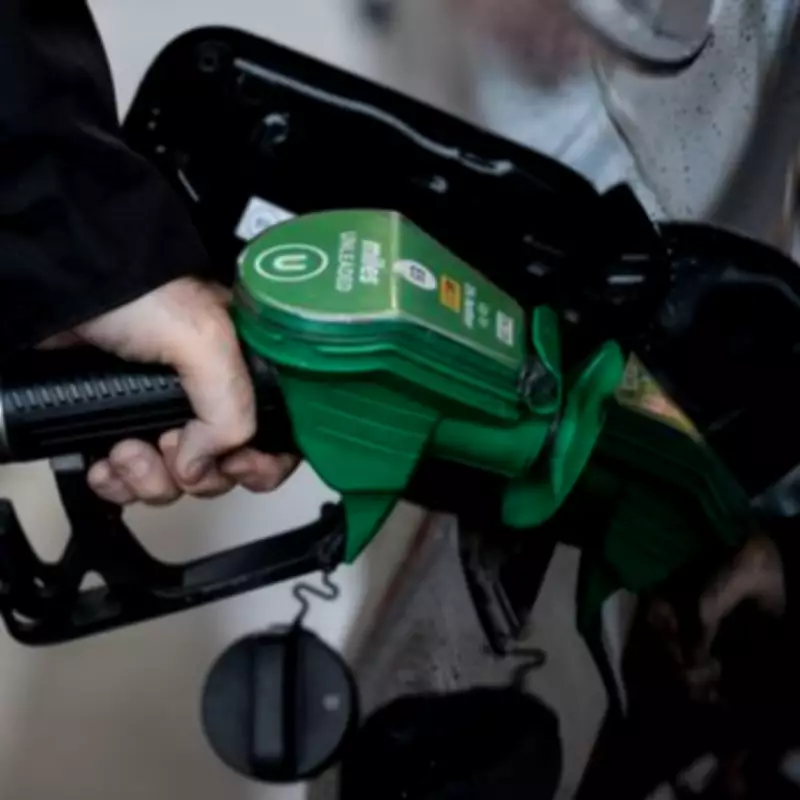
The conflict in the Middle East, which began on February 28, 2026, has triggered immediate repercussions at petrol stations nationwide. According to the latest data, the average price for a litre of petrol has escalated by 5 pence, reaching 137.5 pence per litre. Meanwhile, diesel prices have witnessed an even steeper climb, increasing by 9 pence to stand at 151.0 pence per litre.
Expert Advice for Drivers
Edmund King, the president of the AA, has issued clear recommendations to help motorists navigate this challenging period. "Our suggestion is that drivers should not change their refuelling habits but can consider cutting out some non-essential journeys and changing their driving style to conserve fuel," he stated. King emphasized that while pump prices will rise gradually due to pre-purchased fuel stocks, the long-term outlook remains concerning.
Further analysis from the Energy and Climate Intelligence Unit provides a sobering forecast. Their research into the historical correlation between oil and fuel prices indicates that oil trading at 100 dollars a barrel typically results in petrol prices around 150p per litre. Should oil prices escalate to 120 dollars per barrel, petrol could potentially reach approximately 170p per litre.
Industry Warnings and Projections
Simon Williams, head of policy at the RAC, echoed these concerns, describing the situation for UK drivers as "increasingly bleak." He projected that unleaded petrol is "almost certainly going to reach an average of 140p in the next week or so," while diesel appears "highly likely to climb to at least 160p a litre." Williams advised motorists to continue filling up as usual but to actively shop around for the best prices available.
The underlying cause of this price inflation is the geopolitical instability in the Middle East, which has directly impacted the Brent Crude oil market. King highlighted the broader implications, noting, "Any time Brent Crude passes 100 dollars per barrel raises concern across the markets, for the haulage industry and drivers." He added a stark warning: "The longer this conflict goes on, the more effect it will have on the cost of oil."
In response to these developments, drivers are being encouraged to adopt fuel-efficient practices immediately. Key recommendations include:
- Eliminating all non-essential car journeys where possible.
- Adapting driving styles to improve fuel economy, such as smoother acceleration and maintaining steady speeds.
- Comparing fuel prices at different forecourts before refuelling.
- Planning routes more efficiently to reduce overall mileage.
As the conflict persists, the financial pressure on households and businesses reliant on road transport is expected to intensify. The call to reduce non-essential travel represents a proactive measure to mitigate the impact of rising fuel costs, which show no immediate signs of abating.