High Court Quashes Croydon LTNs After Finding Financial Motive Unlawful
Six permanent Low Traffic Neighbourhood schemes in Croydon have been declared unlawful by the High Court, with a judge ruling they were improperly introduced to help address the borough's severe financial difficulties rather than for legitimate traffic management purposes.
Schemes Must Be Removed Following Landmark Ruling
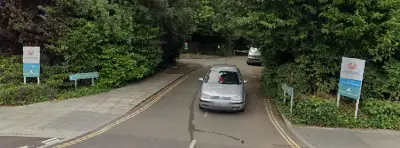
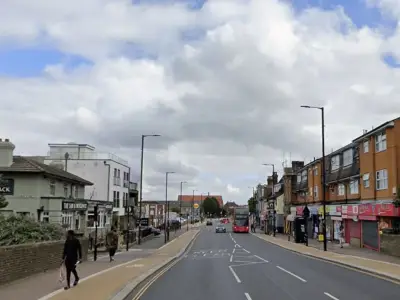
The controversial LTNs at Albert Road, Dalmally Road, Elmers Road, Holmesdale Road, Parsons Mead and Sutherland Road will now have to be dismantled following Wednesday's decisive ruling by Mr Justice Pepperall. The judge determined that Croydon Council had abused its statutory powers under the Road Traffic Regulation Act 1984 by implementing the schemes primarily to generate revenue.
"The legislation is not a revenue-raising measure," emphasized Justice Pepperall, citing the fundamental legal principle that citizens cannot be taxed without clear parliamentary authority. The ruling represents a significant victory for local resident Karen Lawrence and the pressure group Open Our Roads, who spearheaded the legal challenge that began in May 2024.
Mayor's Statements Prove Influential in Court Decision
The court's decision was heavily influenced by public statements made by Croydon's Executive Mayor, Jason Perry. Despite having campaigned against LTNs while in opposition, Mayor Perry admitted after taking office that he could not remove the schemes because the previous administration had built more than £20 million of future camera enforcement income into the council's budget.
Justice Pepperall noted Mayor Perry's lack of public enthusiasm for the schemes' safety benefits and concluded that his position was constrained by budgetary pressures. The judge referenced a Telegraph article in which Mayor Perry stated the council's budget was "predicated" on the schemes, meaning he was "not in a position to reverse it."
Financial Pressures Drove Council's Approach
The judgement examined Croydon Council's broader financial position in relation to the LTNs, referencing the council's Section 114 bankruptcy notices issued in 2020 over a projected £67 million shortfall. In an effort to balance its budgets, the council had projected a substantial £10.7 million surplus specifically from the six LTN schemes between 2023 and 2027.
The court also noted that in 2021, a council finance officer had warned that failing to deliver the traffic schemes could undermine Croydon's ability to maintain essential services and secure future financial support from central government. This financial context proved crucial to the judge's determination that revenue generation was the dominant purpose behind making the schemes permanent.
Mixed Results on Safety and Environmental Benefits
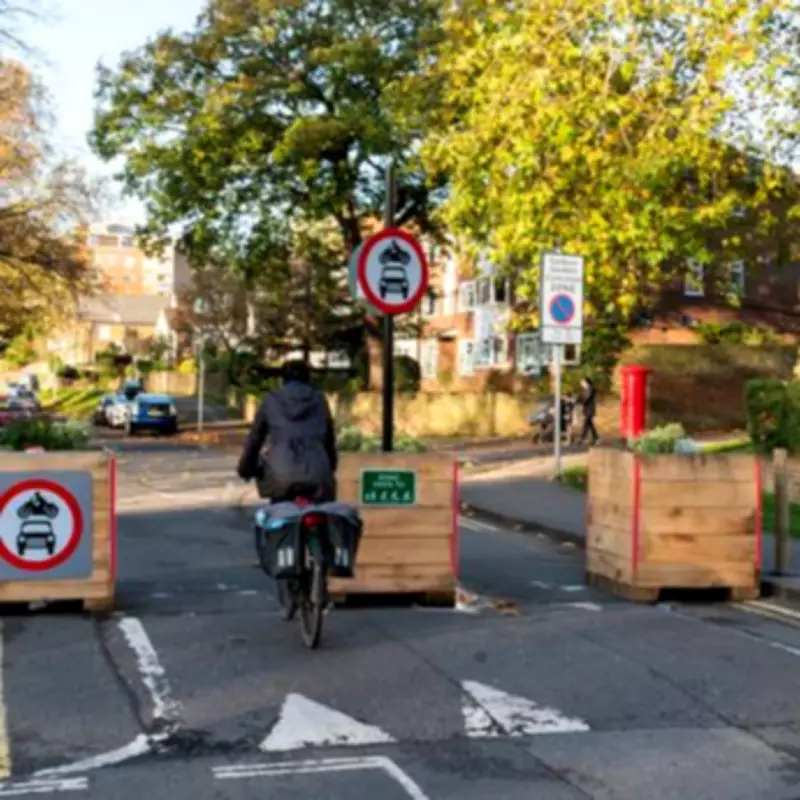
Elsewhere in the judgement, Justice Pepperall focused on a council officer's report that showed ambiguous results regarding traffic collisions and only slight to moderate environmental benefits from the LTN implementations. Low Traffic Neighbourhoods are typically residential areas where through traffic is restricted by measures such as planters and cameras, ostensibly to improve road safety and air quality.
The court ultimately concluded that the council's primary motivation was to safeguard enforcement revenue rather than to achieve legitimate traffic management objectives. This finding proved fatal to the schemes' legal standing under the relevant legislation.
Procedural Issues Complicate Legal Proceedings
The ruling also addressed significant procedural issues that allowed the case to proceed despite initial complications. Ms Lawrence had served the legal paperwork after the statutory deadline, but the council's legal team failed to properly follow the required procedural code for disputing the court's jurisdiction under Part 11 of the Civil Procedure Rules.
This flawed application led Justice Pepperall to rule that the council had effectively accepted the court's jurisdiction, prompting the judge to describe the case as "something of a procedural dog's breakfast." The permanent traffic orders had been made on March 25, 2024, triggering the legal challenge that has now resulted in their removal.
The decision represents a landmark ruling on the proper use of traffic management powers by local authorities and establishes important precedents regarding the relationship between municipal finances and regulatory implementation.