London's Iconic Albert Bridge Faces Extended Vehicle Closure Until 2027
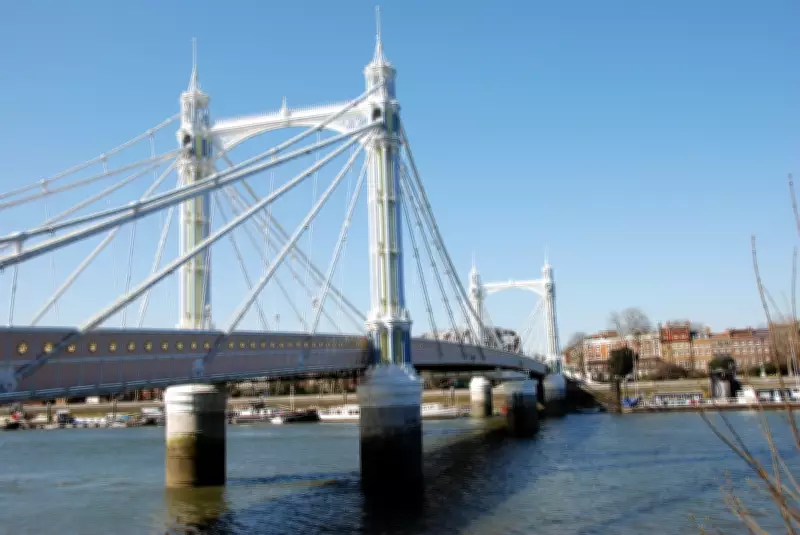
Drivers in London are facing significant disruptions as one of the city's most picturesque bridges will remain closed to all vehicles until 2027. Albert Bridge, the distinctive pink and white structure that spans the River Thames between Battersea and Chelsea, has been shut for repairs since early February 2026, and now authorities have announced the closure will extend for at least another year.
Structural Concerns Prompt Major Safety Measures
Recent investigations have revealed that Albert Bridge, which first opened to traffic in 1873, is in worse condition than initially anticipated. The Grade II-listed structure, one of only two London bridges that have never been replaced (along with Tower Bridge), requires extensive attention to ensure its long-term preservation.
Kensington and Chelsea Council has determined that the bridge needs comprehensive repairs after discovering critical structural issues. The investigation identified a cracked cast iron component that affects a key structural joint between the catenary, cable-stay, and edge-girder systems. This joint has become unstable and exhibits noticeable movement in response to temperature fluctuations, wind conditions, and traffic loads.
The council has confirmed that the bridge is currently unsafe for vehicular traffic, though it remains accessible to pedestrians and cyclists. Sensors have been installed to monitor the bridge's movements and ensure its condition doesn't deteriorate further during the repair period.
£8.5 Million Repair Project Underway
The council has initiated an ambitious £8.5 million repair program expected to take approximately twelve months to complete. The comprehensive project will address the cracked structural component and unseize the axle in the structural joint that caused the initial damage.
Beyond essential repairs, the closure presents an opportunity to implement several improvements to the historic structure. The project includes preventative measures to prevent future component seizure, installation of a new road surface, refurbishment of toll booths, and accelerated replacement of lighting systems to enhance energy efficiency.
Official Statement on the Bridge Closure
Councillor Johnny Thalassites, lead member for environment and planning at Kensington and Chelsea Council, acknowledged the inconvenience caused by the extended closure. 'We know the closure of Albert Bridge is frustrating and inconvenient and I'm very grateful for everyone's patience,' he stated.
'It's not just important for our residents; it's a national landmark and a vital river crossing for London. We are committed to reopening the Bridge to traffic and protecting it for generations to come.'
Thalassites emphasized that the council is taking a comprehensive approach: 'After the initial investigations, we've decided to not just fix what is broken, but to also put in extra measures to try stop this happening again in the future.'
The councillor noted the unique challenges presented by the historic structure: 'The bridge is unique, which makes the repair complex and costly. We're taking the prudent step of accounting for the pressure of a permanent repair in our capital programme, whilst we actively explore external funding options with the Department for Transport and Transport for London.'
Alternative Routes and Transportation Options
Motorists affected by the closure are being directed to use Chelsea Bridge and Battersea Bridge as alternative river crossings. The extended closure period means drivers should plan for long-term adjustments to their routes through this section of London.
Pedestrians and cyclists can continue to use Albert Bridge during the repair work, providing continued access across the Thames for non-vehicular traffic. The bridge's nickname, 'the Trembling Lady,' has taken on new significance given the structural movements that prompted the current safety measures.
The extended closure represents a significant investment in preserving one of London's most distinctive historical structures while ensuring public safety remains paramount. The comprehensive repair approach aims to secure Albert Bridge's future as both a functional river crossing and an architectural treasure for decades to come.