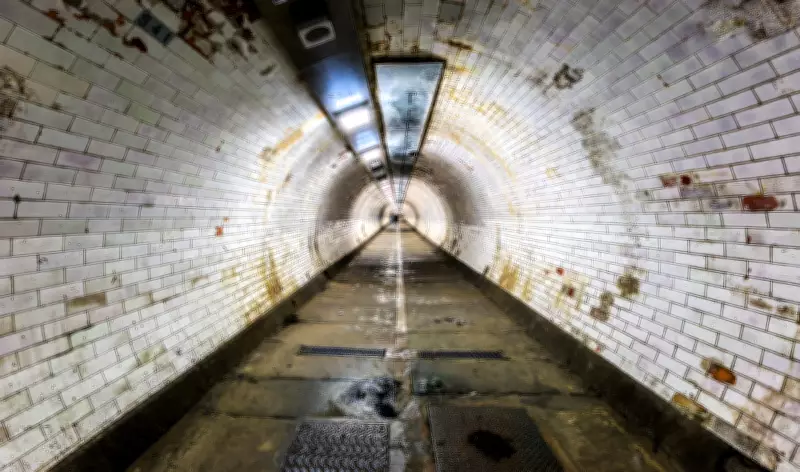
London's Historic Greenwich Foot Tunnel to Undergo Major Restoration
The Greenwich foot tunnel, a 124-year-old pedestrian passageway running beneath the River Thames between Greenwich and the Isle of Dogs, is finally set to receive a comprehensive restoration. This historic infrastructure, which has suffered from persistent maintenance problems and deteriorating conditions, will undergo a significant transformation to improve its functionality and heritage aspects.
Current State and Restoration Plans
Currently, the tunnel presents numerous challenges for daily commuters and visitors alike. The lighting system is failing, and the lifts are frequently out of order, forcing many to use the stairs. This has led to comparisons with eerie, abandoned spaces rather than a functional public thoroughfare. Additionally, local folklore suggests the tunnel might be haunted, adding to its atmospheric reputation.
Fortunately, the Royal Borough of Greenwich Council and Tower Hamlets Council have reached an agreement to implement a full regeneration of the tunnel. The restoration will not be merely cosmetic; it will include substantial improvements such as enhanced lighting and the installation of new dual-shaft lifts. These upgrades aim to eliminate the constant maintenance issues that have plagued the tunnel for years, providing a more reliable and pleasant experience for users.

Historical Significance and Modern Usage
Built in 1902, the Greenwich foot tunnel was originally designed to allow a workforce of up to 15 people to access the north London docks regardless of weather conditions. Today, it serves approximately 4,000 people daily, making it a vital link for pedestrians. As one of only four pedestrian tunnels under the Thames, it connects Greenwich to the Isle of Dogs, with exits at Island Gardens and near the Cutty Sark. The tunnel features glazed dome exits with glass roofs on both sides, and its 370-meter length typically takes about ten minutes to traverse, offering a cost-effective alternative to tube fares.
During the Blitz in World War II, the tunnel served as a refuge for Londoners until a bomb damaged its northern end, highlighting its historical resilience. Despite its age and challenges, the tunnel remains an important part of London's infrastructure and heritage.
Local Campaigning and Future Prospects
The need for restoration has been underscored by local campaigns, such as 'Lifts Now!', which garnered over 1,800 signatures urging Transport for London (TfL) to take control of the tunnel. Campaigners Karin Tearle and Maureen O'Mara have been vocal about the necessity for improvements, reflecting community frustration with the ongoing issues.
Once the restoration is complete, the Greenwich foot tunnel is expected to regain its status as a reliable and attractive route for pedestrians. The improvements will not only address current deficiencies but also preserve the tunnel's historical elements, ensuring it continues to serve Londoners for years to come. This project represents a significant investment in London's public infrastructure, blending modern upgrades with respect for the past.