
Britain to Elevate Winter Paralympic Expectations After Milano Cortina Medal Shortfall
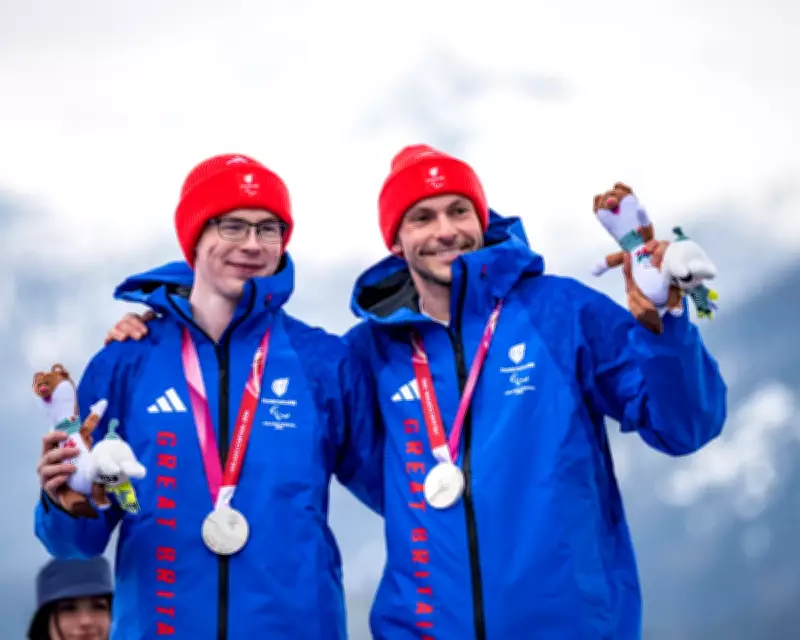
UK Sport is poised to implement increased performance benchmarks for upcoming Winter Paralympic Games after Great Britain concluded the Milano Cortina 2026 event with merely a single silver medal. This solitary podium finish, achieved by skier Neil Simpson in the men's visually impaired alpine combination, fell significantly short of the reduced target range of two to five medals established for the Italian competition.
Performance Analysis and Future Strategic Adjustments
Dr. Kate Baker, UK Sport's director of performance, expressed pride in numerous athlete performances throughout the Games while simultaneously acknowledging the necessity for critical evaluation regarding the future trajectory of Britain's winter Paralympic initiatives. "I don't think we could ever be disappointed in this group," Baker remarked, "but I think we're all committed to ensuring that performance occurs at the 2030 Games. Performance provides the platform for all other important work we're accomplishing."
When questioned about whether UK Sport would establish more ambitious medal objectives for the 2030 Winter Olympic and Paralympic Games scheduled for the French Alps, Baker responded affirmatively. The organization will initiate a thorough review process expected to conclude by summer, maintaining commitment to winter Paralympic sports while emphasizing efficiency and effectiveness in approach.
Geographical and Logistical Challenges in Winter Sports
Baker highlighted substantial obstacles facing British athletes in specific winter Paralympic disciplines, particularly Nordic events encompassing cross-country skiing and biathlon. These sports constitute approximately one-third of the winter Paralympic program, yet only a single British competitor, Scott Meenagh, qualified for these events, achieving no better than fourteenth place across four competitions.
"For disciplines like slalom and curling, you can practice those within the UK," Baker explained. "You can utilize dry slopes or low peak facilities. However, we must maintain realism regarding our prospects across a broader spectrum. Accessing snow presents considerable challenges due to Schengen restrictions and climate change impacts. Yet this remains absolutely non-negotiable. Without consistent snow exposure, we cannot develop a wide participant base meeting classification standards and possessing the physiological attributes necessary for international success."
Leadership Perspectives on Recovery and Future Optimism
Phil Smith, ParalympicsGB's chef de mission for the winter games, characterized the competition results as "obviously been tough" while simultaneously identifying reasons for optimism leading toward the 2030 Games. "I continue to believe there are numerous positives we can extract from this experience moving forward," Smith stated. "If we repeated this competition week, we potentially could have reached the middle of our target range with slightly improved fortune."
Smith emphasized that complete program overhaul appears unnecessary, though specific areas require examination by sporting authorities. "I believe we would obviously prefer to make this declaration following a more successful week, but the 2030 Games present a genuine opportunity for Britain to reestablish competitive credibility in winter Paralympic sports," he concluded.
The comprehensive evaluation process will scrutinize training methodologies, international competition access, classification systems, and developmental pathways to ensure British athletes receive optimal preparation for future winter Paralympic challenges.