Winter Olympics 2026: Italy's Environmental Dilemma Amidst Global Warming
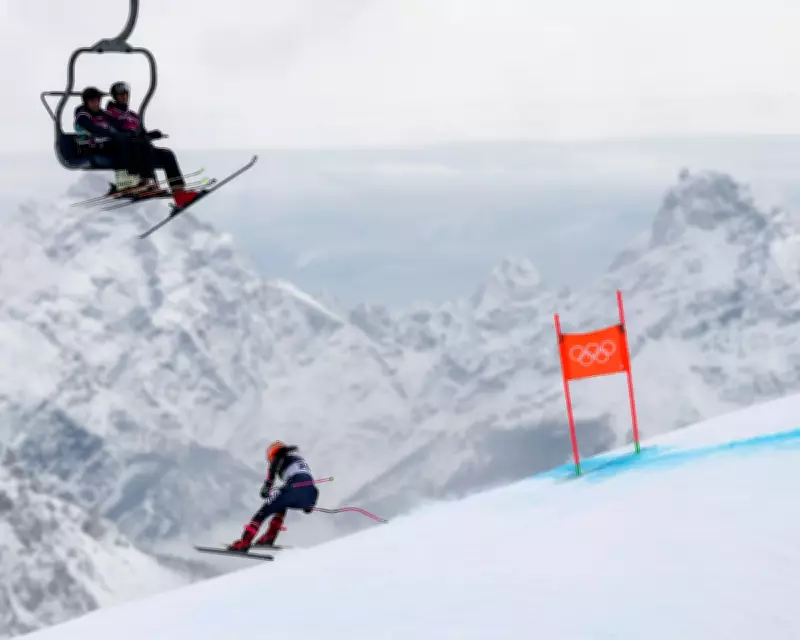
The upcoming Winter Olympics in Milan-Cortina present a striking paradox: a celebration of winter sports on a planet experiencing unprecedented warming. As athletes like Isabella Wright of the USA train on slopes requiring artificial snow production, the environmental and financial costs of hosting such mega-events continue to escalate dramatically.
Historical Context and Modern Excess
Pierre de Coubertin, founder of the modern Olympic movement, initially resisted winter Games, considering snow sports "completely useless" with no practical application. The first official Winter Olympics in Chamonix 1924 featured just 16 nations competing in five sports. A century later, the Milan-Cortina Games will host 3,500 athletes from 93 nations across 19 days of competition, representing what many perceive as an event spiralling out of control.
The financial burden has become staggering. Sochi 2014 remains the most expensive Games in history, while Beijing 2022 required constructing an entire winter sports resort from concrete, steel, and artificial snow. The International Olympic Committee now struggles to find willing hosts, with numerous cities including Calgary, Innsbruck, and Oslo withdrawing bids due to public opposition and financial concerns.
Environmental Impact and Sustainability Questions
Italy's approach to the 2026 Games highlights the tension between sporting spectacle and environmental responsibility. Organisers are using approximately 100 million litres of water to create 50,000 tonnes of artificial snow, necessitating construction of an entire reservoir specifically for snowmaking purposes. This occurs while nearly 200 ski resorts in the French Alps alone have closed due to shortened winter seasons and declining snowfall caused by global heating.
According to analysis by the World Wildlife Foundation of Italy, part of the Open Olympics movement, 60% of construction works for these Games proceeded without environmental impact assessments. The new bobsled track required cutting through ancient larch forests, while Cortina's original 1956 ice track remains derelict since its 2008 closure due to lack of use.
Geographical Challenges and Future Implications
The decision to spread events across northern Italy rather than concentrating them in one city creates logistical nightmares. Travel between venues can require up to 11 hours, complicating athlete schedules and spectator experiences. The Santagiulia ice hockey arena, built on 110 acres of brownfield land south of Milan at a cost of €270 million, will serve only temporary needs before likely becoming another white elephant.
Looking beyond Italy, the Winter Olympics face fundamental questions about their future relevance. Saudi Arabia's development of a $500 billion winter sports resort in the desert, originally planned to host the 2029 Asian Winter Games, suggests the IOC's commitment to hosting in countries with genuine winter sports cultures may be short-lived.
The Core Dilemma: Recreation Versus Responsibility
Many winter sports originated as recreational activities for wealthy tourists, with limited utility beyond entertainment. While the spectacle of competition provides thrilling television and athletic achievement, the environmental footprint grows increasingly difficult to justify. The IOC promotes sustainability initiatives, but these often appear superficial when contrasted with the substantial ecological damage caused by venue construction and artificial snow production.
As the Games approach, organisers face mounting pressure to balance sporting excellence with environmental stewardship. The temporary nature of Olympic infrastructure, combined with climate change's accelerating impact on winter sports, raises urgent questions about whether the current model remains sustainable or requires fundamental reimagining for future generations.