
The Great Skiing Debate: More Than Just an Elite Pastime
In response to a recent article criticizing skiing as a wasteful pursuit for the wealthy, passionate skiers from London to New Jersey have come forward to defend the sport as an accessible, rewarding activity that transcends economic barriers.
Breaking Down Economic Barriers
While skiing was historically associated with exclusivity and wealth, modern participants emphasize that the sport has evolved significantly. "In the past it was certainly a sport exclusive to the wealthy, but today it is enjoyed by people at all economic levels," writes David Morgale from Edgware, London. He points to rental options for equipment and specialized clothing, along with affordable holiday packages and lessons that make the sport accessible to beginners and enthusiasts alike.
The Personal Journey of a Lifelong Skier
Morgale shares his personal skiing journey, which began at age 45 when he took his first lesson alongside six-year-olds. "I was hooked," he recalls, describing how he progressed to advanced courses that presented steep learning curves. What kept him engaged for decades was "the sense of accomplishment that one gets from matching one's skills against gravity and the mountain, as well as the concentration that is required."
He continued skiing until age 80, retiring only after a knee injury from his only accident in 35 years of participation. "I still walk fine," he notes, emphasizing the longevity possible in the sport.
Mental Health Benefits and Natural Connection
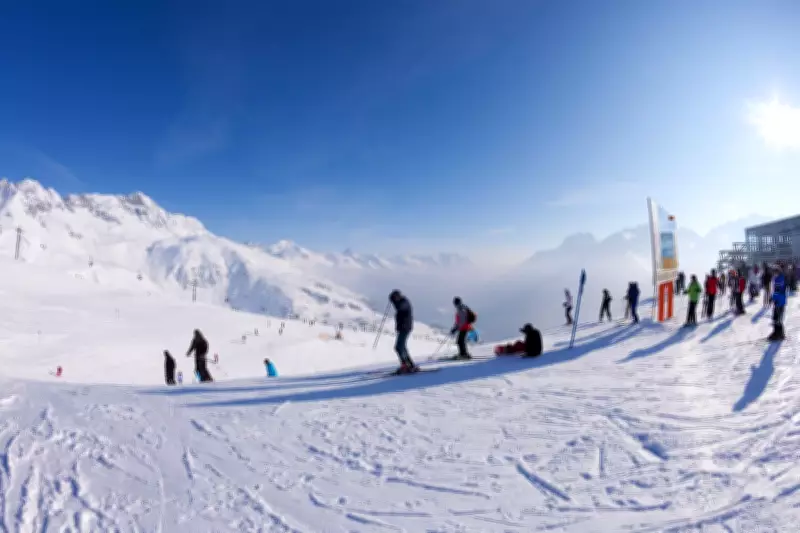
Beyond physical challenge, skiers highlight significant mental health benefits. "It is also a great way to forget about your problems and de-stress," Morgale explains. He describes memorable moments "standing on top of a mountain in the sunshine with only the sound of birds and the wind, with a view across hundreds of snow-covered mountain tops."
This connection to nature and escape from daily pressures represents a core appeal for many participants, regardless of their background or financial status.
Challenging the Elitist Perception
While acknowledging that some aspects of ski culture can appear elitist, Morgale counters that "I have had some wonderful meals halfway up a mountain with some great people, most of whom didn't go to public school." This sentiment challenges the stereotype of skiing as exclusively populated by the privileged.
Eric J Ascalon from New Jersey expands on this perspective, distinguishing between "the glossy resort circus" and what he describes as an entirely different ski culture. "It lives in dented Subarus and pickup trucks where people sleep so that they can afford a few hours on the snow," he writes. According to Ascalon, this community includes "teachers, mechanics, healthcare workers, lift operators and assorted snow-obsessed misfits with secondhand skis and boots that smell like wet dog."
The Universal Appeal of Mountain Challenge
Ascalon emphasizes that for these dedicated participants, "skiing is not a luxury lifestyle accessory. It is a stubborn, slightly irrational pursuit of gravity, weather and wild terrain." He captures the democratic nature of the mountain experience: "The mountain does not care who you are, what school you attended or how much money you have. It cares only whether you can stay on your feet."
This perspective reframes skiing as a challenging, sometimes uncomfortable activity that offers rewards beyond material comfort. "For many of us, skiing is cold, inconvenient and occasionally terrifying," Ascalon admits. "It is a rejection of luxury and comfort, which is precisely why we are obsessed with it."
Literary Perspective on Misunderstood Passions
John Carter from Wimbledon adds a philosophical dimension to the discussion, quoting the aphorism: "And those who were seen dancing were thought to be insane by those who could not hear the music." This suggests that critics of skiing may simply fail to understand the profound appeal that drives enthusiasts to brave cold conditions and physical challenges.
The Practical Reality of Ski Equipment
Morgale does concede one practical drawback: "Ski boots weigh a tonne and when you take them off at the end of the day, it has to be the greatest relief ever." This humorous admission acknowledges that while the sport offers numerous benefits, it also involves some physical discomfort that enthusiasts willingly endure for their passion.
Collectively, these responses present skiing as a multifaceted activity that offers physical challenge, mental respite, natural connection, and community across economic boundaries. The writers argue that reducing skiing to mere conspicuous consumption overlooks the genuine passion, accessibility, and personal rewards that keep people returning to the slopes for decades.