
Milano Cortina 2026: A Week of Olympic Surprises and Struggles
Covering the inaugural week of events at Milano Cortina 2026 has proven to be an enlightening yet challenging experience, filled with unexpected twists and logistical hurdles. From the vibrant opening ceremony to the dramatic disqualification of a skeleton athlete, the Games have already delivered a mix of cultural richness and organizational chaos.
Opening Day: A Journey into Cortina's Charm
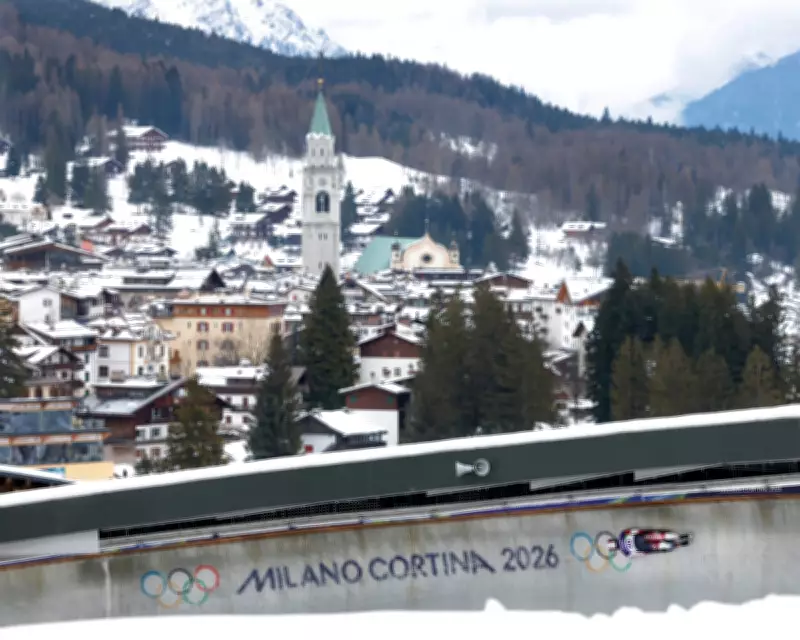
The adventure began with a seven-hour trek from Milan to Cortina, arriving just as athletes paraded through the town square. Cortina, essentially a one-street town, was shut down for the festivities, with locals spilling onto balconies adorned in lederhosen, Wayne Gretzky jerseys, and luxurious furs. Among the crowd, a Qatari police officer, part of a security pact between nations, stood out, highlighting the international flavor of this Winter Olympics. For a seasoned journalist on their sixth Games, the winter setting added a fresh layer of disorientation.
Historic Venues and Curling Contests
Saturday brought a visit to the Ice Arena in Cortina, a venue steeped in history. In 1958, Italian photojournalist Giancolombo captured iconic images of Brigitte Bardot skating here, embodying the Dolce Vita era, with Sophia Loren and Ingrid Bergman also gracing its ice. The arena, once stunning, has been redeveloped for the Olympics, now hosting events like mixed doubles curling, where Bruce Mouat and Jen Dodds faced off against Brett Gallant and Jocelyn Peterman in a tense session.
Lindsey Vonn's Shocking Downhill Crash
On Sunday, a moment of collective silence gripped the crowded stadium as Lindsey Vonn crashed just 12 seconds into her women's downhill run, tumbling down the mountain. The incident, reminiscent of Jofra Archer's 2019 hit on Steve Smith at Lord's, transformed the eager anticipation into a scene of sudden violence. Spectators watched in horror as Vonn was airlifted to hospital, their cheers replaced by prayers for her recovery.
Travel Troubles and Ski Jumping Scandals
Monday highlighted the logistical nightmares of Games spread across northern Italy. A bespoke travel app, intended to guide participants, failed miserably, leaving colleagues stranded for hours. A bus to the ski jumping event arrived 30 minutes late for some, while others waited three hours. The journey to Predazzo involved treacherous hairpin bends, and the return trip saw journalists walking down a highway, flagging down a sputtering bus at midnight. Amidst this, Norwegian fans dismissed the scandal surrounding ski jumpers' anatomy as unfunny, adding a bizarre note to the day.
Biathlon's Fancy Dress Frenzy
Wednesday's assignment to the biathlon, held near the Austrian border, proved worthwhile despite a convoluted two-hour trip via four buses and a train. The event boasted the largest and most devoted crowds yet, with attendees in elaborate fancy dress, creating an atmosphere akin to a darts night. Conversations with Greenland's minister for sport revealed candid opinions on global figures, while French winner Julia Simon's haughty press conference, ignoring her recent credit card fraud conviction, added to the spectacle.
Skeleton Drama and Disqualification
Thursday dawned with the men's skeleton event, where British world champion Matt Weston set track records, only to be overshadowed by the IOC's last-minute disqualification of Ukrainian sledder Vladyslav Heraskevych. He was barred for refusing to remove a helmet decorated with images of dead Ukrainian athletes. Announced via press release 20 minutes before the start, this decision diverted global media attention from the racing to Heraskevych's emotional press conference, creating a poignant but unofficial Olympic moment.
Throughout the week, the Milano Cortina 2026 Games have blended athletic excellence with cultural quirks and organizational flaws, offering a raw glimpse into the complexities of hosting a global winter sports extravaganza.