Ilia Malinin Opens Up About Olympic Disappointment and Mental Pressure
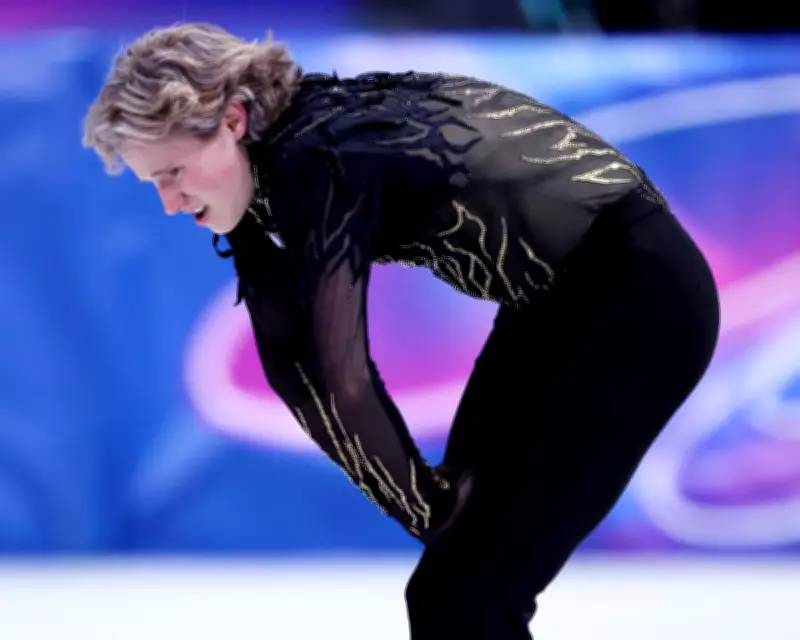
American figure skater Ilia Malinin has publicly addressed his shocking performance at the Winter Olympics, describing it as "an inevitable crash" in a heartfelt social media post. The 21-year-old, who was the overwhelming favorite for gold in the men's free skate event in Milan, fell twice during his routine on Friday, resulting in a disappointing eighth-place finish overall.
A Stunning Turn of Events on the Ice
Malinin's performance marked one of the biggest upsets in figure skating history. He placed 15th out of 24 skaters in the free skate segment, with Kazakhstan's Mikhail Shaidorov capturing the gold medal. This outcome represented Malinin's worst competitive score since the US International Classic in September 2022, highlighting the magnitude of the upset.
The young skater was quick to congratulate Shaidorov after the competition, demonstrating sportsmanship despite his personal disappointment. However, in subsequent reflections, Malinin revealed the intense psychological toll the event had taken on him.
The Psychological Battle Behind the Performance
In a video posted to his Instagram account on Monday, Malinin juxtaposed footage of his past triumphs with images of him holding his head in hands after Friday's performance. The video concluded with the date "21 February 2026" - the scheduled date for the exhibition gala that traditionally concludes Olympic figure skating - suggesting Malinin may incorporate this experience into future routines.
Accompanying the video was a written message that delved deep into the mental challenges elite athletes face. "On the world's biggest stage, those who appear the strongest may still be fighting invisible battles on the inside," Malinin wrote. He described how "vile online hatred attacks the mind" and how "fear lures it into the darkness" despite efforts to maintain composure under "endless insurmountable pressure."
Malinin's Candid Assessment of What Went Wrong
The skater was remarkably transparent about his emotional state during the competition. "The nerves just went, so overwhelming," Malinin explained. "Especially going into that starting pose, I just felt like all the traumatic moments of my life really just started flooding my head. So many negative thoughts that flooded into there and I could not handle it."
The final title card of Malinin's video included symbolic elements: a book titled "The Psychology of Fear," images of computer keyboards, and text messages, visually representing the external pressures contributing to his performance.
Silver Linings and Future Prospects
Despite the individual disappointment, Malinin did not leave the Olympics empty-handed. He earned a team gold medal with his United States teammates during the opening weekend of the Games, providing at least one positive memory from the competition.
The skater's reflective social media post and the 2026 date reference suggest he may be channeling this experience into artistic expression for future performances. This approach could transform a moment of professional setback into a powerful narrative element in his skating career.
Malinin's openness about the psychological dimensions of elite competition has sparked conversations about mental health in sports, particularly how athletes manage expectations and cope with public scrutiny on the world's biggest stages.