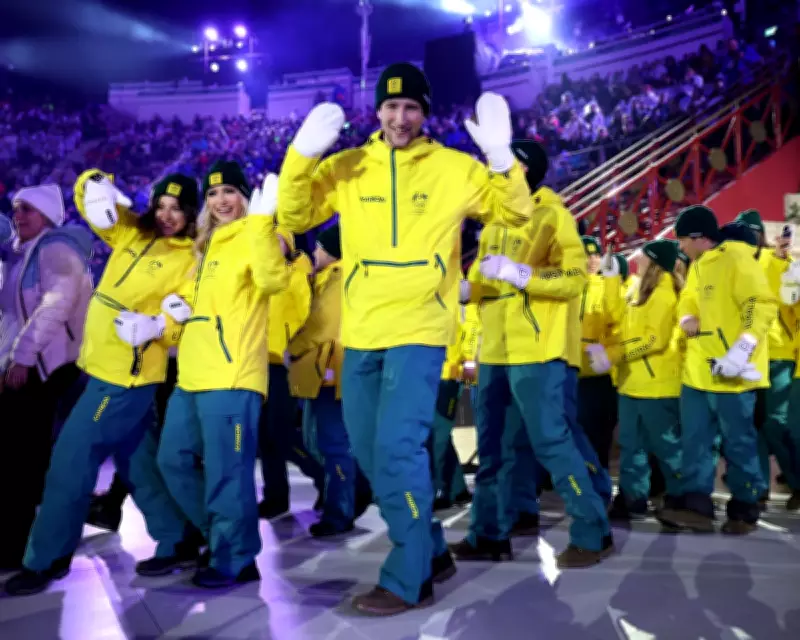
Australia Celebrates Record-Breaking Winter Olympics Performance
The 2026 Winter Olympics in Milano Cortina concluded on Sunday with Australia securing an unprecedented total of six medals, marking the nation's most successful Winter Games in history. This remarkable achievement has ignited optimism for the future of Australian winter sports, highlighting a new era of competitiveness on the global stage.
Young Talent Leads the Charge
More than half of the approximately 50 Australian athletes who competed in Italy were Olympic debutants, underscoring a promising pipeline of emerging talent. The campaign wrapped up with a standout performance from 16-year-old Indra Brown, who finished fifth in the freestyle skiing halfpipe. Brown's historic run included landing a 1080 spin—a complex maneuver involving three full rotations in the air—for the first time in competition, showcasing remarkable composure for her age.
Her achievement, combined with strong showings from other young athletes like cross-country skier Rosie Fordham, contributed to Australia's impressive medal tally: three gold, two silver, and one bronze. This placed Australia 14th in the overall medal standings, ahead of rivals such as Great Britain and close behind winter sport powerhouses like Canada, Japan, and China.
Innovative Training Facilities Fuel Success
Australia's success can be attributed in part to strategic investments in training infrastructure, despite the country's lack of natural snow-heavy environments. The Geoff Henke Winter Olympic Sports Training Centre in Brisbane, opened in 2021, features a unique water-based facility for aerial and mogul skiers—the only one of its kind in the southern hemisphere. This center played a role in the majority of Australia's medals, with athletes like Danielle Scott, who won silver in women's aerials, crediting it for their continued participation in the sport.
Additionally, Snow Australia has developed a world-class dry slope airbag at their Jindabyne training center, enabling year-round practice for skiers and snowboarders. As noted by Snow Australia's head, Australia excels in sports that can be trained effectively off-snow, a strategy reflected in all but one of the nation's medals at these Games.
Funding Challenges and Future Prospects
Despite the historic results, Australian chef de mission Alisa Camplin-Warner has called for increased funding to sustain and build on this success. Winter sports received just under $40 million in federal high-performance funding over the past four-year Olympic cycle, a fraction of the support given to summer sports like swimming. Camplin-Warner emphasized the "shoe-string budget" many winter athletes operate on, with even top talents like Indra Brown relying on crowdfunding for support.
Looking ahead, the focus on the Brisbane 2032 Summer Olympics raises concerns about potential diminished attention for winter sports. However, with a young team and growing infrastructure, Australia is poised for greater heights. Brown, for instance, is already set to compete in the FIS Park and Pipe Junior World Championships, balancing her athletic pursuits with high school studies.
As more than half of Australia's Olympians in Italy were newcomers, the future looks bright. With continued investment and development, the nation aims to elevate its winter sports profile further, promising exciting prospects for the 2030 Winter Olympics and beyond.