Australian Open Heatwave Tests Players' Endurance and Tournament Protocols
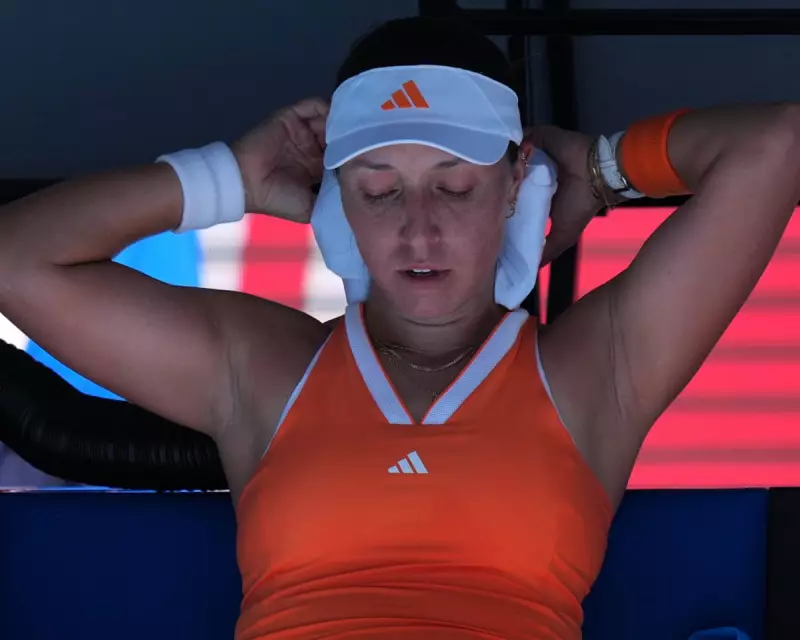
As temperatures soared to a scorching 39C in Melbourne, the Australian Open faced a significant challenge from extreme heat, disrupting schedules and pushing players to their physical limits. The intense conditions on Saturday led to a series of adaptations, from early match starts to the implementation of the tournament's Heat Stress Scale, highlighting how modern tennis is evolving to prioritise athlete welfare in harsh environments.
Players Adapt with Ice, Hydration, and Equipment Changes
In response to the sweltering heat, competitors employed various strategies to stay cool and maintain performance. Jessica Pegula, who secured a straightforward victory over Oksana Selekhmeteva, emphasised the critical role of ice towels and proper hydration. "The fact we haven't been playing that much in the hot temperatures is what gets people," she noted, pointing out the difficulty of acclimatising to sudden heatwaves. Similarly, Karen Khachanov was seen wrapping an ice towel around his neck during breaks, a common sight across the courts.
Madison Keys discussed technical adjustments, explaining that players often increase racket tension to counteract the ball flying faster in warmer air. "I typically go up in my tension a little bit," she said, though she opted for a minor change due to her early match time. These equipment tweaks, combined with overnight hydration and electrolyte management, formed a comprehensive approach to tackling the adverse conditions.
Heat Stress Scale and ATP Rules Come into Play
The Australian Open's Heat Stress Scale, which ranges from 1 (temperate) to 5 (immediate suspension), became a focal point as temperatures climbed. By 2pm, the scale reached level 4, mandating extended breaks between sets. It peaked at level 5 during Jannik Sinner's match against Eliot Spizzirri, leading to the closure of the roof on Rod Laver Arena and a suspension of play on outdoor courts. Sinner, who suffered from full-body cramps, acknowledged his luck, stating, "Got lucky today... it helped."
This incident underscored the importance of the ATP's newly announced heat rules, introduced after heat-related retirements at the Shanghai Masters. These regulations aim to balance player safety with the sport's traditional demands, moving away from outdated attitudes that viewed tennis as a gladiatorial contest where athletes must endure all conditions.
Spectator and Player Reactions to the Scorching Conditions
The heatwave not only affected competitors but also transformed the experience for thousands of spectators. Many sought refuge in air-conditioned areas like the hallways of Rod Laver Arena or shaded sections of Kia Arena, where matches were broadcast on big screens. One attendee captured the mood with the remark, "I just feel like I'm never going to be cold again," reflecting the pervasive impact of the extreme weather.
On the player balcony, typically a bustling social hub, emptiness prevailed as athletes retreated to air-conditioned lounges. Despite the challenges, some players, particularly Americans accustomed to training in Florida's humidity, viewed the heat as an opportunity. Spizzirri, for instance, embraced the conditions, saying, "I tried to relish that and look at it more as an opportunity to showcase my physicality."
Looking Ahead to Further Heat Challenges
With forecasts predicting temperatures of 41C for Tuesday, similar scenes are expected to unfold as the tournament progresses. Players in the remaining draws will need to demonstrate resilience and adaptability to cope with Melbourne's relentless summer heat. The events of Saturday serve as a reminder of how climate extremes are increasingly influencing professional sports, prompting ongoing discussions about safety protocols and the future of outdoor competitions in warming environments.