Inside the Lab Tackling the Head Trauma Imbalance in Women's Rugby
'I'd have headaches. I felt sick, emotional': These words from former Wales rugby star Non Evans highlight the hidden toll of concussions in women's rugby, a sport experiencing a surge in popularity but lagging in safety research. Sky News has gained exclusive access to groundbreaking studies at Swansea University aimed at correcting this imbalance.
Neck Strength: A Key Factor in Prevention
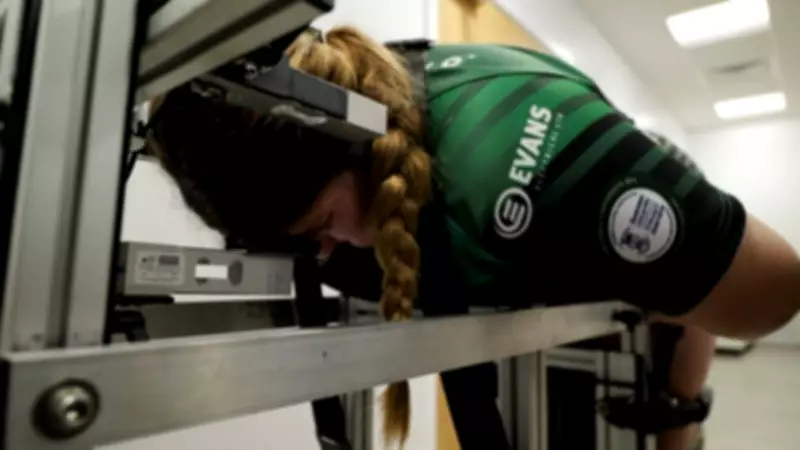
In a white-walled laboratory, female student rugby players are strapped onto specialized machines resembling upside-down rowing equipment. Sensors are adjusted around their heads as belts secure their backs, creating an undignified yet crucial setup for testing neck strength. This research, funded by World Rugby, measures forward, backward, and side-to-side neck movements, identifying strength as a critical factor in reducing concussions and neurological damage.
Dr. Elisabeth Williams, programme director for sport and exercise science at Swansea University, explains the urgency: 'Fifteen or 20 times a game, for university women, we observed direct head-to-ground impacts where the head whiplashes and hits the ground hard. This mechanism wasn't previously documented because most studies focused on elite male players.' The imbalance stems from physiological differences; males typically have stronger cervical spines, making female necks respond differently to similar impact forces.
Personal Stories and Legal Battles
The issue of concussions in rugby is not new, with over 1,000 former players filing lawsuits against governing bodies. Among them, Non Evans, capped 87 times for Wales, recalls an era when concussion was overlooked. 'I didn't think it had an impact until about 10 years ago when I became forgetful and emotional, initially attributing it to menopause. Neurological tests later confirmed the injuries from rugby impacts.' Despite this, Evans reflects, 'I wouldn't have changed it. Rugby defined me, offering friends, travel, and life experiences.'
Grassroots Enthusiasm and Parental Concerns
On a wet Sunday morning in Cheshire, the under-14s girls team at Winnington Park Rugby Club practices enthusiastically in muddy conditions. Parents like Steven Tyrer note increased awareness: 'In my day, a bang on the head meant smelling salts. Now, we understand the repercussions and prioritize safety.' Mum Jane Casey adds that coaches often handle injuries better than paramedics, while dad Dave Clinch balances worry with support, equipping his daughter with a headguard.
Coach Nial Phillips emphasizes the sport's benefits: 'Physical activity, team spirit, and positive self-image are key. We must build foundations so injured players don't quit.' Dr. Williams, preparing her young daughter with core strength exercises, underscores the importance of early training: 'When she says she wants to play rugby, I'll know she's fortified.'
World Rugby's Commitment and Future Directions
A World Rugby spokesperson states: 'Player welfare is central. We recognize the women's game is different and prioritize funding for women-specific research, requiring at least 50% female cohorts in studies we support.' This commitment aligns with growing calls for safety measures, such as flashing mouthguards to detect concussions, as the sport evolves.
As women's rugby continues to boom, driven by successes like England's 'Red Roses' in the World Cup, this research offers hope for a safer future, ensuring players can enjoy the game without compromising their health.