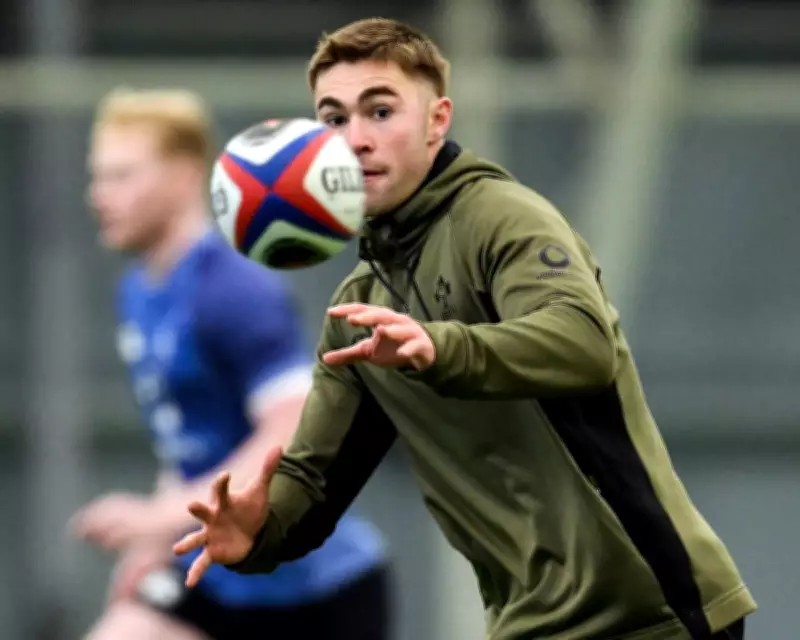
Jack Crowley Steps into the Iconic No. 10 Shirt for Ireland at Twickenham
In a move that continues Ireland's long-standing fascination with the fly-half position, Jack Crowley will wear the No. 10 shirt for Ireland in their Six Nations clash against England at Twickenham on Saturday. This selection marks the latest chapter in a storied history of Irish tussles at fly-half, with Crowley taking over from Sam Prendergast, who has been left out of the matchday 23.
A Legacy of Fly-Half Rivalries in Irish Rugby
The drama surrounding Ireland's No. 10 jersey dates back decades, most notably to the summer of 1979 when Tony Ward, the inaugural European Player of the Year, was controversially dropped in favor of Ollie Campbell. This decision, which made national news, ignited a national obsession with the playmaker role. Since then, Irish rugby has witnessed compelling rivalries such as David Humphreys versus Ronan O'Gara and the prolonged duel between O'Gara and Johnny Sexton. With Sexton's retirement after the 2023 World Cup, a new era has begun, and Crowley has emerged as a central figure.
Crowley, a Cork native, started for Ireland in the 2024 Six Nations opener in Marseille, playing a key role in a statement victory. However, coach Andy Farrell has faced scrutiny over his management of the position. Last year, Farrell parachuted Sam Prendergast into the starting lineup, sparking a fresh battle that has divided fans and added fuel to social media debates. The roar from the crowd when Crowley replaced Prendergast in a recent match against Italy highlighted the intense public interest and the pressure on both players.

Farrell's Selection Challenges and Historical Precedents
Andy Farrell's decision to bench Prendergast for the England game reflects the volatile nature of fly-half selection. Prendergast, who started alongside his brother Cian against France recently, is now out of the picture, with Harry Byrne named as the 24th man for the Twickenham fixture. This shift disrupts Farrell's initial plans and exposes him to criticism, particularly given the abusive online commentary directed at his players. Farrell, whose son Owen has faced similar mob mentality in rugby, finds himself navigating a soap opera-like scenario that tests his coaching resolve.
For comfort, Farrell might look to the past. The bold swap of Campbell for Ward in 1979 was based on solid reasoning—Campbell was deemed the best for the job—and it paid off. Campbell led Ireland to a historic series win in Australia, cementing his legacy as one of Ireland's greatest fly-halves. Ward, though initially damaged, rebounded to set a Lions scoring record. This precedent suggests that tough selection calls can yield long-term success, and Farrell may hope that Prendergast, despite being stood down, can eventually rise to similar heights.
The Broader Context: Six Nations and Irish Rugby's Future
As Ireland prepares to face England, the focus extends beyond individual rivalries to the team's overall performance in the Six Nations. The scrum battle and tactical execution will be crucial, but the fly-half role remains a focal point of national discourse. Crowley's appointment underscores Farrell's confidence in his ability to steer the team, yet it also highlights the ongoing evolution of Ireland's playmaking department. With the Six Nations 2026 on the horizon, these selections will shape the squad's dynamics and competitiveness.
In summary, Jack Crowley's start at Twickenham is more than just a lineup change; it is a continuation of Ireland's enduring saga at fly-half. From Ward and Campbell to O'Gara and Sexton, and now Crowley and Prendergast, this position captivates fans and defines eras. As Andy Farrell manages the pressures of selection and public opinion, the outcome on Saturday could influence not only the match result but also the future trajectory of Irish rugby.