Channel 4 Launches Innovative Boat Race Broadcast as Oxford Women Target Victory
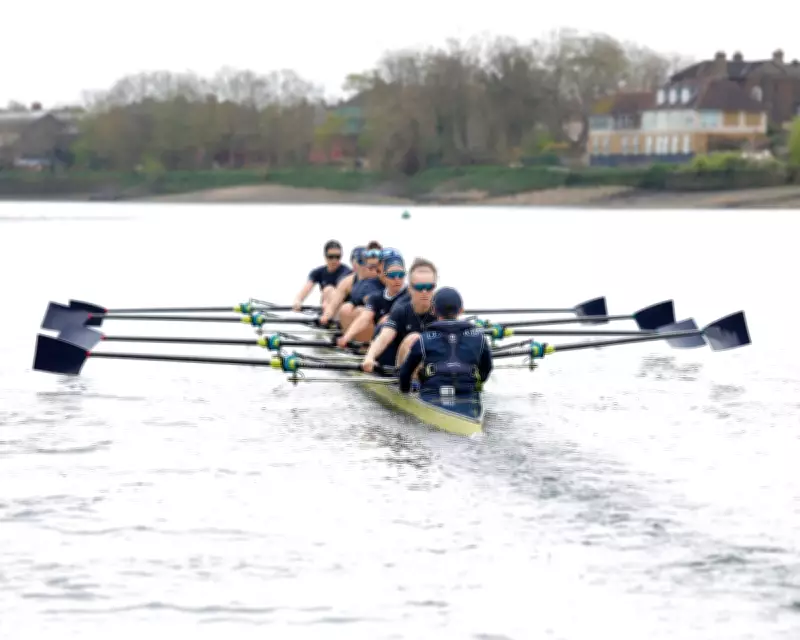
This weekend, the historic Oxford-Cambridge Boat Race undergoes a significant transformation, with Channel 4 taking over television coverage from the BBC. The event, a staple of the English sporting calendar since 1829, will feature a fresh presentation style aimed at broadening its appeal. Meanwhile, Oxford's women's team, captained by Olympic bronze medallist Heidi Long, are determined to end Cambridge's eight-year winning streak in the women's race.
New Broadcast Approach with Familiar Faces and Fresh Talent
Channel 4, known for its progressive programming since 1982, has secured the rights to the Boat Race, promising a modern makeover for the traditional contest. Clare Balding, a veteran of BBC coverage, will return as presenter, but she will be joined by new additions like Jamie Laing, a reality TV star and podcaster, and Ade Adepitan, a TV presenter described as a "bona fide Londoner." Pete Andrews, Channel 4's head of sport, emphasized the channel's role as a free-to-air public service broadcaster, stating, "It's about coming in with a new set of eyes. We're really excited to showcase it for everyone."
The production company FilmNova, which has four years of experience from BBC broadcasts, plans innovative segments to engage viewers. Phil Sibson, managing director, revealed plans for a "fantasy boat" featuring well-known athletes like Serena Williams and Paula Radcliffe, alongside efforts to humanize the rowers through fun, off-college activities. However, the inclusion of Laing has sparked debate over whether it will effectively attract younger demographics.

Oxford Women's Team Driven by Leadership and Personal Motivation
On the water, the focus is on the athletes, with Oxford's women's team led by Heidi Long, a 29-year-old who won bronze in the women's eight at the Paris 2024 Olympics. Long balances her rigorous academic schedule in medicine with intense training, using "micro-studying" techniques to manage her time. Her motivation is deeply personal, driven by the memory of her father, Keith, who passed away before the Paris Games. Long shared, "He believed in me from a very young age. I can do 10 more strokes in a rowing race. That's nothing compared to what he did."
Teammates praise Long's leadership, with Annie Anezakis, last year's president, noting, "Heidi is an incredible leader. She has a real sense of how people on the team are feeling." Sarah Marshall added, "She's got bucketloads of experience and is really able to pass that on in a useful way." The Oxford women face a formidable challenge, as Cambridge has dominated the women's race for eight consecutive years.
Broader Context and Athlete Dedication
Beyond the competition, the Boat Race highlights broader issues, such as environmental concerns related to Thames Water's management and sewage in waterways. The athletes themselves exemplify dedication, with Cambridge's Carys Earl, a medical student, describing her grueling schedule of hospital shifts until 3am followed by 5am training. Siobhan Cassidy, chair of the Boat Race company, emphasized the rowers' dual commitments, saying, "Everyone will have earned their place at Oxford or Cambridge on academic ability. They just happen to be incredibly hard-working, dedicated rowers."
As Channel 4 aims to revitalize the event's viewership, the athletes remain focused on their goals. For Long, victory would cap off her Oxford career before she trains full-time for the Los Angeles 2028 Olympics. Regardless of the outcome, her journey and leadership have already left a meaningful impact on the team.