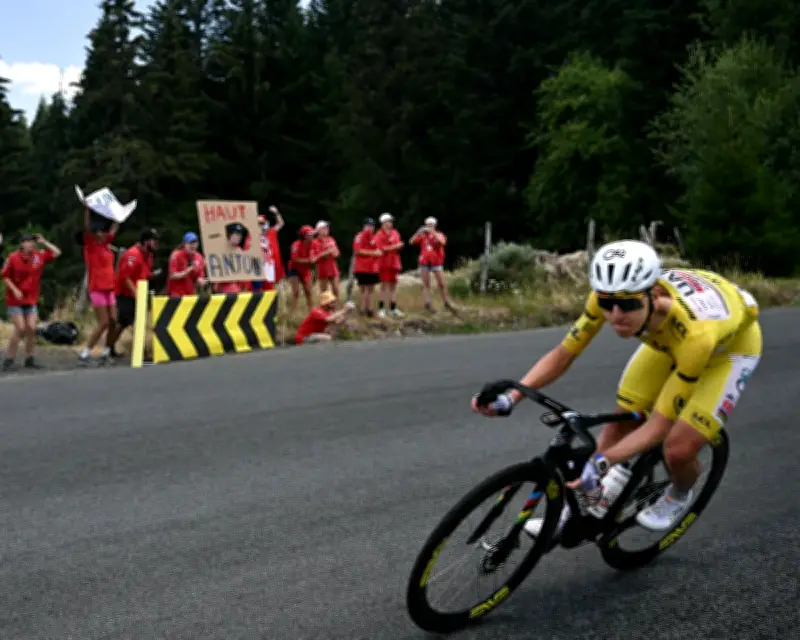
Tadej Pogacar has discovered that enduring the ire of French cycling fans is a rite of passage for prolific Tour de France winners. The first catcalls came on Tuesday's stage to Le Lioran in the Cantal, and with no signs of the Slovene and his UAE team's dominance slipping, more boos are likely in the Alps next week.
Historical Precedent: Anquetil and Poulidor
To understand why big winners don't always get red carpet treatment, look to the 1960s rivalry between Jacques Anquetil and Raymond Poulidor. Anquetil, cold and clinical, based his Tours on time-trials, while Poulidor, a warm-hearted noble peasant, tried his utmost but never won the Tour, becoming the most popular athlete in France. This duality set the tone for French cycling fandom.
Chris Froome, Eddy Merckx, Bernard Hinault, and even the American rider whose name is often omitted have all faced similar treatment. The French press and public often find winners boring and unpopular, while those who lose heroically are adored.
The Federation Francaise de la Lose
An Instagram feed called Federation Francaise de la Lose (motto: "la defaite est en nous"), with 350,000 followers, celebrates those who don't win. In 2023, they helped organize Thibaut Pinot's massive farewell party, where Pinot made a heroic solo attack only to be chased down by UAE's steamroller, leading to boos for Pogacar.
This view suggests Tour stars are either boring because they win too much or exciting because they find interesting ways to lose. This explains why Anquetil and Merckx were unreadable to the French public, and why Hinault was sometimes derided as boring despite his achievements.
Miguel Indurain: The Exception
Miguel Indurain bucked the trend. He won five Tours without significant pushback, partly because he was lucky to win before doping suspicions became widespread, and his Banesto team achieved victories almost apologetically. Indurain won time trials and let others win mountain stages, lulling the public into a catatonic state with yawns but no boos.
The Doping Era and Ethical Twist
Post-Indurain, from 1998 to 2008, doping took center stage. The years of "two-speed cycling" added an ethical twist: Tour stars had to be clean and perceived as clean, with underdogs occupying the moral high ground. Lance Armstrong faced brickbats and urine once his doping was obvious, and Alberto Contador was booed in 2011 while his clenbuterol positive was under inquiry.
Pogacar, despite winning with charisma and rarely questioned ethics, may still face boos because the French want heroes who win like Anquetil but compete and smile like Poulidor, while post-Armstrong they demand absolute probity. It is an impossible triangle to square.