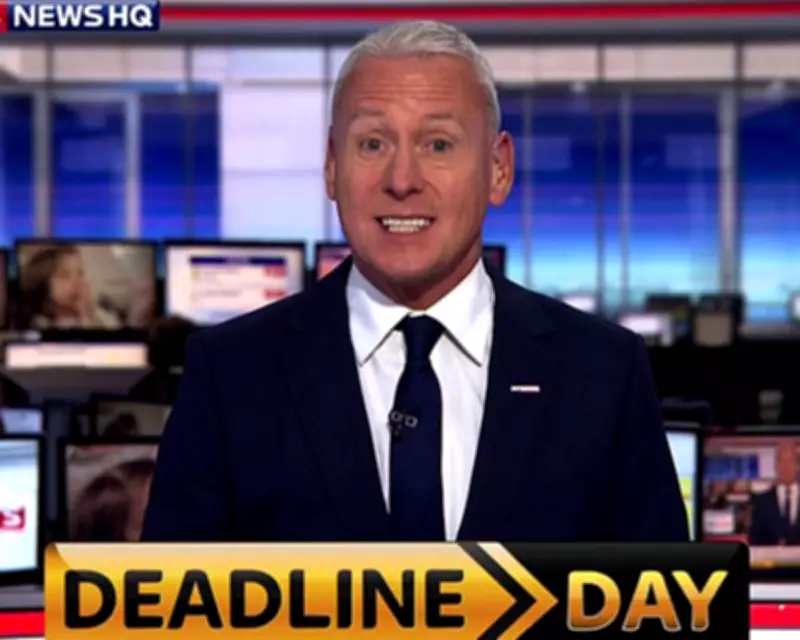
Remember the days when transfer deadline day was a thrilling spectacle? It was a time when Sky Sports News reporters braved the winter rain, clad in their iconic yellow ties, to bring breaking news from outside Premier League training grounds. From Jim White's frenetic energy to Peter Odemwingie's infamous car park saga, and the drama of dodgy fax machines, deadline day used to be unmissable television, worth staying up past bedtime for.
The Decline of Deadline Day Drama
Fast forward to today, and the magic has largely faded. This January's deadline day felt more like a damp squib than a box office hit. The deals that did materialise often seemed baffling, leaving fans and pundits scratching their heads. For instance, rock-bottom Wolverhampton Wanderers decided to sell their top striker, Jørgen Strand Larsen, to relegation rivals Crystal Palace. Meanwhile, Palace's decision to splash £43 million on the Norwegian, who has only managed one league goal this season, raised eyebrows, especially after Jean-Philippe Mateta's move to Milan fell through.
Questionable Transfer Strategies
Across the Premier League, sporting directors appeared to be operating with little coherent strategy. Liverpool, desperately short of defensive cover, opted to spend £60 million on a defender who won't arrive until the summer, rather than addressing their immediate needs. Coventry City, leaking goals, signed three wingers instead of bolstering their defence. West Ham United, fighting relegation, replaced three central midfielders with two expensive strikers and an unproven winger from Venezuela. It's as if clubs are playing a confusing game of chess with no clear endgame.
Even the timing of the deadline at 7pm GMT felt anticlimactic, akin to eating your packed lunch at your desk far too early in the day. The sensible business was done earlier in the window, with Manchester City securing Marc Guéhi for a bargain £20 million and making Antoine Semenyo's £62.5 million move look like good value. This highlights that smart deals are still possible, but they require foresight and planning, qualities that seemed in short supply this January.
The Broader Impact on English Football
This window has sparked concerns about the state of English transfer nous, with many clubs showing a lack of long-term vision. Exciting young prospects like Tottenham's new 18-year-old striker James Wilson or Arsenal's Jaden Dixon are often signed only to fade into obscurity, as seen with Ethan Nwaneri's limited opportunities at the Gunners. It raises questions about whether the Premier League's financial muscle is being used wisely or if it's leading to wasteful spending and poor squad management.
Arteta's Defiant Stance
Amid the criticism, Arsenal manager Mikel Arteta has hit back at detractors, claiming his team is the most exciting in Europe. In a recent quote, he stated, "I hear completely the opposite: all around Europe that we are the most exciting team in Europe – the most goals, the most clean sheets. Maybe I have different sources." This defiant attitude underscores the ongoing debates about performance and perception in modern football.
Looking Ahead to Summer Coverage
As the domestic season continues, attention is already turning to summer tournaments. ITV has announced plans for a lavish studio in Brooklyn with views of the Manhattan skyline for their coverage, featuring pundits like Mark Pougatch and Ian Wright. In contrast, the BBC will remain in Salford to reduce their carbon footprint, appealing to environmentally conscious viewers. This divergence highlights the evolving landscape of sports broadcasting and its environmental considerations.
In other news, Ukraine's sports minister has criticised FIFA president Gianni Infantino for considering lifting a ban on Russia, calling it "irresponsible" and "infantile." Meanwhile, the FA is proposing radical changes to the Women's FA Cup, including seeding teams and altering the draw format, as women's football continues to grow in prominence.
Ultimately, this January transfer window has left many wondering if deadline day can ever recapture its former glory. With bizarre deals and questionable strategies, it's clear that the excitement of yesteryear has given way to a more calculated, and often confusing, approach. As fans reflect on the window, the hope is that future deadlines will bring back the drama and sense of occasion that once made them a highlight of the football calendar.