
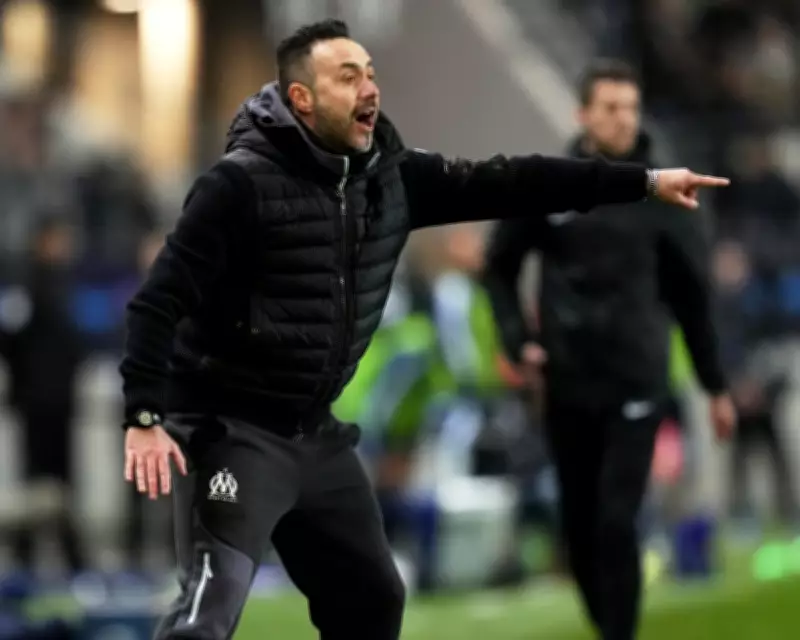
Tottenham's Critical Decision: De Zerbi Takes Charge in Relegation Scrap
In a dramatic turn of events, Tottenham Hotspur have appointed Roberto De Zerbi as their new head coach, with just seven games remaining to salvage their Premier League status. This high-risk move, orchestrated by chief executive Vinai Venkatesham and sporting director Johan Lange, places the club's future in the hands of a manager known for innovative tactics but also for a combative and volatile approach.
A Gamble Born from Past Success and Present Desperation
Venkatesham, who previously helped recruit Mikel Arteta for rivals Arsenal, now faces scrutiny for betting on De Zerbi during Tottenham's most precarious moment this century. While Arteta's appointment was a gamble that paid off, De Zerbi's hiring raises eyebrows due to his extreme tactical philosophy and limited track record in crisis situations. Tottenham had considered De Zerbi earlier, but his availability now, after leaving Marseille, has forced a swift decision.
The club views De Zerbi as the top available coaching talent, aiming for long-term stability rather than a short-term fix. However, critics argue that his methods, which require time to implement, may not suit a team fighting for survival. As one Premier League executive noted, De Zerbi's tactics at Brighton were "very extreme" and quickly "got found out," questioning their suitability for Tottenham's immediate needs.
Tactical Extremism and Emotional Volatility: A Double-Edged Sword
De Zerbi's coaching style is marked by a rigid adherence to his system, which contrasts sharply with the approaches of previous managers Ange Postecoglou and Thomas Frank. This could necessitate another squad overhaul if Tottenham avoid relegation. Players like Lewis Dunk have described initial training under De Zerbi as "horrendous" and "baffling," highlighting the adjustment period required.
Moreover, De Zerbi's emotional volatility has been a point of concern. At Marseille, he reportedly refused to coach after a poor performance, leading to player unrest. A viral video showing him confronting player Ismaël Koné in training, telling him to "take a shower" and "call your agent," underscores his tough-love mentality. Whether this approach will galvanize a fragile Spurs squad or further undermine confidence remains uncertain.
Long-Term Vision vs. Immediate Crisis
Tottenham's owners, Vivienne and Charles Lewis, have committed to supporting De Zerbi with a five-year contract, even if relegation occurs. The club plans to use parachute payments and Championship resources to bounce back, though financial regulations limit spending power. Appointing De Zerbi now allows for summer transfer planning with his input, but his history of short tenures—his longest stay was three seasons at Sassuolo—raises doubts about longevity.
Data analysis in football management reveals that managers often have minimal impact on performance compared to squad quality, yet emotional factors like squad unity are crucial but hard to measure. Tottenham, in transition after losing chairman Daniel Levy, must navigate this human element carefully. Levy's centralized control provided structure, but the new regime promises a more collaborative approach, albeit untested in high-pressure scenarios.
The Road Ahead: Seven Games to Define a Season
As Tottenham prepare for a crucial match against Sunderland, the focus shifts to whether De Zerbi can deliver pragmatism in the short term while laying groundwork for the future. The club's ambition to compete for trophies hinges on surviving this relegation battle. With De Zerbi at the helm, Tottenham are betting on creativity and resilience, but the stakes have never been higher in their modern history.