
Summer Switch: Could a Global Shift Free Women's Football from Men's Game Constraints?
The announcement that Major League Soccer (MLS) is transitioning from a summer to a winter season has sparked renewed discussions about the National Women's Soccer League (NWSL) schedule. This debate is not new; for years, the NWSL has weighed the advantages and disadvantages of aligning with the European calendar, which traditionally follows a winter schedule.
Aligning transfer windows would offer significant benefits, enhancing competitiveness by simplifying the process of recruiting European-based players without mid-season disruptions. However, challenges persist, including conflicts with FIFA's winter-oriented calendar, international windows, and major tournaments like the Women's World Cup and Olympics, which have forced the NWSL to pause its season.
Broadcast and Commercial Hurdles
Broadcast slots and commercial deals in an oversaturated market are critical issues for women's football's growth. The men's game often dominates prime slots, leaving women's football with less desirable times, such as outside the Saturday 3pm blackout. This hampers efforts to secure better broadcast agreements, attract larger audiences, and increase attendances.
In England, when Women's Professional Leagues Ltd (WPLL) took over the top divisions, there was a push for quality broadcast slots, but resistance from the men's game has limited progress. This has led to coverage being relegated to slots unwanted by men's football, stifling commercial growth and visibility.
The Case for a Summer Calendar
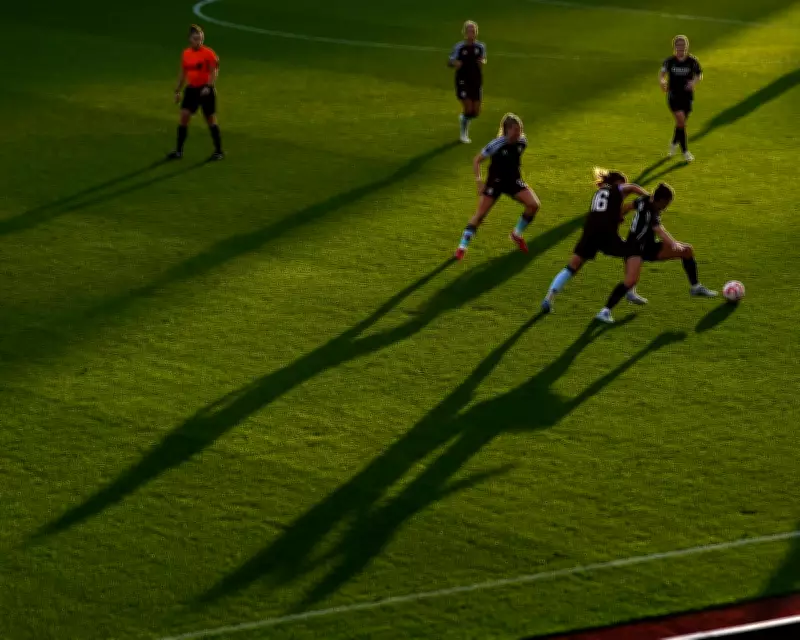
Instead of conforming to European traditions, a bold proposal suggests switching women's football globally to a summer season. This move could free the women's game from scheduling nightmares in countries with dominant men's leagues. Benefits include more available broadcast slots, reduced fixture clashes for ground-sharing clubs, and fewer issues with frozen or waterlogged pitches.
Historically, the Women's Super League (WSL) in England operated over the summer from its launch in 2011 for six seasons, proving popular due to the pleasant experience of watching football in sunny weather. Other leagues, like Sweden's Damallsvenskan and Norway's Toppserien, have also adopted summer schedules to avoid harsh winters.
Challenges and Solutions
Adopting a summer calendar is not without complications. High temperatures from March to November could pose challenges, similar to winter cold in other regions. Solutions might include earlier or later kick-off times and a two-week summer break to mitigate extreme weather. Additionally, stadium access issues, such as time needed to re-lay pitches for off-season events like concerts, would require careful planning.
Achieving this radical change would require global coordination, involving FIFA, continental confederations, leagues, and clubs. It would necessitate ripping up and redrawing the calendar to create a unique, holistic schedule that prioritizes players, fans, and the game's growth.
While ambitious, such a shift could drive women's football forward, offering a fresh approach to overcome ingrained barriers and foster sustainable development.