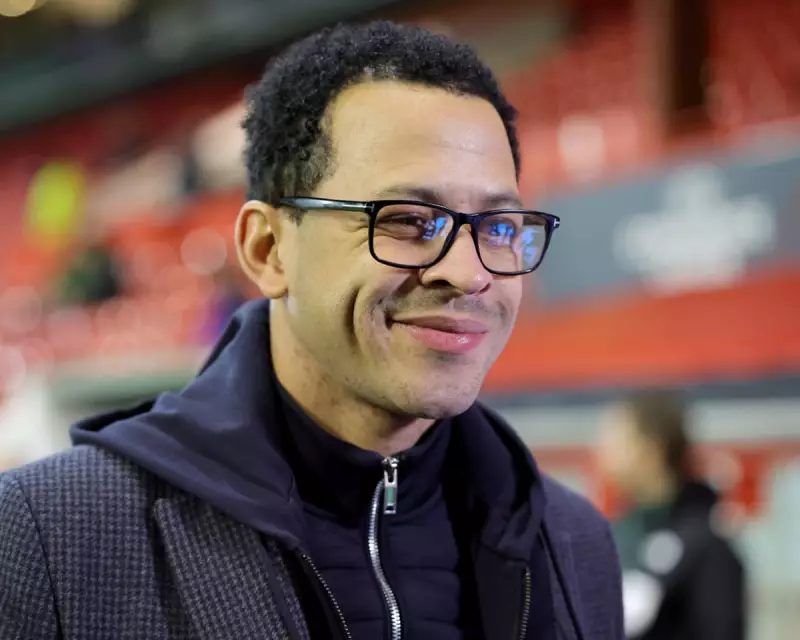
Before he was widely tipped to become the next head coach of Chelsea FC, Liam Rosenior was a Brighton defender with a sharp analytical mind and a platform at The Guardian. Over three years, his columns offered a revealing window into his thoughts on football, society, and leadership—views that now provide intriguing clues about his potential approach at Stamford Bridge.
From the Touchline to the Opinion Page
While coaching is now his primary focus, Rosenior's written work between 2017 and 2020 showcased a forward-thinking football intellect. His pieces were never just about match reports; they tackled a wide array of subjects, from set-piece pragmatism to the presidency of Donald Trump. These dispatches painted a picture of a manager who is deeply thoughtful, socially conscious, and tactically astute.
In an October 2017 column, Rosenior detailed a pivotal moment that made him question his managerial ambitions. He described witnessing West Ham fans brutally abuse their then-manager, Slaven Bilic, during a match, only to see Bilic wait patiently afterwards to congratulate every Brighton player and staff member. Rosenior wrote of Bilic's "humility and courtesy," admitting the incident gave him pause. This experience suggests he is under no illusions about the intense pressures and scrutiny that come with a top job like Chelsea's.
A Champion for Inclusion and Diversity
Rosenior's columns frequently returned to themes of equality and representation. In November 2017, he argued that football needed a fundamental culture shift, not just symbolic campaigns like Rainbow Laces, for gay players to feel safe coming out. He recalled hearing a manager say a gay player wouldn't be in his team, a remark that left Rosenior feeling "ashamed" of the game's environment.
Just weeks later, in December 2017, he highlighted the crisis facing Black, Asian, and Minority Ethnic (BAME) coaches. Rosenior argued that opportunities must be based on merit, but pointed out the undeniable under-representation in high-level coaching roles. He emphasised that coaching involves empathy and cultural understanding, suggesting a coach from a similar background could better reach some misunderstood talents. Chelsea's squad can likely expect a dressing room where outdated, macho banter is not tolerated.
Tactical Acumen and Man-Management Insights
On the tactical side, Rosenior's admiration for midfielders like Michael Carrick, whom he praised in January 2018 for his ability to receive the ball on the half-turn and play incisive passes, signals a preference for controlled, intelligent possession. His appreciation for Carrick's understated brilliance hints at the type of player he may value.
His man-management philosophy was hinted at in a March 2018 piece advocating for mid-season breaks. Rosenior argued that trips abroad offer vital physical rejuvenation from sunlight and, more importantly, a chance for squad bonding in a different environment. He believed such shared experiences could tangibly improve team spirit and subsequent performance—a memo Chelsea's travel department might soon receive.
Perhaps most tellingly, during the 2018 World Cup in Russia, Rosenior identified how the introduction of VAR was changing defensive behaviour at set-pieces. He correctly predicted that fear of penalties would lead to more chances from free-kicks and corners, making organisation in these areas more crucial than ever. This shows a manager who was ahead of the tactical curve, analysing global trends to gain marginal gains.
Football and the Wider World
Rosenior made it clear he does not believe football exists in a vacuum. In a powerful open letter to Donald Trump in June 2020, written amid global protests after the killing of George Floyd, he directly addressed the then-US President. Rosenior wrote that Trump was the reason his US-citizen daughters asked, "Why does the President hate black people?" He labelled Trump a "catalyst" for change, showing a willingness to engage with political and social issues head-on.
While his hope that Trump might unwittingly spur positive global change may seem optimistic, the column unequivocally marks Rosenior as a manager who sees football's role in a broader societal context. As he prepares for what appears to be his biggest job yet at Chelsea, these past writings suggest the club would be getting not just a tactician, but a principled leader unafraid to tackle difficult conversations both on and off the pitch.