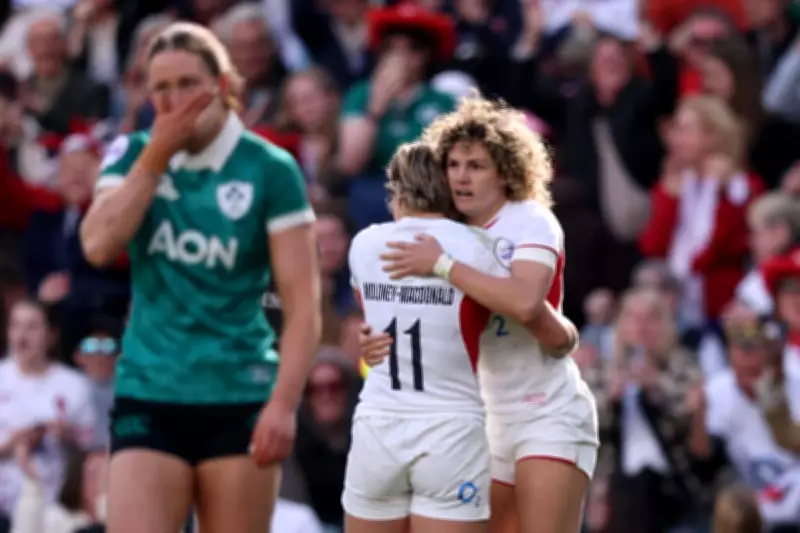
England's Red Roses are great for rugby, but are they bad for business? As the dominant England rugby team prepares to face France in the final round of this year's Women's Six Nations, they are on the verge of securing their 38th consecutive Test victory. This remarkable achievement places them among the most incredible sports teams globally, yet questions arise about its impact on the sport's commercial landscape.
Success for England, but at What Cost?
For England, the answer is clear: their success is a boon. Last year's Women's Rugby World Cup final victory, played before a sold-out Allianz Stadium, marked a turning point akin to the Lionesses' moment in football. Since then, the Red Roses have secured sponsors and commercial deals independent of the men's team, a forward-thinking monetization strategy. The Rugby Football Union deserves credit for contracts with partners like LG and Crew Clothing, reinforcing the England Women's brand as an attractive investment. This gravitas places the Red Roses alongside the All Blacks and Springboks as one of the sport's most marketable teams.
The Downside of Dominance
However, England's success is damaging the wider game. With England overwhelming favorites in every match, brands may hesitate to invest in the sport long-term until competition improves. The domestic PWR competition lacks a title sponsor, and despite potential expansion into other Home Nations, a sponsor remains elusive. While a new partnership with Mitsubishi Electric Europe is positive, global deals like Barbie maker Mattel creating a figure of Ellie Kildunne generate publicity but limited commercial value.
The reality is stark: England's winning streak is bad for business except for England itself. Even the Red Roses may suffer from a lack of competition-wide sponsors globally. The ideal solution would see England's investment force other nations to follow suit, but that outcome is not guaranteed. Thus, England must exploit every commercial opportunity, aligning their brand with the sport's forefront to generate revenue while they dominate.
A Call for Competition
Sunday's match against France, their closest rivals in the Women's Six Nations, is expected to end in an England victory. Yet, many within the game quietly hope for a loss—because an England defeat could keep women's rugby interesting and encourage broader investment. As the Red Roses continue to inspire, the balance between dominance and commercial growth remains a critical challenge for the sport.
Former England Sevens captain Ollie Phillips is the founder of Optimist Performance. Follow Ollie @OlliePhillips11