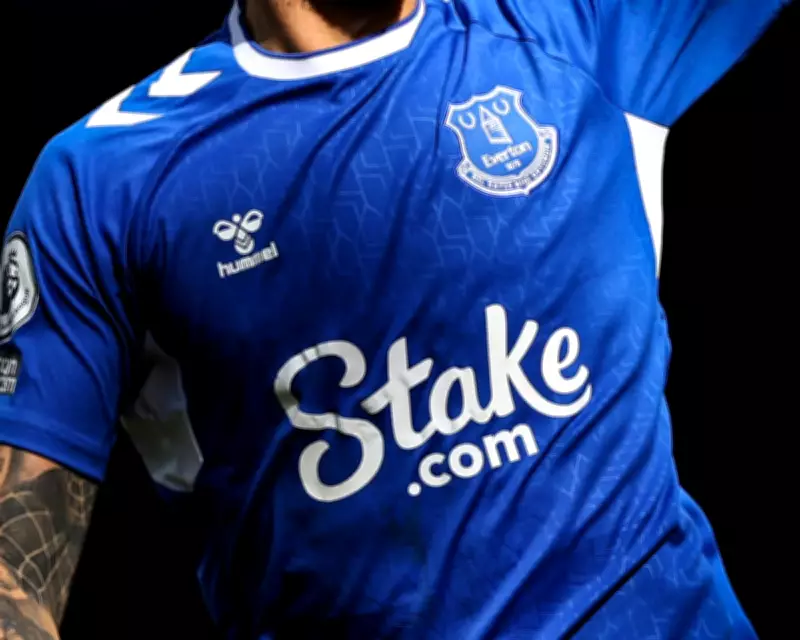
Government Proposes Ban on Unlicensed Gambling Sponsors for Premier League Clubs
The UK government is actively exploring stringent new regulations that could significantly impact the financial landscape of Premier League football. Under these proposed measures, clubs in the top tier of English football might be barred from entering into sponsorship agreements with gambling companies that operate without a valid license from the Gambling Commission. This initiative aims to bolster consumer protection and address growing concerns about the influence of unregulated gambling entities in sports.
Details of the Proposed Regulatory Changes
The potential ban targets unlicensed gambling firms, which are those not authorized by the UK's Gambling Commission to offer services legally within the country. These companies often operate from overseas jurisdictions, circumventing British regulations and consumer safeguards. The government's proposal seeks to close this loophole by preventing Premier League clubs from partnering with such entities for sponsorship deals, which have become a lucrative revenue stream for many teams in recent years.
This move is part of a broader effort to reform gambling laws in the UK, following increasing scrutiny over the sector's ties to professional sports. By restricting sponsorship from unlicensed operators, authorities hope to reduce the exposure of fans, particularly younger audiences, to potentially harmful gambling practices. The regulations would require clubs to conduct thorough due diligence to ensure their sponsors are fully licensed, with penalties for non-compliance potentially including fines or other sanctions.
Impact on Premier League Clubs and the Gambling Industry
If implemented, this ban could have substantial financial implications for Premier League clubs, many of which rely heavily on sponsorship from gambling companies. In the 2025-2026 season, it is estimated that gambling firms contributed over £100 million in sponsorship revenue to top-flight clubs, with deals ranging from shirt sponsorships to stadium naming rights. Clubs may need to seek alternative sponsors from sectors such as technology, finance, or retail, potentially leading to a shift in the commercial dynamics of the league.
For the gambling industry, this proposal represents a significant challenge, especially for unlicensed operators seeking to gain visibility through sports marketing. Licensed firms, however, might benefit from reduced competition and enhanced credibility. The government's stance reflects a growing trend in Europe, where countries like Italy and Spain have already imposed restrictions on gambling advertising in sports, aiming to promote responsible gambling and protect vulnerable consumers.
Broader Context and Future Outlook
This development comes amid ongoing debates about the role of gambling in society and its integration into popular culture through sports. Critics argue that gambling sponsorship normalizes betting behaviors, while proponents highlight its economic benefits to clubs and the entertainment value it brings. The UK government is balancing these perspectives, with the proposed ban seen as a compromise to allow licensed gambling while curbing unregulated activities.
Stakeholders, including football clubs, gambling companies, and consumer advocacy groups, are expected to engage in consultations over the coming months. The outcome could set a precedent for other sports leagues and entertainment sectors, influencing how gambling is marketed in the UK. As discussions progress, the focus remains on creating a safer environment for sports fans without unduly harming the financial stability of Premier League clubs.