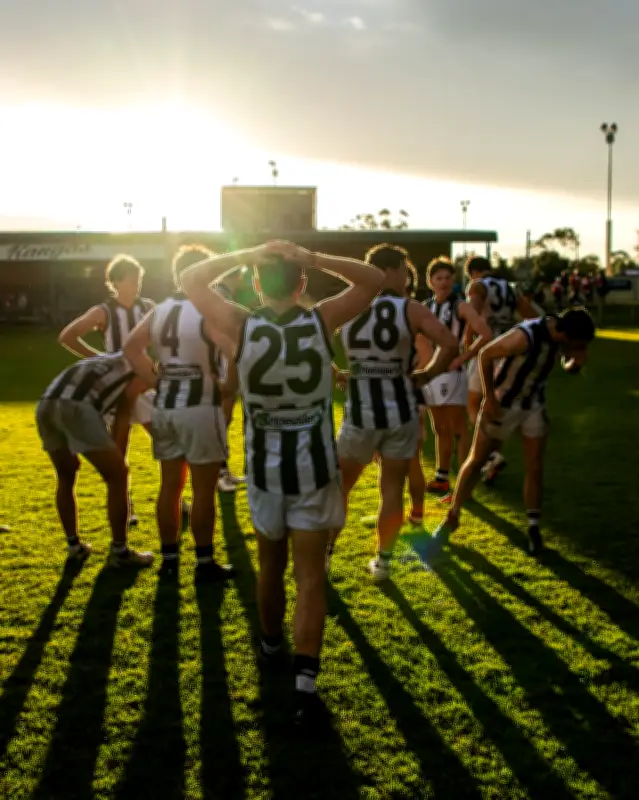
Ouyen United, a football club in north-west Victoria, holds a Heritage Round each season to honor the 43 defunct clubs that merged to form it. The club, now known as Ouyen United Kangas, is arguably Australia's most merged football club, a testament to the rural-urban drift that has reshaped country football.
Heritage Round celebrates defunct clubs
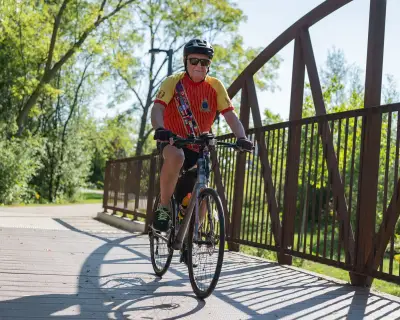
During Heritage Round, 101-year-old Norm Vallance, a former player for the defunct Kiamal club, attends in a blazer and tie, posing for photos at Blackburn Park. Vallance played only one game for Kiamal, now home to just three people. In 1981, Kiamal merged with arch-rivals Tiega to form Ouyen Rovers, part of a broader contraction of rural football in the Mallee region.
The Mallee, last settled in Victoria, saw a rush of families after the railway reached Ouyen by 1910. Schools and football clubs proliferated, but dust storms and the Depression made farming unviable, prompting families to drift to cities. By 1998, Ouyen Rovers merged with Tempy-Gorya-Patchewollock (TGP) to create Ouyen United, which later merged with Walpeup-Underbool in 2015 after the Mallee League dissolved.
Family dynasties and community ties
Walter “Spot” Munro, a Kiamal legend, watches his grandson Ethan play for Ouyen. Twenty-one Munros played for Kiamal, and nearly two-thirds of Ouyen's current senior players trace their lineage to the original clubs. Former president Fel Cua created Heritage Round in 2024 to keep those connections alive. “Those 40-odd clubs that have made us – we just want to keep the people connected to those clubs a part of what Ouyen is today,” he says.
Merger challenges and success
Andrew Willsmore, who played 440 games for Walpeup-Underbool, recalls the merger negotiations as “difficult, sometimes brutal.” The agreement gave Walpeup-Underbool's strip, Ouyen's name, and five home games in Ouyen, three at Underbool. In 2016, Ouyen United Kangas shocked the Mildura establishment by winning the Sunraysia League grand final against Mildura Demons. “They ran out of food, grog, everything,” says president Mick Pole. “That success was crucial in cementing the merger.”
Nine wooden poles at Blackburn Park represent the clubs merged since World War II, painted by students. Vallance passes the Kiamal pole, and Pole reflects: “That link to the past can’t fade. If it does, we’re buggered. Nurturing that is what will keep us alive as a club.”