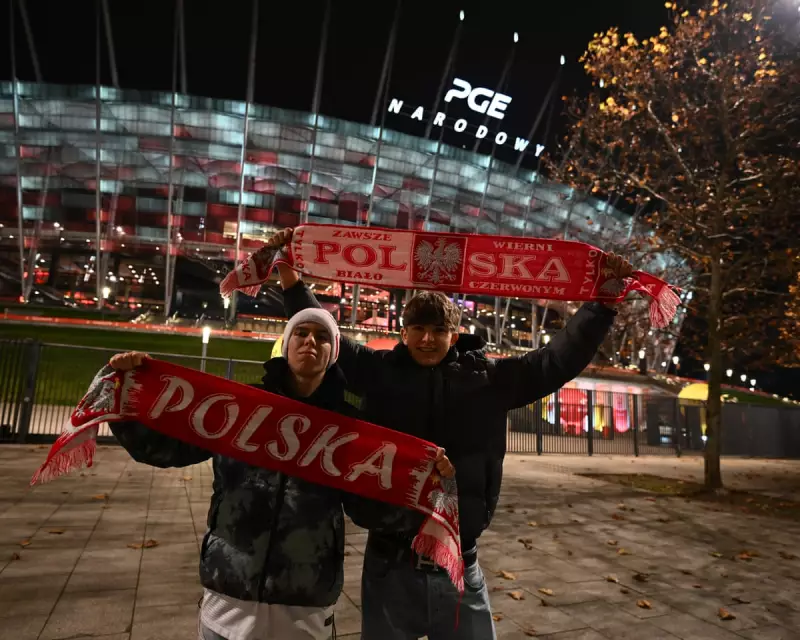
The Netherlands secured a hard-fought 2-1 victory against Poland while Croatia delivered a commanding 4-0 performance against the Faroe Islands in Friday's World Cup 2026 qualifying action, keeping both nations firmly in contention for tournament qualification.
Dutch Edge Past Determined Polish Side
In a tightly contested encounter, the Netherlands emerged victorious with a 2-1 scoreline against a Polish team that put up significant resistance throughout the match. The Dutch side, managed by Ronald Koeman, faced unexpected challenges against their Eastern European opponents who refused to make things easy despite the Netherlands' superior ranking and reputation.
The match saw moments of brilliance from both teams, with Poland demonstrating why they remain dangerous opponents in international football. However, the Netherlands' quality ultimately shone through as they secured three crucial points in their quest to reach the 2026 World Cup, scheduled to be held across the United States, Canada, and Mexico.
Croatian Dominance Against Faroe Islands
Meanwhile, Croatia delivered a comprehensive 4-0 victory against the Faroe Islands, showcasing their technical superiority and clinical finishing. The 2018 World Cup finalists controlled the game from start to finish, demonstrating why they remain one of Europe's most respected footballing nations.
The Croatian team, featuring established stars and emerging talents, systematically broke down the Faroe Islands' defence throughout the match. The convincing win provides Croatia with valuable goal difference advantage that could prove crucial in what promises to be a tightly contested qualification group.
Qualification Landscape Takes Shape
These results significantly impact the World Cup 2026 qualifying landscape as European nations continue their campaigns. The expanded 48-team format for the 2026 tournament means more qualification spots are available, but competition remains fierce among Europe's footballing elite.
Both the Netherlands and Croatia have positioned themselves strongly in their respective groups following these victories. The Dutch victory against Poland was particularly important given the competitive nature of their qualification group, while Croatia's dominant performance sends a clear message to their future opponents.
As the qualification process continues, these matches demonstrate that no victories can be taken for granted in European international football, with even traditionally smaller nations capable of causing problems for football's established powers.