MLS Bets on World Cup to Ignite Soccer Interest in the US
The 1994 World Cup had an undeniable impact on soccer in the United States, leading directly to the creation of Major League Soccer two years later. Now, as the 2026 World Cup approaches, MLS stakeholders are eager to harness this summer's tournament as "rocket fuel" for the league's growth. However, questions remain about whether such expectations are realistic, given historical data on post-World Cup bumps.
Historical Context and the Birth of MLS
In 1998, eight years before MLS debuted, the league received its first "World Cup bump" when FIFA awarded the 1994 tournament to the US with a stipulation: a competitive club league must be in place. Although organizers missed the 1994 deadline, MLS launched in 1996, becoming a direct byproduct of that World Cup. Executives recruited standout players from the tournament and stocked teams with US national team stars, ensuring the league's survival through initial excitement.
Since then, every four years, American soccer minds have attempted to capitalize on the idea that World Cups drive non-fans and casual viewers to the game, leading to increased interest in MLS. With the 2026 tournament marking the first World Cup in the US during MLS's history, league officials are particularly focused on maximizing its effect.
Commissioner's Vision and Statistical Realities
Commissioner Don Garber has frequently highlighted the World Cup as a major catalyst for growth, stating in a December address that it will "redefine what's possible for MLS and North American soccer." He has cited research suggesting a 15-to-20% increase in domestic league interest post-tournament. However, many studies, including those by University of Michigan professor Stefan Szymanski, show varied results. Szymanski's research on World Cup and Euros effects from 1966 onward found no consistent trend, with some tournaments boosting attendance, others having no impact, and some even decreasing it.
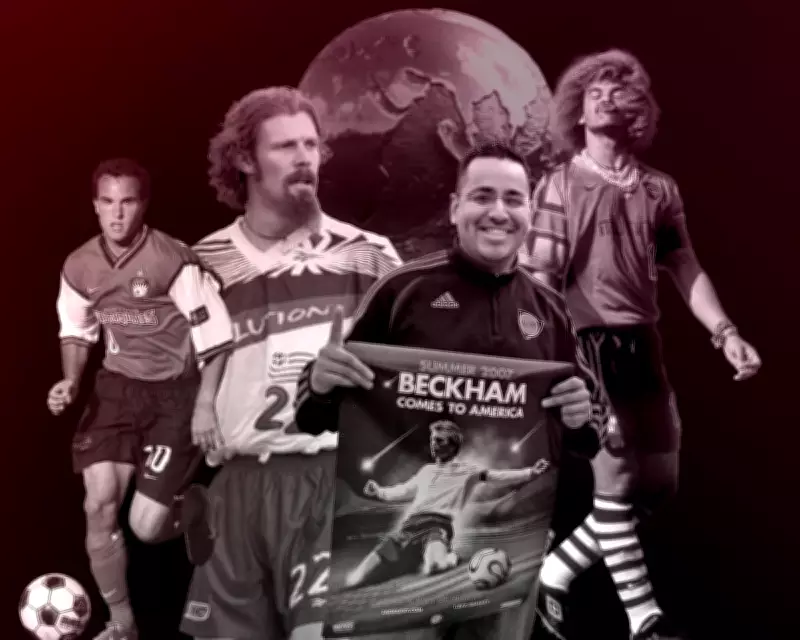
Garber frames the potential bump in terms of "relevance," a nebulous metric. Focusing on attendance, MLS has seen an average 9% rise in the year after a World Cup, though this is complicated by factors like expansion teams and high-profile signings, such as David Beckham's arrival in 2007. The league's ever-changing nature makes it difficult to isolate the World Cup's effect.
Marketing Efforts and Key Metrics
MLS is making its largest marketing investment ever, with an eight-figure spend this year. Chief marketing officer Radhika Duggal emphasizes a unified campaign across the league and clubs, focusing on brand interest and viewership. The goal is to convey that MLS is fun and welcoming, with calls to action centered on watching matches and filling stadiums. With 50 to 60 MLS players, including Lionel Messi, participating in the World Cup, the league expects a short-term boost in brand awareness.
Challenges with Viewership and Quality
A significant hurdle is viewership, as most MLS matches are behind a paywall on Apple TV, despite the platform's 45 million subscribers. Szymanski notes that while stadiums may be near capacity, the league lacks a substantial television audience. Additionally, the quality of play in MLS, though improved, may not match the World Cup standard, potentially deterring new viewers. This raises doubts about whether the tournament will generate lasting interest.
Tempered Expectations and Future Outlook
Recent remarks from Garber have softened the language around the World Cup's impact, acknowledging that MLS would have grown without it. The league's trajectory has been gradual, with events like Beckham's and Messi's arrivals providing boosts rather than transformative changes. After 2026, MLS will look to other events like the 2028 Olympics and 2031 Women's World Cup, but none are expected to be "rocket fuel."
In conclusion, while the 2026 World Cup may offer a temporary boost in notoriety and attendance, it is unlikely to fundamentally alter MLS's path. The league's growth will continue to depend on player development, community engagement, and strategic investments, rather than relying solely on tournament-driven excitement.