The dismissal of Ruben Amorim at Manchester United has triggered a familiar, and for many fans, frustrating response from the club's hierarchy. Instead of a bold, forward-thinking appointment, the Old Trafford decision-makers have once again retreated into the comforting embrace of nostalgia.
The Seinfeld Principle and United's Failure to Adapt
The situation brings to mind a classic episode of the sitcom Seinfeld, titled The Opposite. In it, the perpetually unsuccessful George Costanza realises every instinct he has is wrong. He decides to do the exact opposite of what his gut tells him, leading to immediate success in his career and personal life.
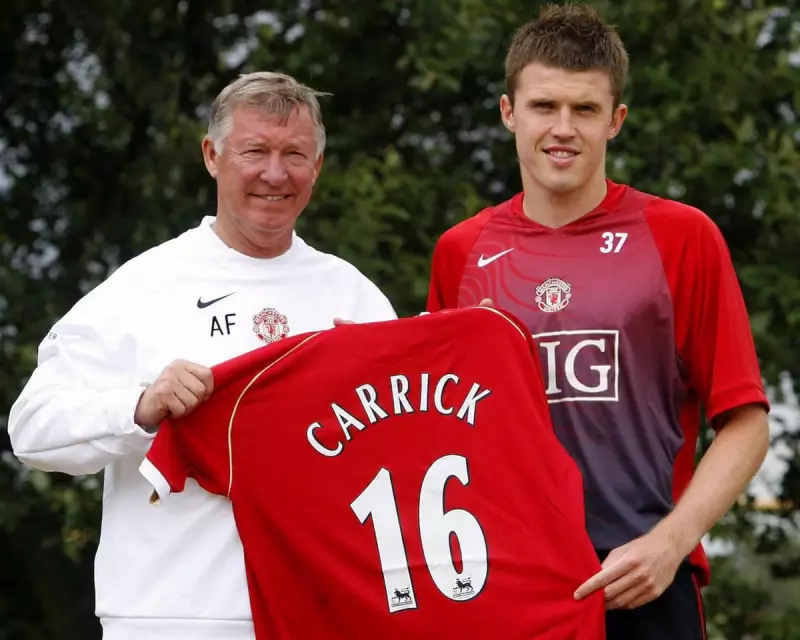
This parable of counter-intuitive logic seems lost on Manchester United's leadership. Following Amorim's exit, the club first placed Darren Fletcher in temporary charge, a move he revealed was advised by the club's eternal eminence, Sir Alex Ferguson. The process then culminated in the appointment of former midfielder Michael Carrick as the main interim boss until the season's end.
This "give it to a club legend" strategy is a well-worn path for United, having been used with Ole Gunnar Solskjær previously. It represents a failure to pull a "Costanza"—to ignore the instinct for crowd-pleasing, safe appointments and try a radically different approach.
Carrick's In-Tray and a Daunting Start
Carrick's reign begins under intense scrutiny, with a Manchester derby against City looming large. This match could set the tone for his temporary tenure. The former Middlesbrough manager has moved quickly to assemble his backroom staff, appointing Steve Holland, Jonny Evans, Jonathan Woodgate and Travis Binnion as his assistants.
The immediate objective is clear: salvage something from a disappointing season, potentially securing European qualification. However, this creates a potential dilemma. Should Carrick's team improbably defeat City and rally the squad, there will inevitably be calls for him to stay on permanently.
This could complicate United's summer plans, where high-calibre, proven managers like Xabi Alonso—recently departed from Real Madrid—are expected to be available. The club's process-obsessed brass, led by minority owner Sir Jim Ratcliffe, face a critical test of their strategic vision.
A Wider Pattern of Short-Termism
The Carrick appointment is symptomatic of a broader failure at Manchester United. Since Ferguson's retirement, the club has lurched from one short-term solution to another, lacking a coherent, long-term football philosophy. The reliance on figures from the glorious past often acts as a shield for the decision-makers, buying time with fans while deferring the harder questions about sustainable success.
As the summer approaches, the United hierarchy must finally decide whether to listen to their nostalgic instincts or, like George Costanza, have the courage to try the opposite. The future of one of the world's biggest clubs may depend on it.