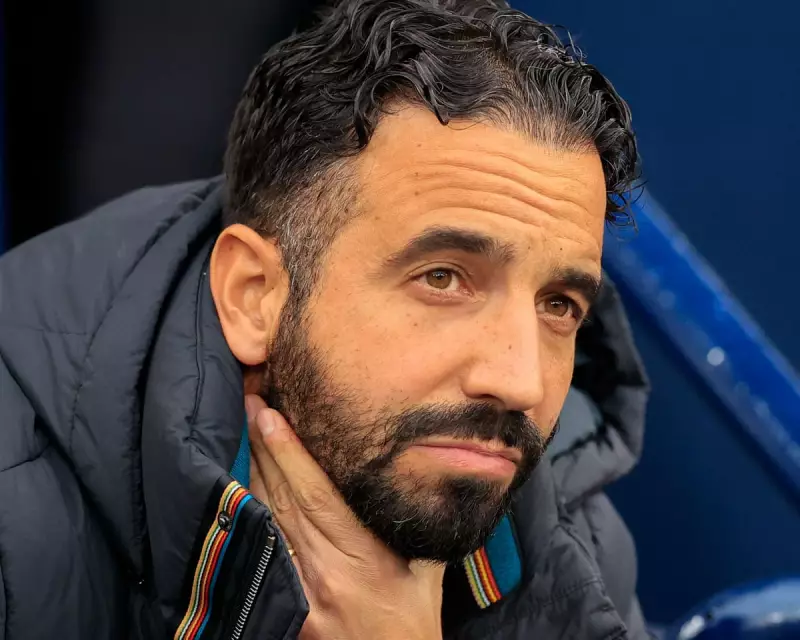
Manchester United have terminated the contract of head coach Ruben Amorim after just 14 months at the helm. The decision follows a significant breakdown in the relationship between the Portuguese coach and the club's hierarchy, centred on a power struggle over transfer strategy.
The Final Straw and a Public Outburst
The immediate catalyst for Amorim's dismissal was his public outburst following United's recent draw away at Leeds. Amorim demanded that the club's recruitment department "do their job", making clear his frustration at a perceived lack of backing in the January transfer window. He had believed the club would support him for a major signing if one became available, only to be told last Friday that there would be no changes to the squad.
This public criticism highlighted the strained relationship with director of football Jason Wilcox. Amorim, who was appointed on 1 November 2024 on a contract until June 2027, also indicated he would see out his deal but no longer, stating he would stay "at the longest, until my contract ends in 18 months."
A Tenure Defined by Struggle and Poor Results
Amorim's time at Old Trafford was marked by disappointing performances and internal conflict. He oversaw United's lowest-ever Premier League finish of 15th last season, accumulating just 42 points. He also lost the Europa League final. Despite a significant net spend of around £165 million last summer on players like Benjamin Šeško, Bryan Mbeumo, and Matheus Cunha, results failed to improve sustainably.
This season began poorly with a Carabao Cup exit to League Two's Grimsby. Although a recent upturn moved United to sixth in the table, they remain only four points above 14th place. Amorim won only 15 of his 46 Premier League games in charge. His unwavering commitment to a 3-4-3 formation, which brought him success at Sporting CP, was frequently questioned.
Clash of Visions and a Swift Conclusion
The core issue was a fundamental clash over control. Amorim stated, "I came here to be the manager of Manchester United – not to be the coach," highlighting his desire for traditional managerial authority. However, the club's leadership, under chief executive Omar Berrada and Wilcox, insisted their structure was "best in class" and that no head coach could outrank them.
United's statement on Monday cited the need for change to secure the "highest possible Premier League finish," thanking Amorim for his contribution. The club maintains he was fully backed, pointing to an approximate £250 million gross spend since his appointment. They lost confidence he was the right long-term solution, especially as players targeted for his specific system might not suit a future coach.
This marks the seventh full-time managerial change since Sir Alex Ferguson's retirement in 2013. Darren Fletcher will take temporary charge for the midweek fixture against Burnley as the search for a permanent successor begins.