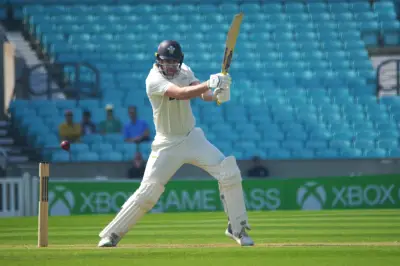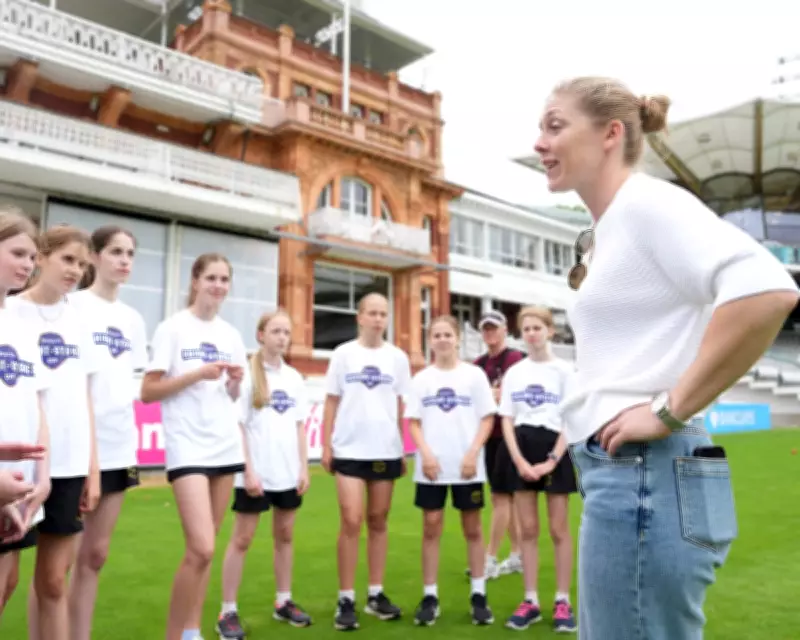
The Knight-Stokes Cup, a new national cricket competition for state-educated children, was launched last week at Lord's, aiming to counterbalance the longstanding elitist fixture between Eton and Harrow. Named after England cricketers Ben Stokes and Heather Knight, both state-educated, the tournament is open to all state schools in the UK, with around one-fifth already signed up. Approximately 1,100 boys' and 400 girls' under-15 teams will compete for a chance to play in the Finals Day on the main pitch at Lord's in September.
Addressing Inequality in Cricket
A report from the Sutton Trust charity last year found that 59% of professional male cricketers in England attended independent schools, making cricket one of the most privately educated professions in the country. Former England bowler Sajid Mahmood, who played 38 times for England, has spent the past eight years coaching state school students in west London. He emphasized the lack of cricket opportunities in state schools and his passion for leveling the playing field.
"I'm fully aware of state schools not really having cricket opportunities," Mahmood said. "That's where I came from, so it was important for me to give those opportunities to people who can't necessarily access good coaching or get an insight into what it takes to play professionally."
Facilities Challenges
The main impediment to state school cricket remains a lack of facilities. Mahmood's school, William Perkin Church of England High School, is fortunate to have an outdoor cricket pitch, four outdoor nets, and four indoor nets. However, many schools struggle. At Blythe Bridge High School in Staffordshire, there are no playing or training facilities, but they use local cricket clubs. At the Winston Churchill School in Surrey, matches are played on a worn artificial strip, and students wear PE kit instead of whites to avoid extra costs.
Playing regulations for the competition are intentionally loose to remove barriers. Mahmood highlighted the importance of private schools allowing state schools to use their facilities. "There's been close to 100 independent schools who have put their names forward," he said. "Living as neighbours, it's important that the independent schools allow state schools to use those facilities as well."
Ambitions for the Future
The tournament's primary aim is to broaden cricket's reach, with a secondary goal of unearthing talent. Ben Stokes hopes that in five or six years, several professionally contracted players will have come through the Knight-Stokes Cup. Mahmood agreed, noting that the competition could identify players not previously involved in county pathways.
"Towards the latter end of the tournament, we might see some really good players," Mahmood said. "I wouldn't be surprised if we find some who haven't been involved in any pathway and actually get earmarked for county cricket."
The MCC Foundation, organizing the competition, has installed a new honors board in the pavilion for winners. MCC president Ed Smith described the tournament as "a catalyst" rather than a complete solution. As Mahmood concluded, "The more we can get done, the more it goes from a box-ticking tournament to something that can actually make a real impact."