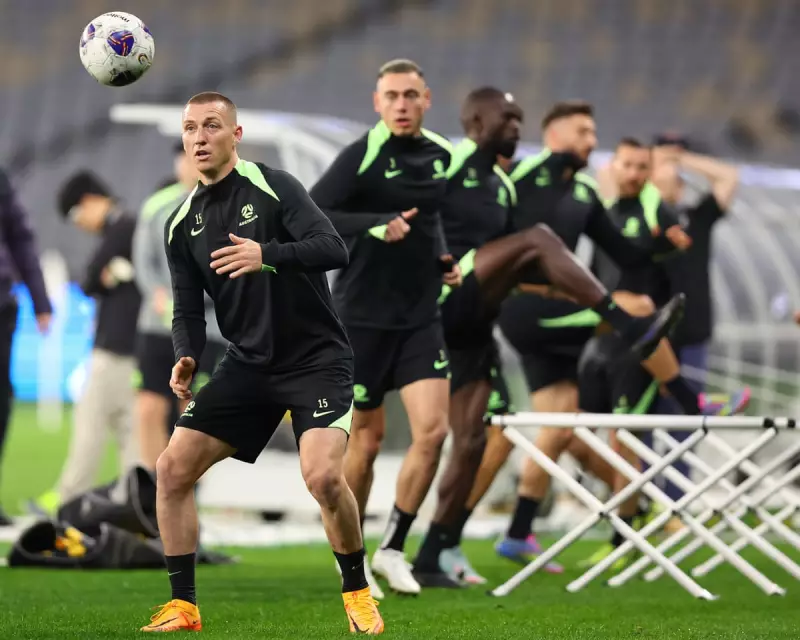
As the 2026 FIFA World Cup in North America draws closer, the Australian national football team is engaged in a critical mission that could define their tournament: finding the perfect base camp. With just six months until the global showpiece, key Socceroos staff have been meticulously scouting locations across the United States, Canada, and Mexico to secure a home away from home that offers the right blend of elite facilities, privacy, and good vibes.
The Complex Criteria for a Winning Base
The search is far from simple. Australia, having submitted their preferred options to FIFA this week, must navigate a complex allocation process. The governing body will assign base camps based on geography and world rankings by the end of January. Drawn to play their group stage matches on the west coast, the Socceroos have 16 regionalised camps in the official FIFA brochure to consider. However, they sit behind host nations the USA and Canada, as well as higher-ranked sides like Switzerland, Belgium, and Iran in the pecking order.
The decision-making process involves significant trade-offs. Assistant coach Hayden Foxe revealed a preference for smaller cities that offer privacy and a relaxed environment, allowing the squad to focus. "We would prefer more privacy, especially when it comes to the base camp," Foxe said. "You need some moments away where you can then relax and switch off."
Potential locations each come with their own pros and cons:
- Southern California or Tijuana: Idyllic settings but would require at least a three-hour flight to games in Vancouver and Seattle.
- Phoenix or Tucson: World-class facilities but potentially fierce Arizona heat.
- Boise or Salt Lake City: Serene and close to match venues, but involve a different time zone.
- San Jose or Oakland: No flight needed for a game in San Francisco, but are high-profile and in high demand.
An Obsession with Detail: From Pillows to Coffee Beans
For detail-oriented head coach Tony Popovic and the Football Australia staff, no element is too small to scrutinise. During an exhaustive December scouting trip along the west coast, everything was pored over. Quality of sleep and diet are paramount, with even the pillows in potential hotels being assessed. Team chef Vini Capovilla examined the local produce available, ensuring elite performance is supported by elite preparation.
With the squad potentially spending six weeks or more at their base, creature comforts are vital for morale. The importance of coffee, a non-negotiable for the team, was highlighted by their decision to fly a barista and beans to the 2022 World Cup in Qatar. Players are routinely supplied with lists of quality roasters when travelling.
"The process is a lot," admits Foxe. "You have restrictions, what you can do, what hotels you can go to, what training facilities you can go to... There's a lot of different details, and there's a lot of groundwork."
A Global Scramble for Advantage
Australia is not alone in its meticulous planning. Other nations are tailoring their searches to specific tactical needs. South Korea's coach Hong Myung-bo is seeking a Mexican base for high-altitude adaptation, while Scotland's Steve Clarke wants a "hot, sticky and humid" preparatory camp. France aims for New York but must negotiate with MLS clubs for training ground access, and England risk losing their preferred spot in Kansas City to the Netherlands.
For the Socceroos, the final choice must balance logistics, performance, and squad psychology. The heightened security of a World Cup will limit the casual wandering allowed on other trips—like when Harry Souttar and Riley McGree bought cowboy hats in Dallas—making it essential to find a base where players can feel at ease and avoid cabin fever.
As the January deadline looms, the Socceroos' search for a North American home is a high-stakes puzzle. Finding the right piece—a place with the perfect pitch, the right pillow, and a great cup of coffee—could provide the secret ingredient for a historic World Cup campaign.