
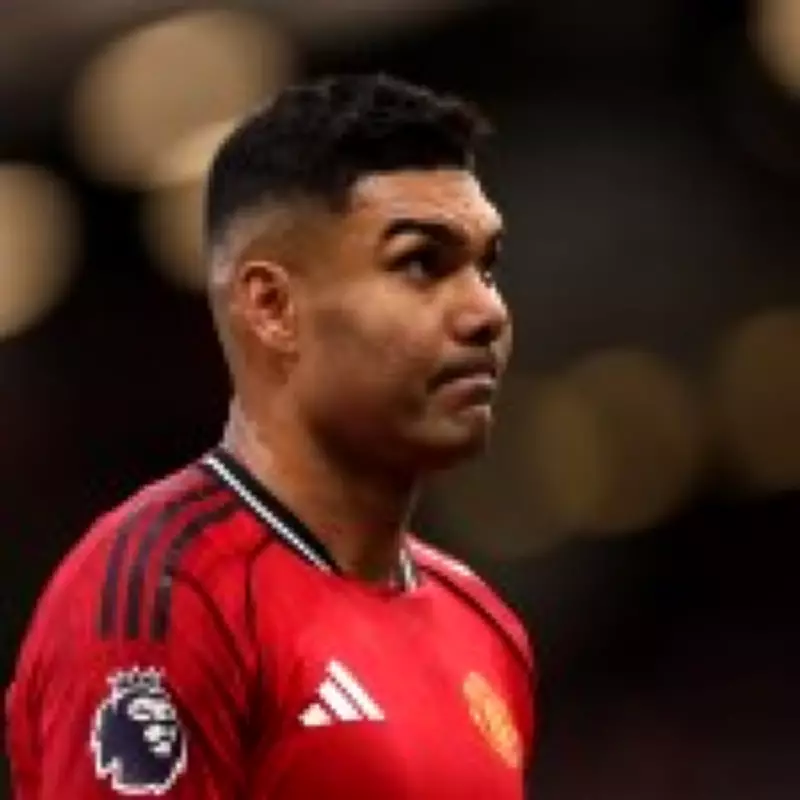
Manchester United midfielder Casemiro is set to leave the club at the end of the current season, with reports indicating the Brazilian star felt 'disrespected' by a comment from a senior figure at Old Trafford. The 34-year-old will depart on a free transfer in the summer, concluding his four-year tenure with the Red Devils.
The Rollercoaster Ride at Old Trafford
Casemiro's time at Manchester United has been marked by significant fluctuations in form and performance. The former Real Madrid midfielder enjoyed a strong start to his Premier League career, experienced a notable dip in form during the 2024 season, but has recently shown a resurgence under interim manager Michael Carrick.
During his recent resurgence, Casemiro has formed an impressive midfield trio alongside Kobbie Mainoo and Bruno Fernandes, becoming a fixture in Carrick's starting lineup. This comeback is particularly notable given that Manchester United attempted to offload the Brazilian in 2024 when his form had deteriorated, hoping to remove his substantial £350,000-a-week wages from their financial books.
The Ratcliffe Comments That Stung
According to reports from The Sun, Casemiro's decision to leave stems from feeling disrespected by minority owner Jim Ratcliffe. In a headline-grabbing interview with the BBC in March 2025, Ratcliffe expressed frustration about Manchester United still paying for transfer deals completed before INEOS invested in the club.
While discussing the club's financial commitments, Ratcliffe specifically mentioned Casemiro among several players, stating: 'If you look at the players we are buying this summer, that we didn't buy, we're buying Antony, we're buying Casemiro, we're buying [Andre] Onana, we're buying [Rasmus] Hojlund, we're buying [Jadon] Sancho. These are all things from the past, whether we like it or not, we've inherited those things and have to sort that out.'
Ratcliffe further elaborated on the squad situation, adding: 'Some are not good enough and some probably are overpaid, but for us to mould the squad that we are fully responsible for, and accountable for, will take time. We've got this period of transformation where we move from the past to the future.'
Casemiro's Future Plans and Current Focus
The Sun's report indicates that Casemiro intends to continue his professional career in a top European league after departing Manchester United. The midfielder is expected to feature in Brazil's World Cup squad this summer and is reportedly keen on a move to Italy, which would mark his first experience playing in Serie A.
Despite the impending departure, Casemiro remains committed to Manchester United for the remainder of the season. In a statement last month, the Brazilian midfielder expressed his enduring connection to the club: 'I will carry Manchester United with me throughout my entire life. From the first day that I walked out at this beautiful stadium, I felt the passion of Old Trafford and the love that I now share with our supporters for this special club.'
Casemiro emphasized his current focus, stating: 'It is not time to say goodbye; there are many more memories to create during the next four months. We still have a lot to fight for together; my complete focus will, as always, remain on giving my everything to help our club to succeed.'
The Broader Context of Manchester United's Transformation
Ratcliffe's comments reflect the broader challenges facing Manchester United as the club undergoes a significant transformation under new ownership. The minority owner acknowledged the process would take time, noting: 'There are some great players in the squad as we know, the captain is a fabulous footballer. We definitely need Bruno, he's a fantastic footballer.'
This situation highlights the delicate balance football clubs must maintain between financial management, squad rebuilding, and player relations. Casemiro's departure represents both the end of an era for the Brazilian at Old Trafford and a symbol of the ongoing changes within the Manchester United organization as they seek to move beyond what Ratcliffe described as 'inherited' problems from previous management regimes.