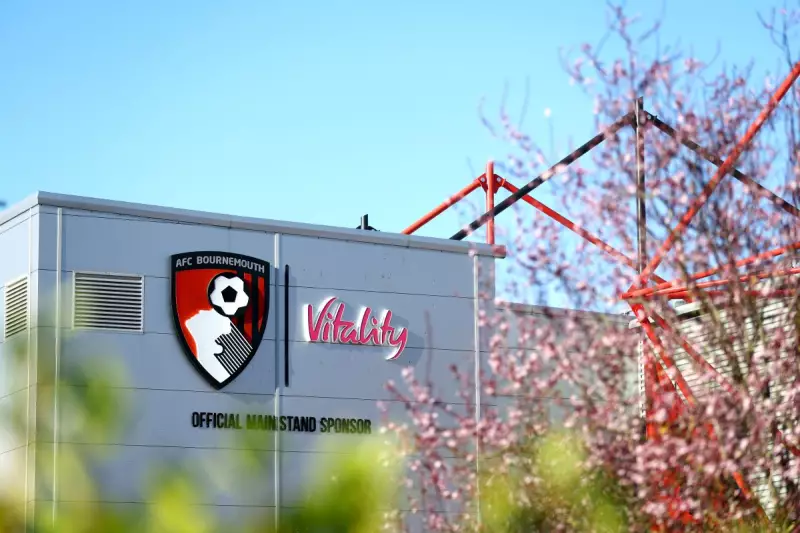
In a significant development for Premier League football, AFC Bournemouth has received official planning permission to commence the initial phase of a transformative £90 million redevelopment of their Vitality Stadium. This ambitious project, set to be completed next year, will dramatically increase the ground's capacity to more than 20,000 seats, addressing its current status as the smallest venue in the top flight.
Planning Permission Granted for Major Expansion
The local council has granted approval for what are termed "enabling works," marking the first step in a three-phase construction plan. Bournemouth owner Bill Foley described this decision as "an exciting and important moment for the club." He emphasised that the new stadium design reflects both the club's sporting ambitions and its dedication to community investment, promising long-term benefits for supporters, local residents, and the wider Bournemouth, Christchurch, and Poole region.
Detailed Phases of the Redevelopment
The initial enabling works will involve several key installations: perimeter fencing and turnstiles, a new outside broadcast area, and the enclosure of terraces within the West Stand. Following this, later in the year, the club plans to demolish and completely rebuild the South Stand. This phase, along with subsequent work in the corner areas, is projected to add over 8,000 additional seats to the stadium's capacity.
The final stage of the project will focus on expanding the North and East Stands both horizontally and vertically. Once completed, this comprehensive redevelopment will nearly double the stadium's capacity from its current 11,300 seats to approximately 20,200, providing a much-needed upgrade to match the club's Premier League status.
Addressing Historical Infrastructure Gaps
The Vitality Stadium's limited capacity has long been a point of discussion, as it comfortably holds the lowest seat count in the Premier League and is only slightly above the average for League Two. This discrepancy highlights Bournemouth's rapid ascent from the fourth tier to the top flight between 2010 and 2015, a rise that outpaced the development of the club's facilities.
Since acquiring the club in 2022, American owner Bill Foley—who also holds stakes in teams across France, Portugal, Croatia, and New Zealand—has prioritised stadium improvements. Post-redevelopment, the Vitality Stadium will still have a lower capacity than most Premier League clubs, with only Brentford's Gtech Community Stadium, accommodating 17,250, being smaller among current top-flight venues.
Broader Trend in Premier League Stadium Upgrades
Bournemouth joins a growing list of Premier League sides undertaking or considering significant stadium revamps. This trend includes high-profile clubs such as Manchester United, Manchester City, Arsenal, Chelsea, Newcastle United, Leeds United, Crystal Palace, and Nottingham Forest. Notably, Liverpool, Everton, and Fulham have already completed similar redevelopment projects, underscoring a league-wide focus on enhancing fan experience and infrastructure.
The £90m investment in Bournemouth's stadium not only aims to boost matchday revenues and supporter amenities but also signals the club's commitment to long-term growth and competitiveness in English football's elite division.