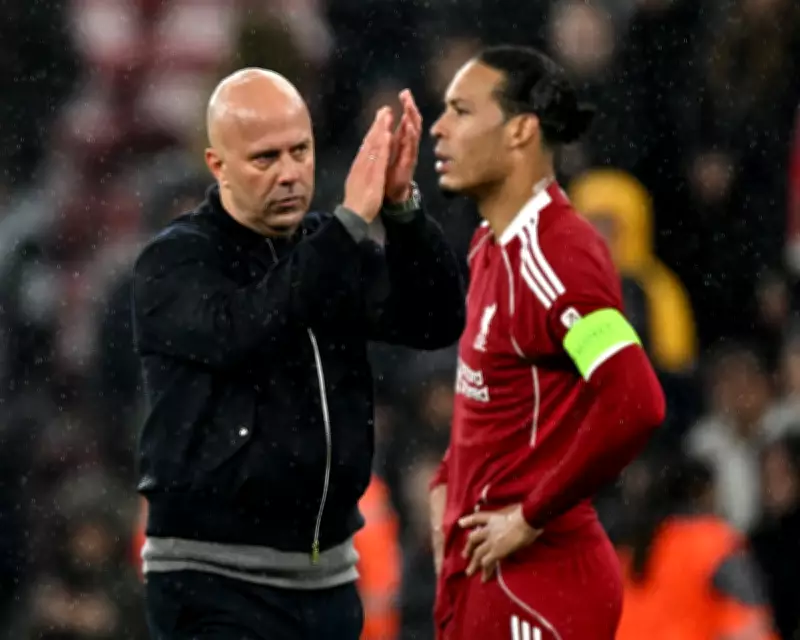
Arne Slot had specifically requested that Anfield reach its maximum volume for this crucial European night, but even the legendary stadium's famous atmosphere proved insufficient to propel Liverpool past a clinical Paris Saint-Germain side. The stage had been perfectly set for one of Liverpool's trademark comeback evenings, complete with early drizzle transforming into torrential rain and passionate renditions of "You'll Never Walk Alone" echoing through the stands. However, this particular Liverpool team facing these specific European champions simply couldn't summon the required magic.
The Weight of History and Present Reality
Liverpool's storied history at Anfield has created an undeniable mythology around the ground's ability to influence matches. Past triumphs, particularly the unforgettable 2019 comeback against Barcelona from a 3-0 deficit, have established a powerful precedent that fuels belief among players and supporters alike. Great stadiums develop distinct identities and personalities that can affect outcomes, but no arena possesses unlimited capacity for producing miracles. A football club cannot simply surrender responsibility to its home ground and expect the stadium to compensate for deficiencies in player performance, tactical planning, or executive decision-making.
PSG's Ruthless Efficiency Proves Decisive
The fundamental reality was that this Champions League tie had essentially been decided during the first leg in Paris the previous week. Even if Liverpool had managed to mount a significant challenge during the return fixture, PSG's superiority throughout both matches would have remained undeniable. Liverpool actually performed better than many anticipated, applying more consistent pressure to PSG's defense than they managed during previous encounters, including last season's penalty shootout defeat that somehow feels less damaging than this 4-0 aggregate loss.
This represented one of Liverpool's stronger performances in recent weeks, yet in isolation it could be dismissed as simply being outclassed by superior opposition over two legs. Every match exists within broader context, however, and this elimination denies manager Arne Slot what might have been his most obvious potential escape route from mounting pressure. The game might have unfolded differently had PSG goalkeeper Matvey Safonov not produced a crucial save from Milos Kerkez, followed immediately by Marquinhos' spectacular block on Virgil van Dijk's effort around the thirty-minute mark.
Injury Woes Compound Liverpool's Problems
A pivotal moment occurred just one minute before those saves when Liverpool's most lively early attacker, Hugo Ekitiké, slipped without any contact and appeared to seriously damage his Achilles tendon. The distressing scene saw Ekitiké attempt to stand three separate times before collapsing each time, eventually requiring a stretcher to leave the pitch. While medical scans might later reveal a more optimistic prognosis, the body language of surrounding players and medical staff suggested a significant injury that potentially threatens his World Cup participation.
This incident highlighted Liverpool's broader strategic questions, as this marked only the third time all season that Ekitiké and Alexander Isak had started together as a strike partnership. Isak himself was a calculated risk, making his first start in five months as Slot desperately sought attacking solutions. The manager admitted he didn't expect Isak to complete the match and substituted him at halftime, but Ekitiké's earlier injury had already dismantled the planned partnership. These three summer signings—Ekitiké, Isak, and Florian Wirtz—arrived for a combined £320 million but have shared the field for merely 117 total minutes, telling a revealing story about Liverpool's disjointed planning.
The Changing Face of Liverpool's Attack
With Ekitiké injured and replaced by Mohamed Salah, conditions seemed ideal for one final magnificent Anfield European performance from the Egyptian superstar. However, the current version of Salah differs substantially from the prolific forward of previous seasons. While he displayed occasional flashes of his former brilliance with some clever touches, numerous promising situations evaporated as the ghost of what Salah might have accomplished in past years was repeatedly dispelled by present-day reality.
By the match's conclusion, Liverpool's past merged symbolically with its future as young substitute Rio Ngumoha offered brief glimpses of his technical ability, including one dangerous cut inside from the left that forced another good low save from Safonov. But Ngumoha had scarcely begun influencing proceedings when Ousmane Dembélé delivered the knockout blow that definitively ended the contest.
The Fundamental Difference Between Champions and Challengers
Beyond their impressive movement and intricate combination play, PSG demonstrated a ruthless decisiveness in front of goal that Liverpool has conspicuously lacked throughout this entire campaign. The European champions displayed the clinical edge required at football's highest level, while Liverpool repeatedly faltered in critical moments. Anfield unquestionably delivered everything possible from a vocal and atmospheric perspective, with both sets of supporters generating boisterous noise throughout the windy, rain-soaked evening. Ultimately, however, no stadium atmosphere can transform a disjointed team experiencing misfortune into one capable of defeating the reigning champions of Europe.
Liverpool progressed one round further in this season's Champions League compared to their previous campaign, yet few observers would characterize this as an overall improvement. The aggregate scoreline appears particularly harsh, but it accurately reflects PSG's superiority across both legs. While this defeat might not immediately endanger Arne Slot's position as manager, it certainly eliminates the most obvious potential redemption narrative available to him. Sometimes even the most legendary football stadiums cannot compensate for the gap that exists between European champions and those aspiring to challenge them.