2026 World Cup Unveils $95 Bus Rides and Record Ticket Costs
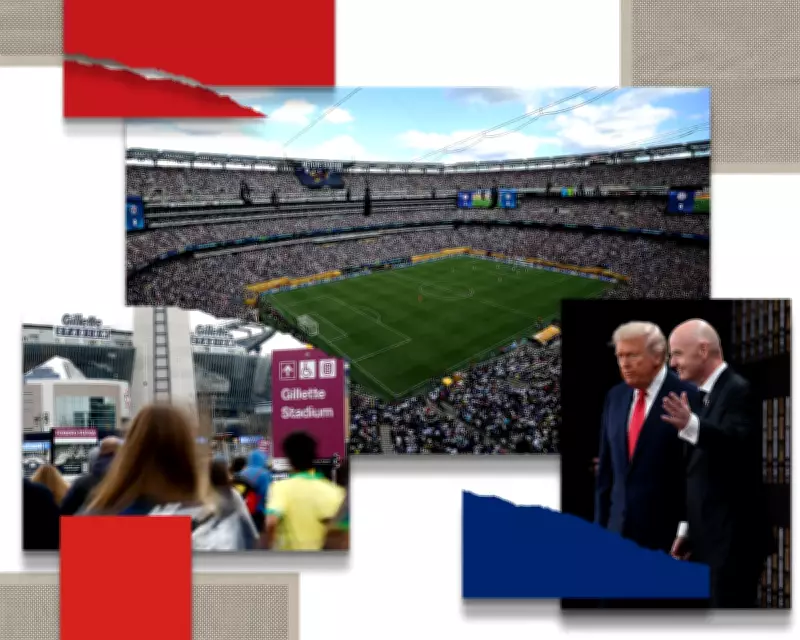
The 2026 World Cup, set to unfold across iconic venues like Gillette Stadium and MetLife Stadium, is already making headlines for all the wrong reasons. With key figures such as Donald Trump and Gianni Infantino involved, this tournament is shaping up to be a masterclass in corporate greed and fan exploitation.
Exorbitant Transportation Fees Spark Outrage
A recent announcement revealed that a half-hour bus journey from south Boston to Foxborough will cost fans a staggering $95. This isn't a luxury service with premium amenities; it's a standard bus ride offering nothing more than a drop-off point a 15-minute walk from the stadium. The rationale? Organizers can charge it because they have a captive audience, and the World Cup is a once-in-a-lifetime event for many.
Alternatives are equally punishing. Parking spaces are priced at $129, escalating to $199 for quarter-finals, while taxis are even more expensive. Friends with cars are barred from dropping off passengers, leaving fans with few options but to pay up.
FIFA's Financial Model: A Mob-Style Shakedown
This isn't an isolated incident. In New York, New Jersey Transit plans to charge over $100 for a train shuttle to MetLife Stadium. The root cause is FIFA's financial model, which siphons off all ticket, broadcast, merchandising, and even parking revenue, while host cities bear infrastructure costs like security and fan parks.
Gianni Infantino, FIFA's president, has openly praised the secondary ticket market, where FIFA takes a 15% cut on resales. This approach turns the tournament into a profit-maximizing machine, with little regard for fan experience.
A Tournament Built on Contempt for Fans
The 2026 World Cup stands out as uniquely hostile to spectators. Beyond pricing, travel bans for countries like Côte d'Ivoire and Iran, along with stringent U.S. immigration checks, add layers of difficulty. Unlike previous editions focused on sportswashing, this event seems designed to extract every possible dollar from attendees.
Ticket prices are astronomical, with England vs. Croatia seats at $516 and final tickets reaching $8,333—believed to be the most expensive in football history. Dynamic pricing models further inflate costs, making the event inaccessible to many.
The Broader Implications for Football and Beyond
This tournament exposes a harsh truth: the powerful in football hold fans in contempt. The expansion to 48 teams and extended duration only exacerbate issues, with players exhausted and fans financially drained. Calls for boycotts or FA intervention seem futile against FIFA's entrenched greed.
In a perverse way, FIFA's blatant avarice serves as a wake-up call. It strips away any illusion that modern football prioritizes its community, revealing a late-capitalist heart that views fans as mere revenue streams. As the 2026 World Cup approaches, it's clear this event will be remembered not for sporting glory, but for its relentless exploitation of the very people who make football great.