
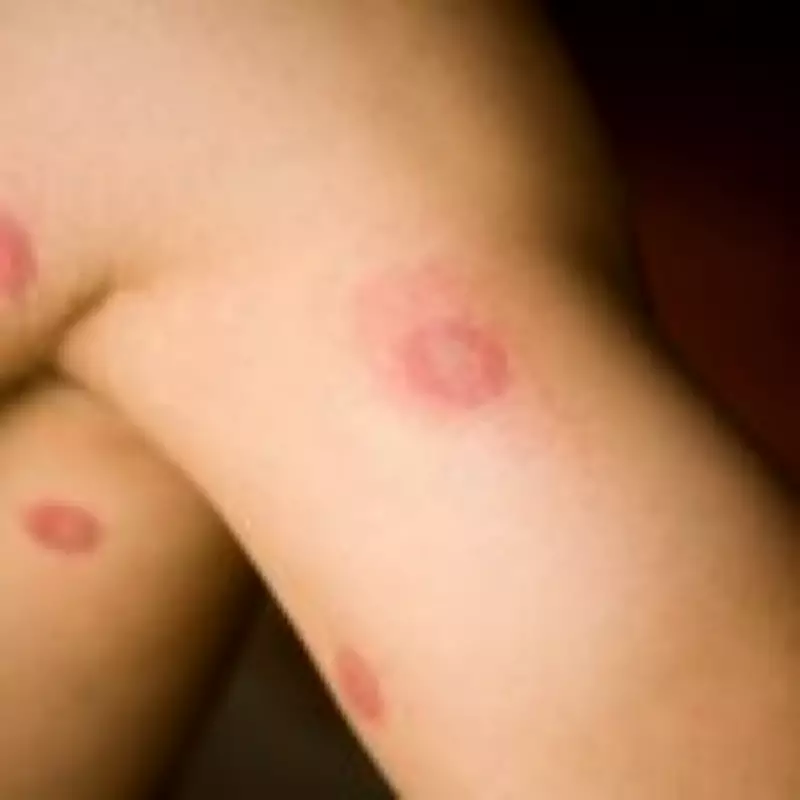
Ringworm Infections Surge Across UK, With Gyms and Barbershops as Major Hotspots
Ringworm, a fungal infection that might sound like a relic from the past, is experiencing a concerning resurgence throughout the United Kingdom. Current estimates indicate that between 10% and 20% of the population will contract this infection at some point in their lifetime, with rates climbing in recent years. This increase is partly attributed to the spread of highly contagious and treatment-resistant strains of the fungus.
Barbershops and Gyms: Primary Transmission Zones
Two environments have emerged as critical centers for the transmission of ringworm: barbershops and fitness centers. A significant spike in cases during late 2024 was linked to close-contact grooming and unhygienic practices within the hairdressing industry.
Mike Taylor, owner of a barber training academy based in Dorset, reported a noticeable increase in customers presenting with ringworm. He attributed this trend to the proliferation of what he described as 'cheap, dirty, unqualified barbershops littering the high streets,' which he claimed were infecting young men in large numbers.
Popular hairstyles like the 'skin fade' have also been implicated. This style involves shaving hair down to the scalp, which can facilitate the spread of fungus through clippers that are not properly sanitized between clients.
Meanwhile, gyms provide an equally fertile ground for ringworm. The combination of shared equipment, frequent skin exposure, and increased sweat creates ideal conditions for the fungus to pass from person to person. As more people prioritize health and fitness, gyms have become busier and more humid, inadvertently accelerating the spread of tinea—the medical term for ringworm—especially when equipment cleaning protocols are inadequate.
The Silent Spread: Many Don't Realize They're Infected
A major complicating factor in controlling the outbreak is the frequent misidentification of ringworm. Many individuals mistake the characteristic red, circular rash for less contagious conditions like eczema, dermatitis, or simple allergic reactions.
Dr. Babak Ashrafi from Superdrug Online Doctor clarifies a common misconception: 'Despite the name, ringworm has nothing to do with worms. It's a common fungal infection of the skin that can cause a red, circular, or scaly rash often appearing on the arms, legs, or torso.'
Dr. Clair Grainger, also from Superdrug Online Doctor, emphasizes that ringworm is often overlooked in its early stages. 'Everyday infections like ringworm are extremely common and very treatable,' she states. 'But confusion can arise because the early symptoms can resemble eczema.' This misdiagnosis is problematic because ringworm requires specific antifungal treatments, whereas eczema is typically managed with moisturizers or steroid creams. Using the wrong treatment can prolong the infection.
'One of the biggest clues is when a rash doesn't improve with the treatment you'd normally use,' adds Dr. Grainger. 'For example, steroid creams may temporarily reduce redness if a rash is fungal, but they won't treat the infection itself and can sometimes allow it to persist underneath.'
In gym environments, minor skin irritations are often dismissed as friction burns or sweat rashes, allowing ringworm infections to circulate unnoticed for extended periods. Consequently, the actual number of cases is likely far higher than official statistics suggest.
Understanding Ringworm Symptoms and Prevention
Ringworm, or tinea, is a dermatophyte infection affecting keratinized tissues like skin, hair, and nails. It manifests in various forms depending on the body part affected:
- Tinea corporis (body)
- Tinea cruris (groin, often called 'jock itch')
- Tinea pedis (foot)
- Tinea capitis (scalp)
- Tinea unguium (nail)
Dr. Grainger describes the typical presentation: 'Ringworm typically appears as an itchy, red rash with a slightly raised, scaly edge that gradually spreads outward, sometimes forming a ring shape.' Warm, humid conditions increase the risk, particularly for those who sweat frequently, use public sports facilities, or participate in contact sports.
Transmission commonly occurs through everyday exposure to shared items like towels, gym equipment, clothing, or contact with damp communal areas such as changing rooms, rather than solely through direct skin contact.
To prevent the spread of ringworm, health authorities recommend several key measures:
- Begin treatment promptly if an infection is suspected.
- Wash towels and bedsheets regularly.
- Avoid sharing personal items like towels, combs, or bedsheets with an infected person.
- Refrain from scratching the rash to prevent spreading it to other body parts.
- Maintain skin cleanliness and wash hands after contact with animals or soil.
- Conduct regular skin checks after potential exposure to an infected person or animal.
Distinguishing Ringworm from Eczema
Differentiating between ringworm and eczema is crucial for effective treatment. Dr. Grainger explains that eczema is a chronic inflammatory skin condition, not an infection. 'It usually presents as dry, irritated patches of skin that may crack, flake or become very itchy,' she says. 'It isn't contagious and tends to flare up in response to triggers such as stress, allergens, harsh skincare products or changes in temperature.'
The fundamental difference lies in their causes: eczema results from a weakened skin barrier and underlying inflammation, whereas ringworm is caused by a fungal organism.
Medical advice should be sought if a rash is spreading, persistent, or fails to improve after one to two weeks of treatment. The key is to avoid panic while also not ignoring unresolved symptoms.