
The Unregulated Rise of Reformer Pilates and Its Dangerous Consequences
The explosive growth of reformer pilates across the United Kingdom has created what industry experts are calling a "wild west" of fitness studios, where inadequate regulation and insufficient instructor training are leading to a concerning increase in injuries among participants. Professional standards bodies have issued stark warnings about the risks facing fitness enthusiasts who engage in these popular classes without proper safeguards in place.
What Is Reformer Pilates and Why Has It Become So Popular?
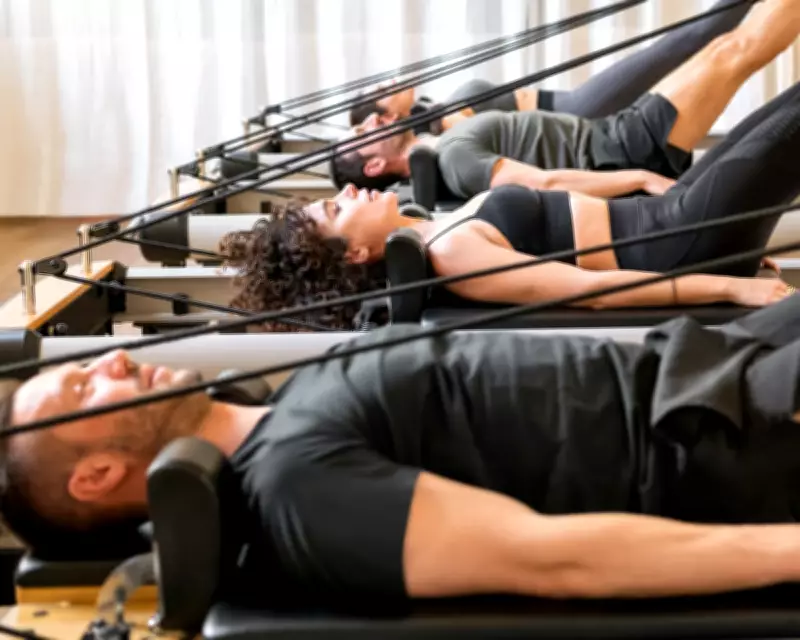
Reformer pilates represents a specialized form of exercise performed on a distinctive machine featuring a sliding carriage, adjustable springs, straps, and a foot bar that provides controlled resistance throughout movements. This low-impact, full-body workout has gained significant traction for its ability to strengthen, stretch, and stabilize muscles in ways that traditional mat-based pilates cannot achieve. Advocates praise its comprehensive approach to fitness and rehabilitation.
However, this popularity has come at a price. With single drop-in sessions in London ranging from £20 to £37, the financial incentives have attracted numerous businesses to enter the market, often without adhering to traditional pilates methods or maintaining proper safety standards. This commercial explosion has created a growing divide within the industry, pitting traditional instructors against newer studios that argue they are making the practice more accessible.
The Alarming Safety Concerns and Real Injury Cases
Michael King, a founding member of the Society for the Pilates Method and chair of a pilates steering group for EMD UK, expressed grave concerns about the current landscape. "Someone could open a pilates studio tomorrow with little or no formal training," King stated, highlighting the complete absence of legal regulation governing who can call themselves a pilates instructor in the UK.
The consequences of this regulatory vacuum have manifested in disturbing real-world incidents. Kirsty Morgan, a 30-year-old pilates teacher from Essex, endured a terrifying accident when a 20kg metal tower attached to a reformer machine dislodged during a demonstration and struck her head. She required seven hours in A&E, a tetanus shot, and four layers of stitches in her hairline, with medical professionals warning that an impact to her temple could have been fatal.
In another high-profile case, acclaimed violinist Maya Meron suffered career-ending injuries when a proprietary reformer machine collapsed at a London studio, breaking her left elbow and causing severe abdominal damage. The court ultimately ruled largely in her favor during subsequent legal proceedings.
Industry Shortcuts and the Erosion of Standards
Leigh Robinson, director of the Society for the Pilates Method, explained how qualification standards have deteriorated alongside the reformer pilates boom. "Traditionally, within the UK market, there has been a Level 3 pilates standard focused on mat work," Robinson noted. "However, the pilates landscape has changed considerably. Many teacher training courses now take place almost entirely online, and many operators no longer ask for Level 3 qualifications."
This shift toward expedited training has created dangerous scenarios in practice. King pointed to large health club chains running reformer classes with 20 or 25 machines in a single room supervised by just one instructor. "From a safety perspective, that is deeply concerning," he emphasized.
Sarah-Jane Walls, a qualified podiatrist and pilates teacher based in Glasgow, reported seeing numerous "trauma injuries" and people falling off machines during unsafe practices. She also identified recurring issues with neck pain resulting from improper technique, including over-recruitment of neck muscles instead of proper core engagement.
The Call for Quality Assurance and Proper Regulation
The Pilates Teacher Association has criticized what it describes as "an unconsciously uninformed qualification system increasingly driven by commercial interests" behind the glossy marketing of reformer studios. Meanwhile, the Society for the Pilates Method is advocating strongly for "quality assurance" measures that would allow the public to feel confident in the studios they visit.
Philippa Wheeler, a solicitor at law firm Leigh Day, which is investigating a claim against a major retailer regarding reformer pilates equipment, stressed the importance of safety accompanying growth. "Studios should not cut corners when it comes to training their teachers, purchasing their equipment and maintaining that equipment," Wheeler asserted. "Unsafe reformer machines, or poor guidance on how to use them, could cause life-changing injuries."
As reformer pilates continues its rapid expansion across the UK fitness landscape, the urgent need for standardized regulation, proper instructor certification, and equipment safety protocols has never been more apparent. Without these crucial safeguards, experts warn that the current "wild west" environment will continue to put participants at unnecessary risk of serious injury.