
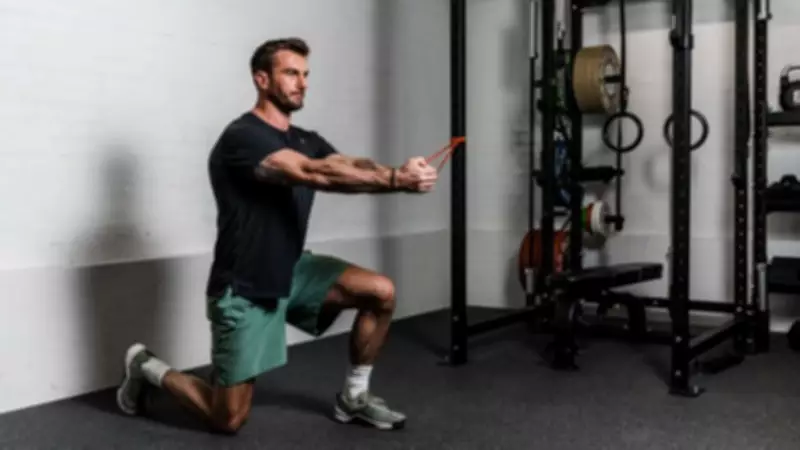
Personal Trainer Luke Worthington on Earning Six Figures and Fitness Essentials
In an exclusive interview with the Money blog, personal trainer Luke Worthington, who specializes in physical preparation for TV and film, reveals the realities of a career in fitness, including salary expectations, common myths, and practical advice for clients and aspiring trainers.
Earnings and Career Progression in Personal Training
Luke Worthington explains that entry-level personal trainers in commercial gyms typically earn between £25,000 and £35,000 annually. However, he notes that early career stages often involve unsociable hours, such as early mornings, evenings, and weekends, as trainers work when clients are free. With experience and a proven track record, earnings can rise significantly to £60,000-£80,000. At the higher end, especially in London or for trainers with specialized expertise, six-figure salaries are achievable. Worthington himself, with over 25 years and 30,000 hours of experience in the industry, operates in this upper echelon, focusing on training actors for on-screen roles.
The Business Side of Being Self-Employed
Being self-employed as a personal trainer offers autonomy but requires managing multiple roles beyond just delivering sessions. Worthington emphasizes that trainers must handle sales, marketing, IT, finance, and administrative tasks. He started his career at a local leisure center, cleaning treadmills and setting up badminton courts, before moving into personal training while studying sport science and biomechanics.
Weekly Routine and Client Coordination
Worthington typically delivers 15 to 20 hours of face-to-face sessions weekly, but this is only part of the job. Each session requires prior planning and programming. In his niche, coordination with directors, producers, medical teams, hair and makeup departments, and stunt coordinators is often necessary to ensure seamless preparation for film and TV roles.
Debunking Fitness Myths and Social Media Trends
One problematic fitness myth Worthington highlights is the belief that certain exercises can make individuals "long and lean." He clarifies that limb length and bone structure are fixed, and what people usually aim for is fat loss and improved posture, best achieved through structured resistance training and diet. He warns against copying elaborate movements from social media without understanding their intent or risks, noting that exercises are appropriate only based on an individual's strength, mobility, and experience.
Essential Exercise and Weight Loss Advice
For the most effective exercise with long-term benefits, Worthington recommends structured, progressive resistance training. This improves body composition, strength, joint mobility, bone density, injury prevention, and metabolic health. Regarding weight loss, he advises distinguishing between weight loss and fat loss, emphasizing that simply eating less may reduce weight but not necessarily fat. Prioritizing protein intake and incorporating resistance training are key for health and body composition. He also stresses the importance of sleep, as poor sleep disrupts appetite regulation and increases cravings.
Simple Fitness Structure and Daily Movement
A practical fitness structure suggested by Worthington includes two to three resistance training sessions per week, focusing on full-body compound movements like pushing, pulling, squatting, lunging, and hinging. Additionally, two sessions of low-intensity cardio, such as brisk walking or cycling, are recommended. He advises aiming for around 7,500 steps daily to increase overall movement, noting that consistency in strength training, cardio, and daily activity covers most fitness needs.
Supplements and Their Role
When it comes to supplements, Worthington points to creatine as having strong evidence for improving physical performance and supporting mood and mental health. Vitamin D is worth considering in the UK, especially in winter, and omega-3 can be helpful for those not eating oily fish regularly. Protein powder is a convenient way to boost protein intake without extra calories. He cautions that supplements should be tailored to individual needs and contexts.
Choosing a Personal Trainer and Avoiding Scams
To ensure you're not getting ripped off by a personal trainer, Worthington advises looking for a demonstrable track record with clients similar to you. Ask for testimonials or case studies that reflect your goals and circumstances. Qualifications are important but only a starting point. Be cautious of trainers who operate exclusively online without real-life experience, and ensure there is an assessment process. Session prices vary: in commercial gyms outside London, rates start around £40, while in central London, experienced specialists can charge £150-£200 per session.
The Limitations of AI in Fitness
Worthington notes that AI can generate generic workout plans but cannot truly evaluate a human being. It lacks the ability to assess biomechanics in person, interpret movement compensations, or adapt to changes in equipment, timing, or recovery constraints. Human trainers provide personalized adjustments based on physical, mental, and emotional states.
Overcoming Gym Anxiety and Industry Reforms
He reassures that most people in the gym are focused on their own workouts, not others, debunking the "spotlight effect." Everyone was a beginner once, and experienced lifters understand this. Worthington advocates for clearer, standardized qualification levels and making "personal trainer" a protected title, similar to physiotherapists or dietitians, to strengthen public trust. He also believes health and fitness education should be part of the national curriculum to improve long-term health outcomes.
Fitness Philosophy and Final Insights
Worthington's fitness philosophy centers on providing success and progress in exercise plans, starting with what individuals can do and building from there. He has learned that most people are capable of far more than they think, and with structure and support, they consistently exceed expectations. This realization remains rewarding even after 27 years in the industry.