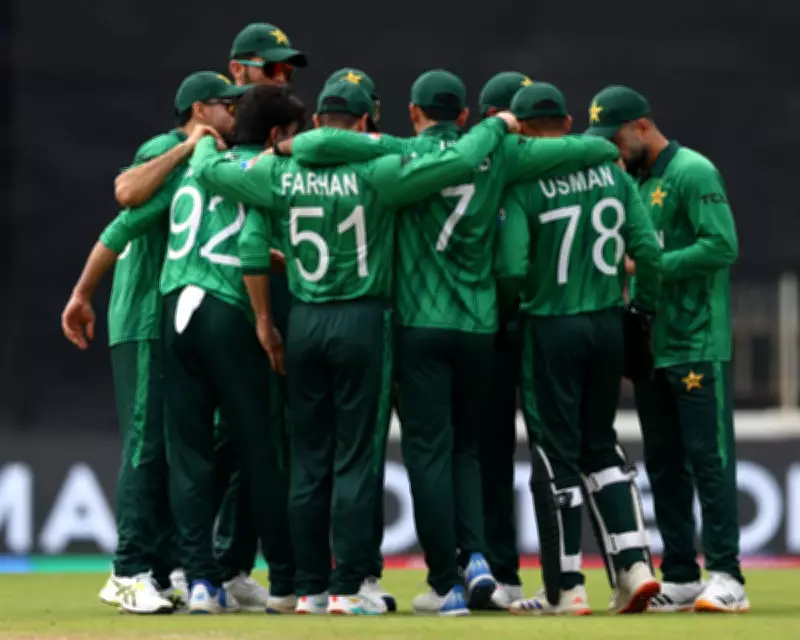
In a major development for international cricket, Pakistan has officially agreed to play against India in Sri Lanka for the upcoming T20 World Cup. This decision marks a significant step forward in cricketing diplomacy between the two nations, which have a long-standing and often tense rivalry on and off the field.
Diplomatic and Sporting Implications
The agreement to hold the match in Sri Lanka, a neutral venue, is seen as a crucial move to ensure the safety and smooth conduct of the game. Historically, matches between Pakistan and India have been highly charged events, drawing massive global audiences and intense media scrutiny. By selecting Sri Lanka as the host, authorities aim to mitigate potential security concerns and political tensions that could arise from hosting the match in either country.
Neutral Venue Selection
Sri Lanka was chosen as the neutral venue due to its established cricket infrastructure and experience in hosting high-profile international matches. The country has previously hosted major tournaments, including the ICC World Cup, and is well-equipped to manage the logistical and security demands of such a high-stakes encounter. This decision underscores the importance of neutral grounds in facilitating cricketing ties between nations with complex political relationships.

Impact on the T20 World Cup
This match is expected to be a highlight of the T20 World Cup, potentially drawing record viewership and boosting the tournament's profile. Cricket fans worldwide are eagerly anticipating the clash, which promises to be a thrilling contest between two of the sport's powerhouses. The inclusion of this fixture adds an extra layer of excitement and competitiveness to the event, enhancing its appeal to broadcasters and sponsors alike.
Historical Context and Future Prospects
The rivalry between Pakistan and India in cricket dates back decades, with memorable matches that have shaped the sport's history. This agreement could pave the way for more regular bilateral series between the two countries, fostering greater sporting exchanges and potentially easing diplomatic strains. It reflects a growing recognition of cricket's role in bridging divides and promoting international cooperation.
Overall, Pakistan's agreement to play India in Sri Lanka for the T20 World Cup is a positive development for cricket, highlighting the sport's ability to transcend political boundaries and bring people together. As preparations for the match get underway, all eyes will be on Sri Lanka to deliver a successful and memorable event.