The PPV Revolution: How One Fight Changed UK Sports Forever
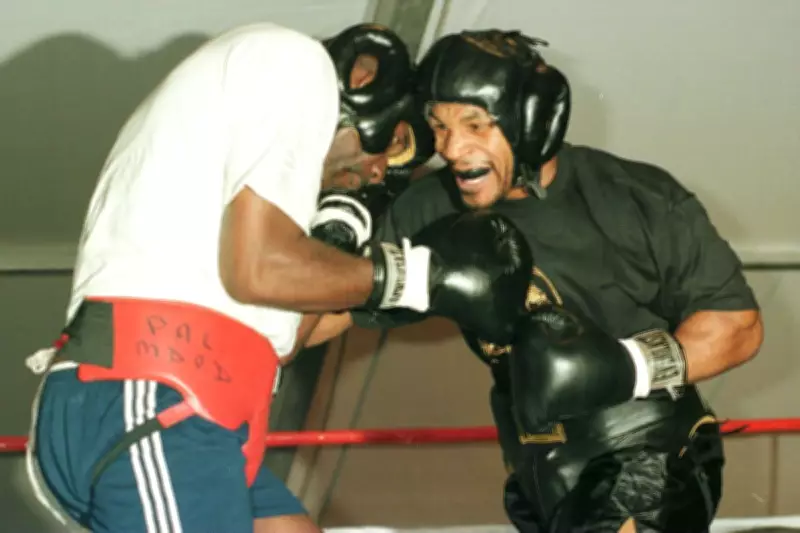
Thirty years ago this week, a landmark decision at Sky's headquarters in Osterley would permanently alter the sporting landscape across the United Kingdom. On March 16, 1996, the second heavyweight bout between Frank Bruno and Mike Tyson became the first domestic pay-per-view event broadcast on this side of the Atlantic, launching a broadcasting revolution that continues to shape how fans consume premium sports content.
The Historic Decision at Skyberia
In early 1996, a group of executives at Sky's Athena Court headquarters made the pivotal choice to experiment with pay-per-view broadcasting. The timing was perfect: Mike Tyson was resuming his boxing career after serving prison time for a 1991 rape conviction, while British fighter Frank Bruno had become a world champion. Their rematch offered the perfect narrative for this groundbreaking venture.
"Firstly, pay-per-view could only really start with this," explains Christopher Haynes, who was head of sport PR at Sky during this historic period. "You had Bruno, who was world champion, and Tyson on the comeback trail, a fight with a big narrative. But there was also a history of domestic pay-per-view internationally in boxing and through closed circuit primarily within the UK, so there was a history."
Overcoming Early Technical Challenges
The inaugural pay-per-view event faced significant logistical hurdles that seem primitive by today's standards. Call centers had to be prepared to handle thousands of purchase requests from viewers wanting to watch the fight—a far cry from the "one click and done" convenience modern consumers enjoy. The technical infrastructure required careful planning and execution to ensure the broadcast would reach paying audiences successfully.
Professor Rob Wilson, a sports business expert, emphasizes the cultural shift this event triggered: "The most striking thing is how quickly pay-per-view normalized the idea that premium sport carries a premium price. What looked like a one-off boxing spectacle effectively proved the commercial elasticity of live sport."
The Fight That Opened Pandora's Box
The actual bout, hosted on the Las Vegas Strip, featured a strong undercard including Ricardo Lopez Nava, Bernard Hopkins, and Michael Carbajal. Different territories had varying broadcast agreements, but the main event saw Tyson defeat Bruno in the third round—a relatively short contest that some viewers might have considered poor value for their pay-per-view investment.
Despite the fight's brief duration, its impact was anything but short-lived. The event was rebroadcast on pay-per-view the following day and eventually became available on free-to-air television much later, establishing multiple revenue streams for premium content.
The Lasting Legacy of UK's First PPV
"It paved the way for later trials of other sports including pay-per-view darts," adds Haynes, who continues to work as a sports consultant. "And more importantly to launch Sky Box Office, which is now Sky Store with movies, pay-per-view, fractional payments, different rental windows on movies, and the downloading of music. It is not just accepted, but a norm."
Professor Wilson describes the event as opening a broadcasting Pandora's Box: "It accelerated fragmentation and rising costs for fans. What began with occasional boxing events has evolved into a landscape where major fights, MMA cards, and even some football and entertainment properties sit behind additional paywalls on top of subscriptions."
Modern Challenges and Future Implications
The pay-per-view model created by that 1996 fight has generated both enormous revenue growth and significant challenges for the sports industry. Rights values have skyrocketed, athlete earnings have reached unprecedented levels, and event promotion has become increasingly sophisticated.
However, Professor Wilson warns of potential downsides: "The risk, and we're arguably seeing it now, is that the industry pushes the willingness-to-pay boundary too far, which drives piracy, casual disengagement, and a shrinking younger audience. The challenge for the next decade will be balance. How can rights holders preserve the premium value of marquee events while ensuring sport remains culturally accessible rather than becoming a luxury product for the most committed fans?"
One broadcaster even attempted to circumvent the pay-per-view system by employing actors to mimic the fight in real-time—a comical approach that somewhat foreshadowed today's watchalong culture popularized by YouTube influencers.
A Transformative Moment in Sports History
That single decision made thirty years ago in the industrial estate now known as Skyberia dramatically altered how sports are monetized in the United Kingdom. The narrative and drama of sporting events became directly marketable to consumers in ways previously unimaginable.
The domino effect continues today, with hundreds of pay-per-view boxing cards becoming commonplace and the model expanding to numerous other sports and entertainment properties. The consumer-driven sports economy born from that 1996 fight has fundamentally reshaped how broadcasters, promoters, and rights holders approach premium content, creating both unprecedented opportunities and complex challenges for the future of sports consumption.