Luke Littler Takes Proactive Step to Trademark His Face Against AI Threats
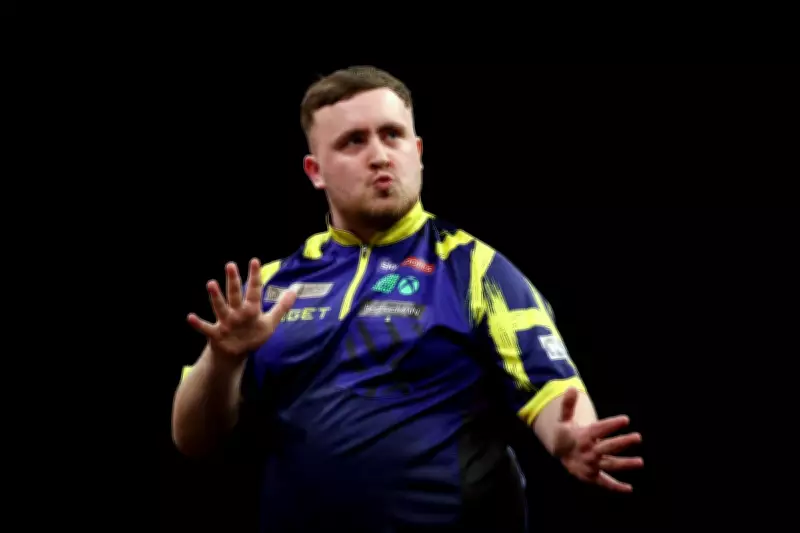
Darts superstar Luke Littler has submitted a formal application to the Intellectual Property Office seeking to trademark his own face, a strategic move driven by escalating concerns over AI deepfake technology. The teenage sensation from Warrington aims to prevent fraudulent endorsements and unauthorized commercial exploitation of his likeness.
Following Hollywood's Lead: McConaughey's Warning Heeded
Littler's decision mirrors actions taken earlier this year by Hollywood actor Matthew McConaughey, who publicly advocated for establishing clear ownership boundaries in the AI era. McConaughey emphasized the necessity of consent and attribution as fundamental norms, a warning Littler has now acted upon.
This application represents an expansion of Littler's intellectual property portfolio, which already includes trademarks for his name and "The Nuke" nickname secured in 2024. Legal and marketing experts are now debating the effectiveness of this unprecedented approach for high-profile athletes.
Expert Analysis: Smart Strategy with Limitations
Alex Newman, an intellectual property lawyer at Mills and Reeve who handled Chelsea footballer Cole Palmer's trademark applications, praised Littler's forward-thinking approach. "This demonstrates that Littler and his team are thinking expansively about controlling commercial use of distinctive personal brand assets," Newman stated. "He's following pioneers like Cole Palmer and Matthew McConaughey in combating emerging threats including deepfakes."
Sports marketing strategist Michael Porter of Porter Wills highlighted the commercial imperative behind Littler's move. "When brands sign athletes, they're purchasing exclusivity - the right to claim their product is uniquely associated with that face and name," Porter explained. "AI undermines this logic by enabling anyone to generate convincing fake endorsements, eroding the value of genuine partnerships."
Porter emphasized that Littler's £20 million endorsement deals with Target Darts, Xbox, and KP Nuts, along with his merchandise presence in major retailers, represent significant commercial assets requiring protection. "This isn't just personal branding; it's basic asset management," he added.
Legal Realities: No Silver Bullet Solution
Jonty Warner, an intellectual property lawyer at Warner IP, described Littler's application as "potentially a smart move" but cautioned against overestimating its power. "The UK lacks standalone image rights, leaving celebrities with limited tools to control unauthorized likeness use," Warner noted. "While trademark registration provides an enforcement route against counterfeit merchandise and AI deepfakes, it's definitely not a silver bullet."
Matthew Harris, an intellectual property specialist at Pinsent Masons, pointed out practical challenges. "Littler must demonstrate that his face functions as a distinctive commercial identifier," Harris said. "Given his relatively recent rise to prominence after the 2024 PDC World Darts Championship, this may prove challenging. Even if granted, protection applies only to registered goods and services categories."
Harris emphasized that facial trademarking works best as part of a comprehensive image-rights strategy, complementing but not replacing copyright, passing off, and privacy-based legal protections.
Broader Trend and Future Considerations
Littler and McConaughey join a growing list of celebrities pursuing facial trademarks, including television personality Jeremy Clarkson and Formula 1 champion Max Verstappen. For athletes who have traditionally trademarked names and slogans, extending protection to their most recognizable feature represents a logical evolution.
However, Warner raised a unique consideration for the 19-year-old darts prodigy: "As a practical point, I wonder whether Littler intends to file new applications as he matures and his appearance naturally changes over time."
Experts agree that while trademarking one's face represents an innovative response to AI threats, it requires careful timing, broad category coverage, and integration with other legal protections to effectively safeguard an athlete's commercial value in the digital age.