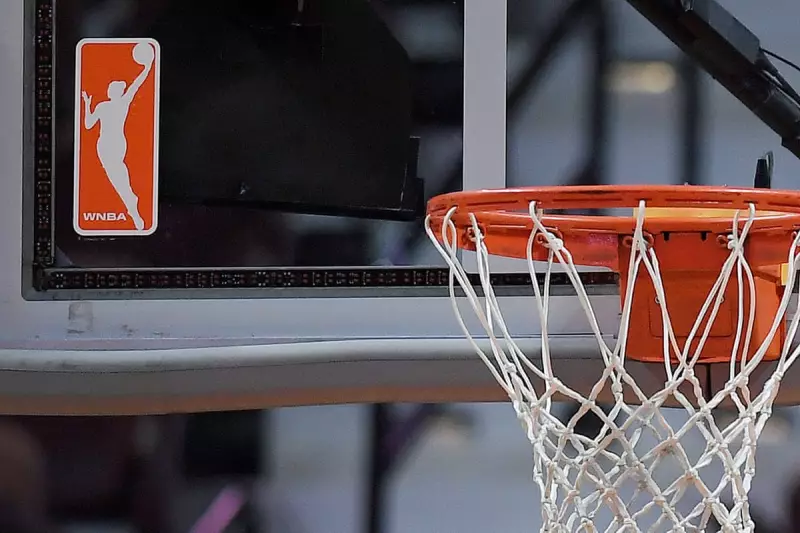
The Women's National Basketball Association (WNBA) and its players' union have failed to reach a new collective bargaining agreement (CBA) before a critical Friday night deadline, plunging the league's future labour relations into uncertainty.
Deadline Missed, Negotiations Continue
The deadline for a new deal passed at 11.59pm on Friday, marking the expiration of the second extension granted to the negotiating parties. Despite several meetings this week, the league and the Women's National Basketball Players Association (WNBPA) remain deeply divided on core financial issues. The current CBA will remain in force as talks continue, a period legally defined as "status-quo."
In a strongly worded statement, the players' union accused the WNBA and its team owners of failing to negotiate in good faith. "Despite demonstrating our willingness to compromise... the WNBA and its teams have failed to meet us at the table with the same spirit and seriousness," the union said. It further claimed the league was "committed to undervaluing player contributions" and "running out the clock."
Salary and Revenue: The Core Sticking Points
The central disputes blocking an agreement revolve around player compensation and how league revenue is shared. According to sources familiar with the negotiations who spoke to the Associated Press, the WNBA's most recent proposal offered a significant increase on current figures but fell short of union demands.
The league's proposal reportedly included:
- A maximum base salary rising to $1 million in 2026, potentially reaching $1.3 million with revenue sharing. This is a major jump from the current maximum of $249,000.
- An average salary exceeding $530,000 in 2026, up from $120,000.
- A minimum salary rising to approximately $250,000 from $67,000.
- Special provisions to pay rookie stars like Caitlin Clark, Angel Reese, and Paige Bueckers nearly double the league minimum while on their initial contracts.
However, the structure of revenue sharing is a major hurdle. The WNBA's offer would give players over 70% of net revenue, calculated after deducting expenses for items like charter flights and upgraded facilities. The union's counter-proposal seeks around 30% of gross revenue (before expenses) with a team salary cap of $10.5 million.
Immediate Consequences and Future Risks
The immediate fallout sees the league entering a peculiar phase. Under US labour law, teams can begin sending qualifying offers to free agents from Sunday. However, with the future salary cap unknown, no team is expected to act. The league had offered a moratorium on all free agency activity, but this was not agreed upon.
The longer-term risk is more severe. The WNBA acknowledged in its own statement the league's "unprecedented popularity and growth," pledging a deal that increases salaries and supports long-term growth. Yet, if a new CBA is not settled promptly, it could delay the start of the 2026 season. The last agreement, ratified in January 2020, shows that the process from handshake to implementation can take months.
The union's statement left little room for ambiguity, framing the dispute as a fundamental issue of equity: "Make no mistake. Pay equity is not optional and progress is long overdue." With both sides publicly entrenched, the path to a resolution that capitalises on the league's surging profile remains unclear.