
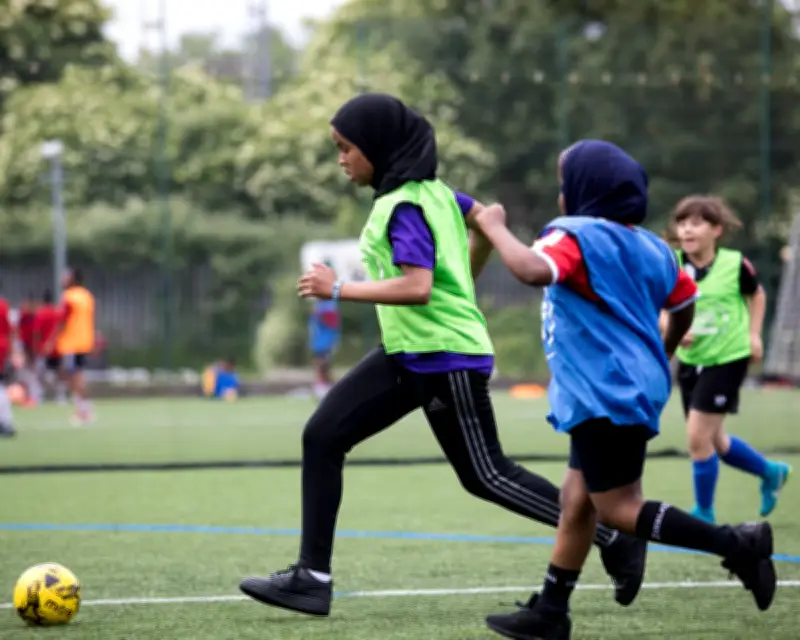
Teenage girls in urban areas miss out on 100 minutes of exercise each week compared with boys, according to new research from the consultancy Public First published on Wednesday. The gap falls to 75 minutes in rural communities, revealing a stark postcode lottery in sport access across the UK.
Analysis of all 650 parliamentary constituencies
Public First conducted detailed mapping of the sports participation gap between girls and boys across every UK parliamentary constituency. Nationally, girls aged 11-18 play an average of 84 minutes less sport each week than boys. However, the gap ranges from almost zero in Cumbria to more than two and a half hours every week in Birmingham Perry Barr.
Constituencies in the West Midlands and north-east have the widest average participation gaps, while those in the south-east, north-west and Scotland have the smallest. The analysis also found participation gaps are larger among girls from ethnic minority backgrounds.
Regional inequality and barriers
Public First concludes that the regional inequality reflects a combination of safety concerns, social barriers, greater reliance on organised sport and lower access to facilities. In areas with the lowest levels of sports provision, the participation gap is 46% wider than in places with the highest provision, reflecting girls’ greater reliance on clubs, teams and organised opportunities to be active.
The research was commissioned by the broadcaster Sky, which last year launched a campaign to make equal access to sport a legal requirement in publicly funded settings such as schools and sports clubs in receipt of government grants.
Economic benefits of closing the gap
Public First estimates that increasing teenage girls’ access to sport could unlock more than £640m annually through economic benefits: £570m through productivity gains and £73m in NHS savings.
Jonathan Licht, Sky’s chief sports officer in the UK and Ireland, said: “Every girl should have the opportunity to experience the confidence, friendships and sense of belonging that sport can bring. Yet too many girls are still missing out, and this research shows the barriers they face are not the same everywhere. Closing the gap means tackling inequalities in access and investment, starting in publicly funded settings where opportunity should be equal for every girl. Now is the moment to turn evidence into action and deliver lasting change for girls across the country.”
Government response and investment
The sports minister, Stephanie Peacock, said: “Every girl deserves the chance to experience the benefits that sport can offer, but too many are still missing out. That’s why the government is investing £400m to improve facilities across the country, with a focus on underrepresented groups including women and girls, and over £1bn to help schools deliver sport.”