London's Ambitious £1.5bn Plan to Replicate Vienna's Social Housing Success
City Hall has unveiled a major £1.5 billion intervention designed to revitalise London's stalled housing market, deploying ultra-low interest loans to emulate Vienna's internationally acclaimed social housing model. This government-backed initiative represents 60 per cent of a £2.5 billion national scheme, offering housing associations loans at a remarkably low interest rate of 0.1 per cent over 25 years to stimulate large-scale development.
Vienna's Affordable Housing Blueprint
The Austrian capital's approach is globally recognised for its financial stability and accessibility. Vienna operates through 182 Limited-Profit Housing Associations, which own approximately 40 per cent of the city's rental properties. These associations are required to offer accommodation at rents typically 25 per cent below market rates, ensuring affordability for lower and middle-income residents.
In 2023, analysis from Deloitte revealed that the average rent per square metre in Vienna was €10.50, while Londoners faced costs exceeding €30 per square metre, the highest in Europe. Vienna's system supports developers with subsidies and low-interest loans covering over a third of construction costs, alongside funding from a 0.5 per cent payroll tax shared by employees and employers, generating hundreds of millions annually.

Contrasting London's Housing Challenges
London's housing landscape presents stark contrasts, particularly following the economic turbulence after former Prime Minister Liz Truss's mini-budget, which saw interest rates surge. Even in 2026, developers typically face borrowing rates up to 12 per cent, a point frequently highlighted by Mayor Sadiq Khan and Deputy Mayor Tom Copley when discussing housing delivery challenges.
Deputy Mayor Tom Copley noted that the new low-interest loans "have echoes of Vienna’s renowned social housing funding model." The scheme aims to kickstart both market and affordable housing delivery while unlocking stalled development sites across the capital.
Political Reactions and Stakeholder Perspectives
Mayor Sadiq Khan emphasised the initiative's significance, stating: "We’re doing something that hasn’t been done in decades – providing low-interest loans to build the affordable homes Londoners desperately need. These low-interest loans will help make these homes a reality."
Zoë Garbett, Chair of the London Assembly Housing Committee, welcomed the investment but stressed the importance of meeting diverse needs: "We found that family homes and accessible homes for disabled Londoners are desperately needed, yet the most difficult to build."
James Small-Edwards AM, Labour's Planning spokesperson, highlighted the broader context: "The spiralling cost of construction materials, rising energy costs, and the damaging economic legacy left by the previous government have slowed housebuilding in London to a near standstill."
Criticism and Concerns
Lord Bailey, housing spokesman for the City Hall Conservatives, criticised the approach as taxpayer money covering flawed policies: "We are in this position because the Mayor’s housing policies have fallen woefully short of Londoner's needs. These loans are just a rescue package for developments which he has made unviable."
Hina Bokhari, leader of the Liberal Democrats group on the London Assembly, acknowledged the move but noted its tardiness: "The Lib Dems have been calling for City Hall to intervene and undertake housing development itself for a long time but the Mayor has been slow to get this off the ground."
Fundamental Differences and Future Prospects
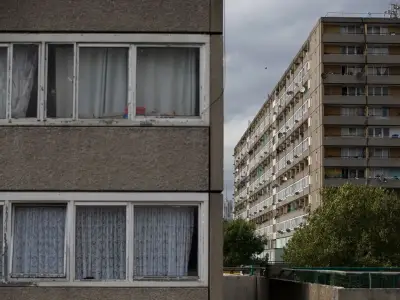
Despite the ambitious plans, London faces structural differences from Vienna, including the Right to Buy scheme that removes rental stock from the market. The current initiative primarily targets clearing council housing waiting lists rather than creating a rental market appealing across income levels, as Vienna has achieved.

Combined with upcoming rent convergence reforms allowing landlords to gradually increase rents with extra funds ringfenced for social housing investment, London appears determined to learn from Vienna's example. However, whether the capital can truly replicate Vienna's success, where most residents actively choose renting due to reasonable rates and stability, remains a significant challenge for policymakers and developers alike.