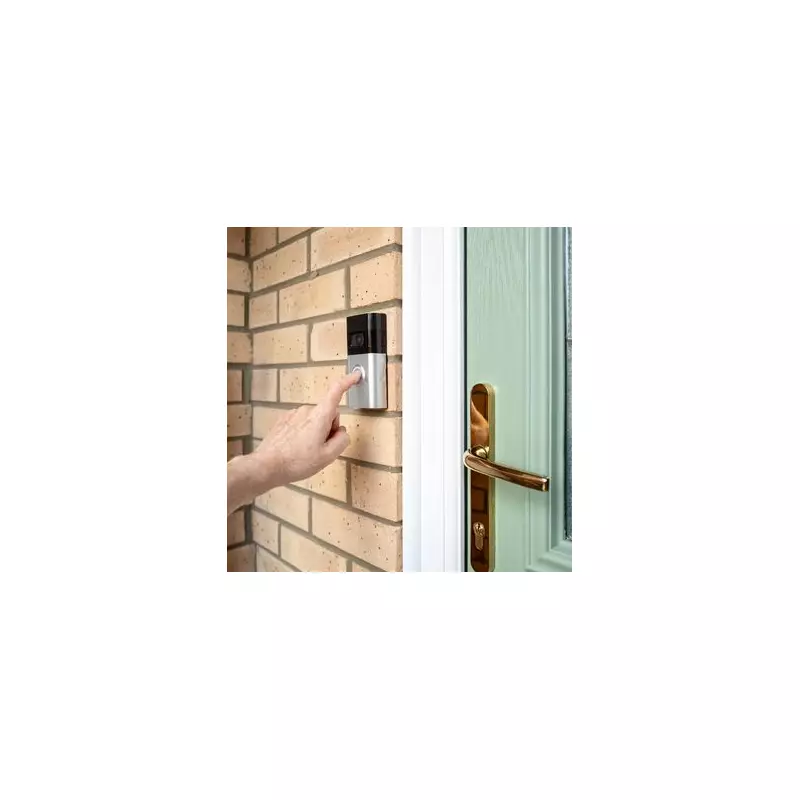
Households across the UK are being issued a stark legal warning over the use of domestic security cameras and smart doorbells. While these devices are popular for protecting property, many owners are unaware they must comply with stringent data protection and harassment laws, with breaches potentially leading to criminal prosecution.
MPs Highlight Legal Risks of Domestic Surveillance
The regulations governing domestic CCTV were recently scrutinised in Parliament. Conservative MP Suella Braverman raised concerns about whether the Home Office would review how cases of neighbour harassment involving intrusive surveillance are managed. In response, Labour MP Sara Jones outlined the precise legal requirements and the serious consequences of non-compliance.
She stated that where evidence exists, using a domestic camera system for harassment or stalking could result in prosecution under the Protection from Harassment Act 1997. Furthermore, anyone filming beyond their property boundary must fully adhere to the UK General Data Protection Regulation (GDPR) and the Data Protection Act 2018.

"The police have a range of powers to deal with any behaviour that causes harassment, alarm or distress to others," Jones added, confirming government support for police action to maintain public safety.
Understanding Your Legal Obligations
Guidance from the Information Commissioner's Office (ICO), cited in the parliamentary discussion, clarifies that rules apply to both fixed cameras and smart doorbells. The core principle is that cameras should be positioned, where possible, to capture only your own property.
If your system records images or sound beyond your boundary—such as a neighbour's garden, a public footpath, or a communal area—data protection law applies. This is because capturing people's images or voices constitutes processing their personal information.
In such cases, you are legally required to comply with several conditions:
- Having a clear, legitimate reason for using CCTV.
- Ensuring the system does not capture more footage than is necessary for your stated purpose.
- Informing people they are being recorded, typically by putting up a clear sign.
- Regularly and automatically deleting footage you no longer need.
- Providing copies of recordings to individuals if they request them (subject to certain conditions).
- Stopping recording a person if they object and you have no overriding reason to continue.
Potential Consequences: From Fines to Criminal Charges
The risks of ignoring these rules are significant. Beyond potential action by the ICO for data protection failures, individuals could face serious legal challenges. As MP Sara Jones pointed out, aside from harassment charges, CCTV operators might also be accused of private nuisance, a common law tort related to interference with an individual's use of their land.
Homeowners are strongly urged to familiarise themselves with the official guidance on the Gov.uk website and the ICO's resources to ensure their home security measures do not inadvertently breach the law. Proactively checking camera angles and reviewing data handling practices can help prevent disputes and legal action, keeping your home secure without infringing on the rights of others.