Silk Street Office Tower Plans Reduced Following Community Campaign
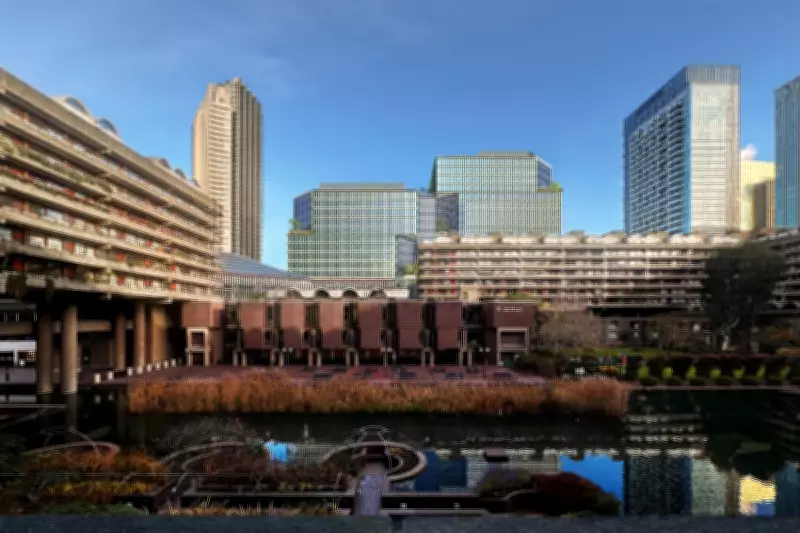
Developers have dramatically scaled back proposals for a substantial new office development in the heart of London's financial district after encountering fierce opposition from local residents and prominent architectural figures. The revised plans for the Silk Street site, adjacent to the iconic Barbican estate, now propose a building ten metres shorter than originally intended.
Height Reduction to Preserve Sunlight
The western section of the development will now add only three additional storeys to the existing structure, rather than the six originally planned. This significant reduction comes directly in response to concerns that the initial design would block vital sunlight from reaching nearby residential properties and a local primary school. The decision represents a notable victory for community campaigners who mobilized against what they perceived as an overbearing development.
Overwhelming Public Opposition
The development consortium, led by Lipton Rogers, reconsidered their approach after receiving more than 1,000 formal objections from concerned citizens. The proposals also faced criticism from celebrated architect Sir Antony Gormley, adding considerable weight to the opposition. Barbican residents expressed particularly strong views about the initial design, with one describing it as "simply horrific" and warning that it would "erode the cultural heritage of the Barbican."

Another resident raised concerns about the psychological impact, stating that the scale would trigger feelings of claustrophobia. "It will feel almost as if we are cowering in the new building's shadow, unable to see the sky," they explained, highlighting the human dimension often overlooked in large-scale development projects.
Design Improvements and Public Benefits
Alongside the height reduction, the revised plans include several design enhancements intended to address community concerns:
- A completely redesigned facade to improve "visual coherence" with the surrounding architecture
- A substantial 2,282 square metre public space at the main entrance to the Barbican Art Centre
- More than 300 metres of new retail frontage that will increase shopping options tenfold in the area
- A new pedestrian route connecting the Barbican with Liverpool Street and Moorgate stations
These improvements come at the cost of approximately five percent of the originally planned office floorspace, demonstrating the developers' willingness to compromise on commercial potential to achieve better community integration.
Developer Perspectives on Revised Plans
Gary Moore, head of international accounts at La Salle Investment Management (part of the development consortium), emphasized that the revised scheme demonstrates responsiveness to community feedback. "While the scheme has evolved in response to feedback, our ambition remains unchanged," he stated. "We aim to deliver a high-quality, future-focused commercial building that reinforces the City's position as a globally competitive financial district, while strengthening culture and the public experience in the Square Mile."
Sir Stuart Lipton, founding partner at Lipton Rogers, offered further insight into the redesign philosophy. "In listening carefully to feedback received, the revised scheme designed by SOM is more modest in scale, while more ambitious in public benefits," he explained. "It opens itself to the community, enriches the cultural fabric of the Square Mile, and delivers clear improvements for Silk Street and its surroundings."
Broader Planning Context
This development reconsideration occurs against a backdrop of increasing scrutiny of major projects in the City of London. Earlier this month, the City of London Corporation approved controversial redevelopment plans for Liverpool Street station despite significant opposition, suggesting a complex balancing act between development needs and community concerns. The Silk Street revisions may signal a growing recognition among developers that early community engagement and design flexibility can prevent prolonged planning disputes and create better long-term outcomes for all stakeholders.