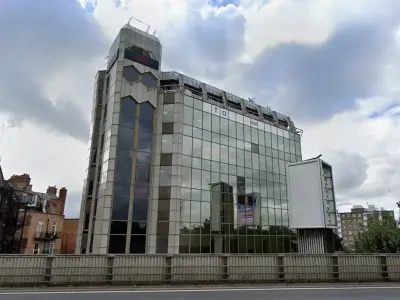
Major Law Firms Depart Canary Wharf in London Office Shake-Up
Two prominent international law firms, Herbert Smith Freehills (HSF) and Kramer Levin, have announced plans to vacate their offices in Canary Wharf, a significant development in London's evolving commercial property market. This move underscores broader trends affecting the capital's business districts, as companies reassess their real estate needs in a post-pandemic environment.
Details of the Office Exits
Herbert Smith Freehills, a leading global law firm with a strong presence in London, is leaving its premises in the Canary Wharf area. Similarly, Kramer Levin, an American firm with offices in the city, is also exiting its space in this financial hub. The departures come as both firms evaluate their operational requirements and strategic positioning within London's competitive legal sector.
Canary Wharf, once a symbol of London's booming financial and professional services industry, has faced challenges in recent years. The area has seen fluctuating demand for office space, driven by factors such as remote working trends and economic uncertainties. These exits by HSF and Kramer Levin highlight the ongoing adjustments in corporate real estate strategies across the capital.

Implications for London's Property Market
The vacating of office space by these law firms could have ripple effects on Canary Wharf's property landscape. It may lead to increased availability of premium office units, potentially influencing rental prices and occupancy rates in the area. This development is part of a larger narrative in London, where businesses are increasingly prioritising flexible working arrangements and cost-effective solutions.
Industry analysts suggest that such moves reflect a shift towards more agile office models, with firms seeking to optimise their footprint in response to changing work patterns. The departure of established tenants like HSF and Kramer Levin might prompt other companies to reconsider their own real estate commitments in Canary Wharf and beyond.
Broader Context and Future Outlook
This news aligns with wider trends in London's commercial property sector, where traditional business districts are adapting to new demands. Canary Wharf, in particular, has been diversifying its offerings to attract a broader range of tenants beyond finance and law. However, the exit of key legal players raises questions about the area's appeal to professional services firms in the long term.
As Herbert Smith Freehills and Kramer Levin transition out of Canary Wharf, their next steps will be closely watched by market observers. Whether they relocate to other parts of London or reduce their physical presence altogether, their decisions will contribute to the ongoing transformation of the city's office market. This development serves as a reminder of the dynamic nature of London's property and business environments.